
Fri Apr 03 03:58:24 UTC 2026: ### Headline: Nepal Court Extends Detention of Former Prime Minister Oli Amid Probe into Deadly Protest Crackdown
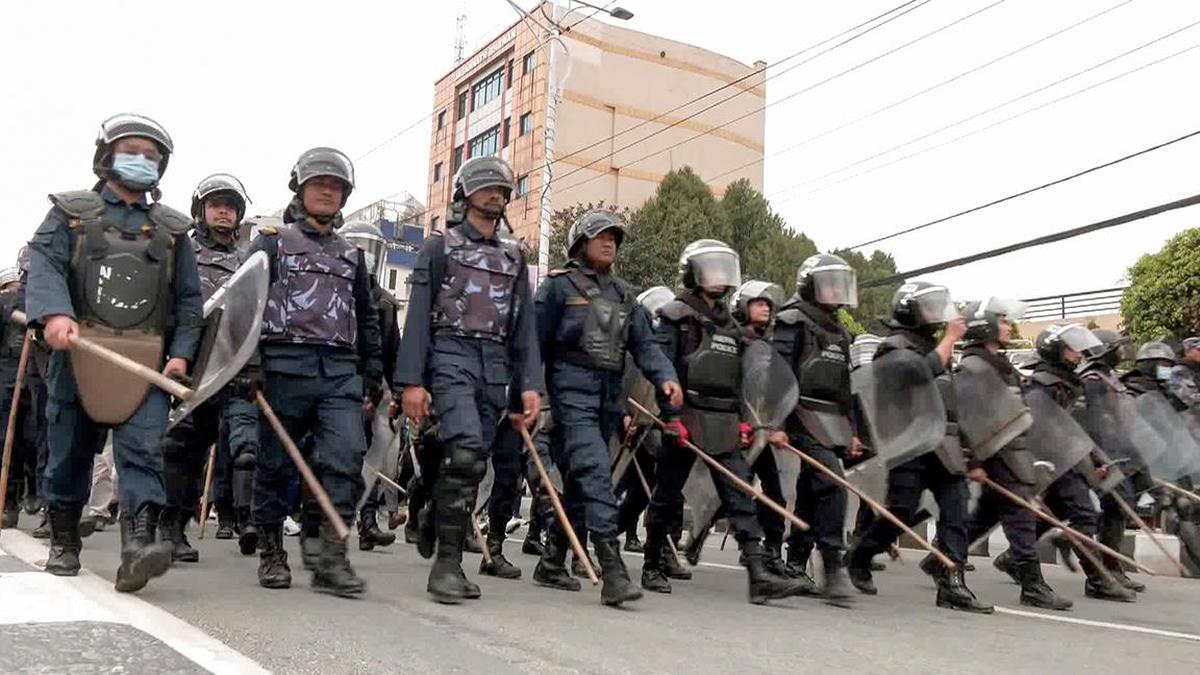
The Story: A Nepal court has extended the detention of former Prime Minister K.P. Sharma Oli, 74, and his ex-Home Minister for two more days. This extension allows investigators more time to probe their alleged roles in a deadly crackdown on protests in 2025 that resulted in at least 76 deaths. The arrests occurred after the swearing-in of Prime Minister Balendra Shah, following elections that ousted Oli’s government. Both Oli and Lekhak deny responsibility for the violence, and Oli’s party is protesting the arrests.
Key Points:
- A Nepal court extended the detention of former Prime Minister K.P. Sharma Oli and ex-Home Minister Ramesh Lekhak on April 2, 2026.
- The extension is related to an investigation into their alleged involvement in a crackdown on protests in 2025 that resulted in 76 deaths.
- Oli and Lekhak were arrested on March 28, 2026, a day after Prime Minister Balendra Shah was sworn in.
- Neither man has been formally charged, and both deny responsibility.
- Oli is currently hospitalized for medical checks.
- The Supreme Court ordered the government to explain Oli’s arrest after his wife filed a petition claiming it was unlawful.
- An inquiry commission recommended prosecuting Oli and other officials.
- Oli’s CPN-UML party has called the arrests a “vengeful act” and called for protests.
- The protests in early September 2025 were sparked by a social media ban and underlying economic grievances.
- Balendra Shah, a rapper-turned-politician, defeated Oli in his constituency on a platform of youth-driven political change.
Key Takeaways:
- The arrest and continued detention of former Prime Minister Oli highlight a potential shift in Nepal’s political landscape, with accountability for past actions now being pursued.
- The investigation into the 2025 protest crackdown underscores the severity of the violence and the public demand for justice.
- The rise of Prime Minister Balendra Shah and his party signals a desire for change and a move away from traditional political figures.
- The arrests are politically charged, with Oli’s party alleging a “vengeful act,” indicating potential for further political instability.
- The underlying causes of the 2025 protests, including economic hardship, remain relevant and could fuel future unrest if not addressed.
Impact Analysis:
The arrest and investigation of former Prime Minister Oli could have significant long-term implications for Nepal’s political system.
- Erosion of Impunity: The investigation could set a precedent for holding high-ranking officials accountable for their actions, potentially deterring future abuses of power.
- Political Polarization: The CPN-UML’s reaction suggests that the arrests will further polarize Nepali politics, potentially leading to more instability and protests.
- Strengthening of Democratic Institutions: The Supreme Court’s intervention and the inquiry commission’s report demonstrate a commitment to due process and accountability, potentially strengthening Nepal’s democratic institutions.
- Influence on Future Elections: The outcome of the investigation and any subsequent trials could influence future elections, potentially impacting the balance of power between different political parties.
- International Perception: The handling of this case will likely be closely watched by
 First Piper