
Fri Apr 03 09:40:44 UTC 2026: ### Headline: Madras High Court Initiates Contempt Proceedings Against YouTuber Felix Gerald for Interview with ‘Savukku’ Shankar
The Story:
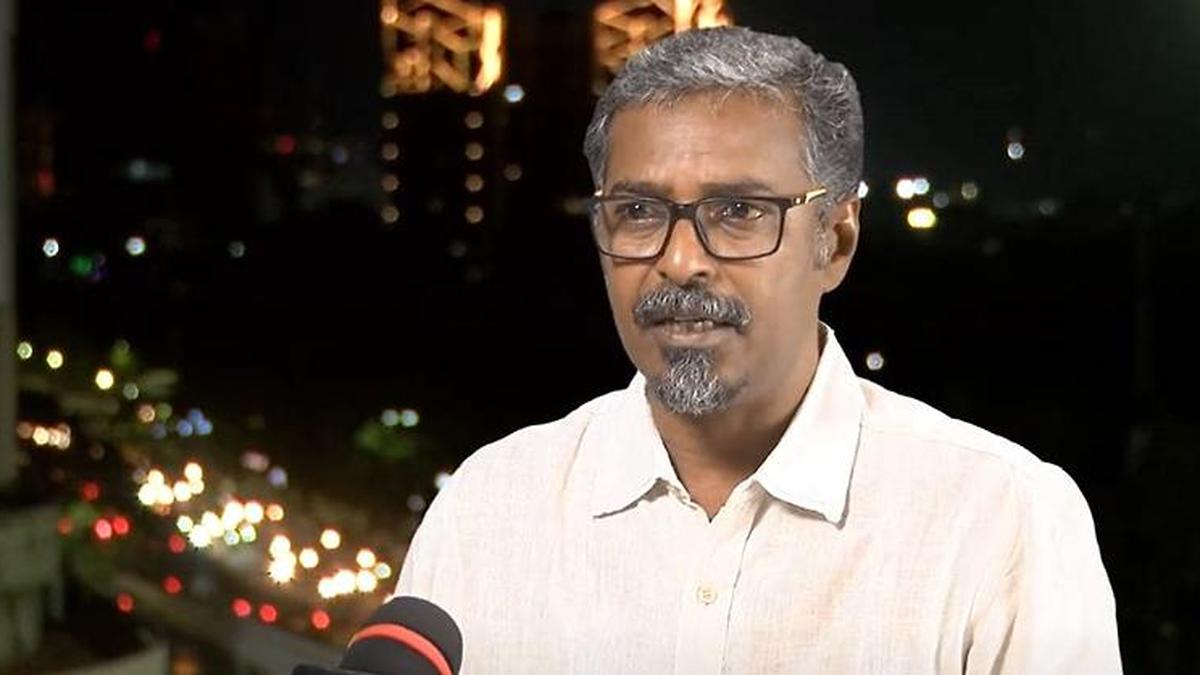
The Madras High Court has initiated suo motu contempt of court proceedings against Felix Gerald, a YouTuber and member of the Tamilaga Vettri Kazhagam (TVK), for an interview he conducted with fellow YouTuber ‘Savukku’ Shankar alias A. Shankar. The proceedings stem from a civil suit filed in 2022 by G-Square Realtors Private Limited against Mr. Shankar for alleged defamatory statements. Justice K. Kumaresh Babu ordered the issuance of a court notice to Mr. Gerald, requiring him to explain why he should not be held in contempt. The court’s action is based on the content of the interview, where Shankar appeared to circumvent a previous court order regarding public statements against G-Square Realtors.
Key Points:
- The Madras High Court initiated suo motu contempt proceedings against Felix Gerald on April 3, 2026.
- The case originates from a 2022 civil suit filed by G-Square Realtors against ‘Savukku’ Shankar for defamation.
- A prior interim injunction, granted on September 8, 2022, restricted Shankar from making defamatory statements against G-Square.
- Justice Babu modified the injunction in 2023, requiring Shankar to notify G-Square 72 hours before making public statements.
- The court found that Shankar’s interpretation of the order during the interview, along with Gerald’s commentary, constituted contempt.
- Gerald has until April 24, 2026, to submit his explanation to the court.
Critical Analysis:
The Madras High Court appears to be actively safeguarding its orders and ensuring compliance, particularly regarding defamation cases with significant financial implications. The court’s willingness to initiate suo motu proceedings underscores its commitment to upholding the integrity of its directives and preventing circumvention through media platforms. The inclusion of Felix Gerald in the contempt proceedings highlights the court’s concern about not only the originator of the alleged defamatory statements but also those who facilitate their dissemination. The historical context provided shows a pattern of the Madras High Court actively involved in contempt actions and other significant cases, reinforcing its role as a key legal institution in Tamil Nadu.
Key Takeaways:
- The judiciary is actively monitoring and responding to perceived violations of its orders in the digital space.
- The case highlights the potential legal ramifications for interviewers and hosts who provide a platform for individuals to make potentially defamatory statements.
- The Madras High Court is demonstrating a zero-tolerance approach towards attempts to circumvent court orders.
- The case underscores the importance of understanding and adhering to court directives, especially those related to freedom of speech and defamation.
- Digital media personalities need to be aware of the legal implications of the content they host and disseminate.
Impact Analysis:
This case could set a precedent for how courts address contempt of court in the age of digital media and online interviews. It may lead to stricter scrutiny of online content and potentially greater caution on the part of YouTubers and other content creators when discussing sensitive legal matters. The outcome of this case could significantly impact the boundaries of free speech and the responsibilities of online media platforms in India. The long-term effect could be a more cautious approach to online commentary and a greater awareness of the legal consequences of disseminating potentially defamatory information.
 First Piper