
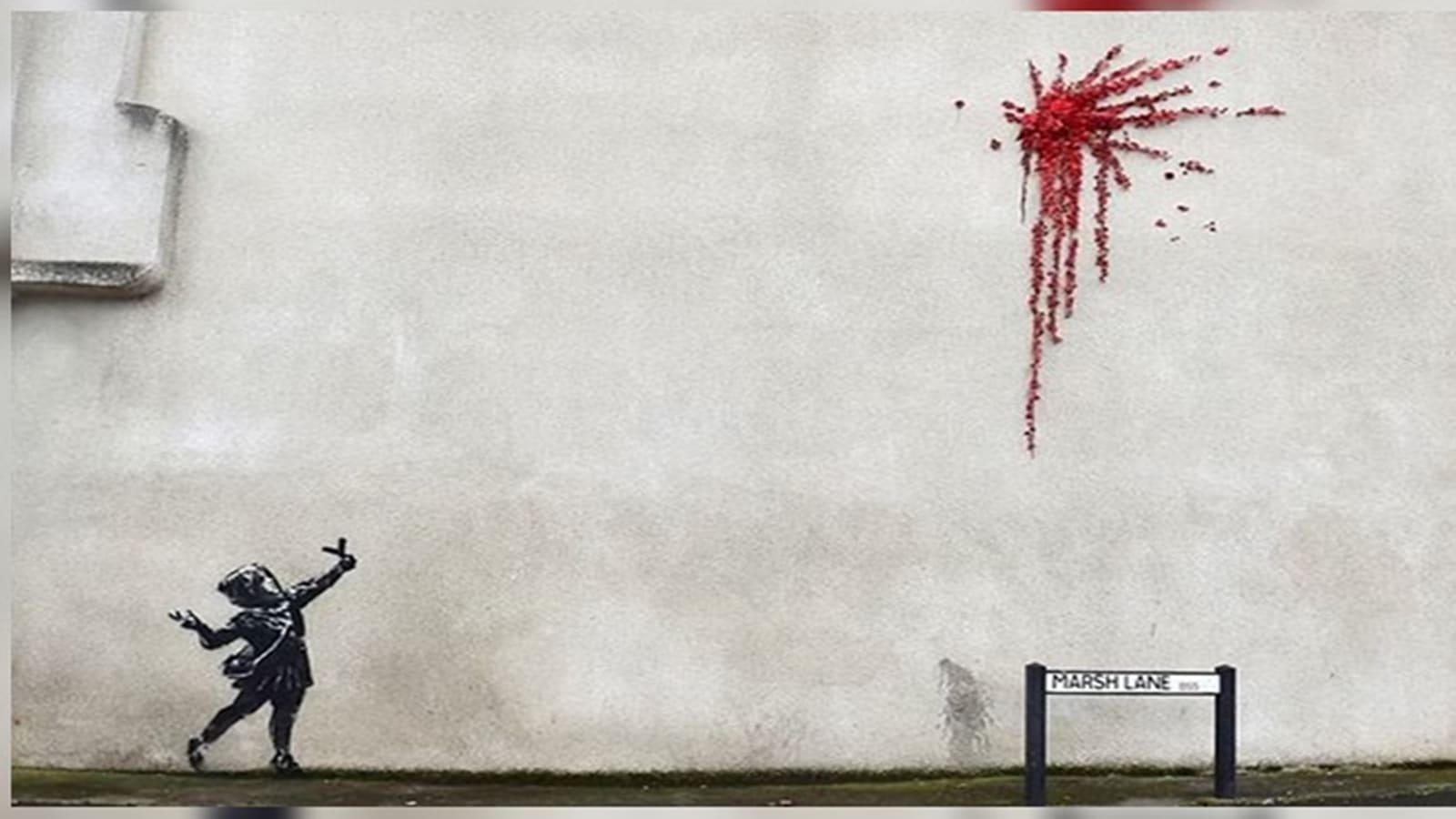
Fri Apr 03 00:49:01 UTC 2026: ### Banksy’s Identity Revelation Sparks Debate on Art’s Value
The Story:
The recent revelation of Banksy’s identity has reignited a long-standing debate within the art world: Is the value of art determined by the artwork itself or by the artist’s name? The article explores the tension between anonymity, a key element of Banksy’s mystique, and the art market’s reliance on authorship to establish value. It questions whether aesthetic judgment is genuinely pure or influenced by the artist’s brand and market perception.
Key Points:
- The price of artwork is often determined by authorship, which is a shorthand for quality, relevance, and financial security, even more than intrinsic factors.
- The art market is increasingly mirroring luxury branding, where emphasis shifts from the object’s material and craftsmanship to the brand’s aura.
- This shift towards branding can devalue the art itself, privileging market perception over substance and potentially widening the gap between the creator and the economic value of their work.
- Banksy’s use of anonymity is linked to the anti-state and often illegal nature of graffiti art.
- The article suggests that the art market should temper excess by setting resale rights or defining ownership to prevent buyers from flipping works for profit.
Key Takeaways:
- The art market is increasingly driven by brand and authorship, potentially overshadowing the intrinsic value of the artwork itself.
- Anonymity, while offering artists protection and creative freedom, clashes with the market’s need for identifiable names.
- The article calls for a re-evaluation of how art is valued, urging a return to focusing on the work itself rather than the artist’s brand.
- The art market’s structure often exacerbates inequalities, distancing creators from the economic benefits of their work.
- The Banksy case presents an opportunity to redefine ownership and resale rights to ensure artists are fairly compensated and to preserve art as more than a mere commodity.
 First Piper