
Fri Apr 03 04:50:00 UTC 2026: ### Hegseth Purges Top Military Brass, Installs Loyalist as Acting Army Chief
The Story:
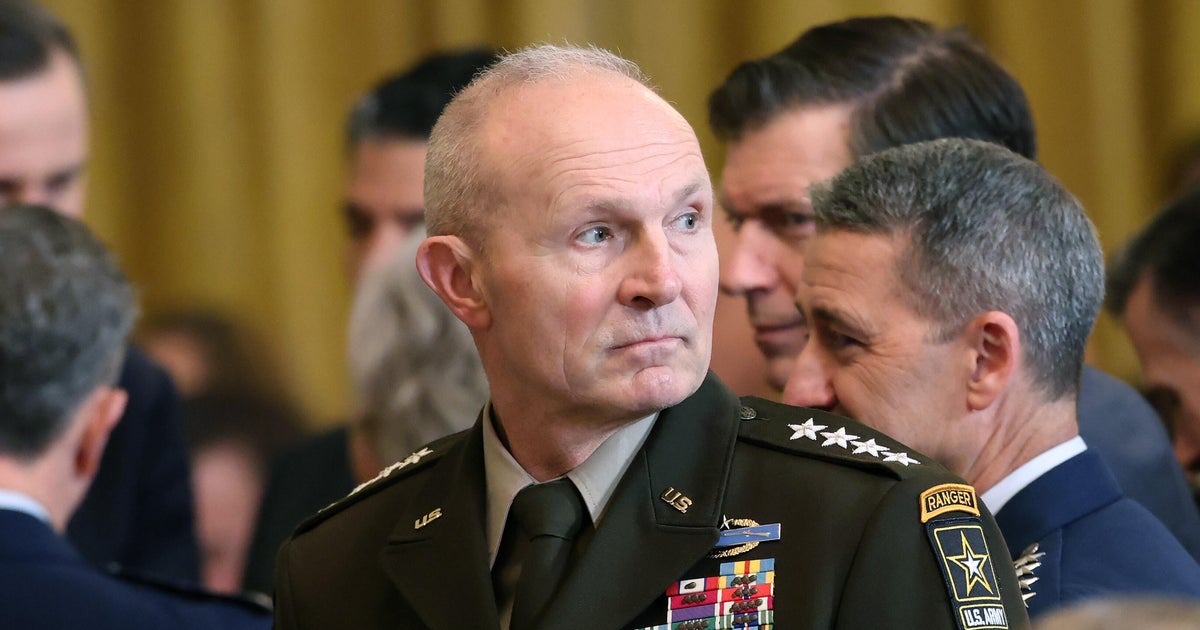
Defense Secretary Pete Hegseth has requested the immediate retirement of Army Chief of Staff Gen. Randy George, a move signaling a significant shift in military leadership under the Trump administration. According to sources, Hegseth seeks to install individuals aligned with the administration’s vision for the Army. The announcement coincides with the removal of two other Army officers: Gen. David Hodne, head of the Army’s Transformation and Training Command, and Maj. Gen. William Green, Chief of the Army’s Chaplain Corps. Gen. Christopher LaNeve, formerly Hegseth’s military aide, will serve as acting Army Chief of Staff.
Key Points:
- Defense Secretary Pete Hegseth asked Army Chief of Staff Gen. Randy George to retire immediately.
- Gen. George was nominated by President Joe Biden and confirmed in 2023, with a term typically lasting until 2027.
- Gen. David Hodne and Maj. Gen. William Green have also been removed from their roles.
- Gen. Christopher LaNeve, Hegseth’s former military aide, is appointed as acting Army Chief of Staff.
- Hegseth overruled the Army’s disciplinary action against aircrew that flew by Kid Rock’s house, publicly stating “No punishment. No investigation. Carry on, patriots.”
- Hegseth has reportedly fired more than a dozen senior military officers including Chairman of the Joint Chiefs of Staff Gen. C.Q. Brown, Chief of Naval Operations Adm. Lisa Franchetti, the Air Force Vice Chief of Staff Gen. James Slife and the head of the Defense Intelligence Agency Lt. Gen. Jeffrey Kruse.
Critical Analysis:
The rapid replacement of high-ranking military officials by Defense Secretary Hegseth suggests a systematic effort to consolidate political control over the armed forces. The appointment of Hegseth’s former aide, Gen. Christopher LaNeve, as acting Army Chief of Staff underscores this consolidation, indicating a preference for loyalty over experience or established tenure. Hegseth’s public intervention in the aircrew incident further highlights a willingness to disregard established military procedures and exert direct political influence. The related historical context further supports this analysis as Hegseth has also permitted troops to carry personal firearms on military bases.
Key Takeaways:
- The Trump administration, through Secretary Hegseth, is actively reshaping the military leadership to align with its political agenda.
- The removal of Gen. Randy George, despite his relatively recent appointment and extensive service, demonstrates a lack of respect for traditional military norms and established chains of command.
- The appointment of a loyalist as acting Army Chief of Staff raises concerns about the politicization of the military.
- Hegseth’s actions risk undermining the military’s apolitical stance and potentially damaging morale among service members.
- The related historical context combined with these events suggest a radical shift in military leadership and operations.
Impact Analysis:
The long-term impact of these actions could be significant. The erosion of military independence and the installation of politically aligned leaders may compromise the military’s ability to provide unbiased advice and execute its mission effectively. This could lead to strategic miscalculations, decreased operational effectiveness, and a decline in public trust in the armed forces. Furthermore, the replacement of experienced leaders with loyalists could create a climate of fear and discourage dissenting opinions, hindering innovation and adaptability within the military.
 First Piper