
Fri Apr 03 01:54:38 UTC 2026: # Army Chief Forced Out as US Engages in War with Iran
The Story:
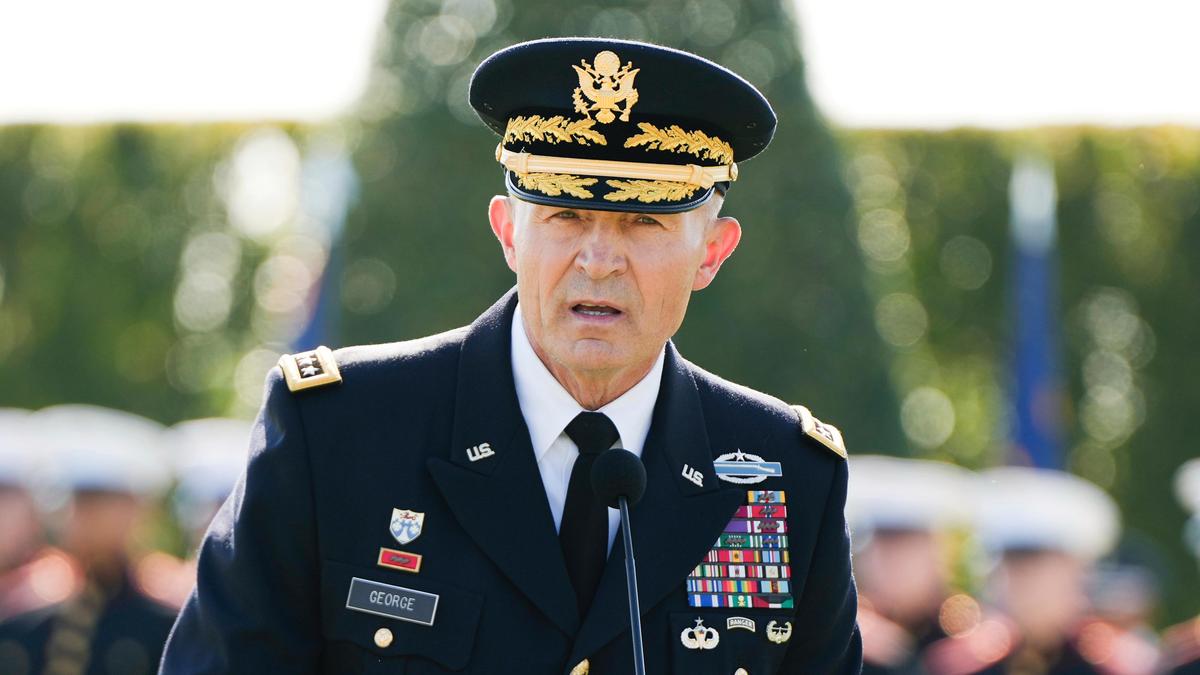
Gen. Randy George, the 41st Chief of Staff of the Army, was asked to step down by Defense Secretary Pete Hegseth, effective immediately, on April 2, 2026, amidst ongoing U.S.-Israeli attacks on Iran. The Pentagon offered no official reason for the departure, which comes nearly five weeks into the conflict. This ouster is the latest in a series of firings of top military leaders by Hegseth since he took office last year under the Trump administration.
Key Points:
* Gen. Randy George was asked to retire from his position as Chief of Staff of the Army by Defense Secretary Pete Hegseth.
* The Pentagon has not provided a reason for George’s departure.
* The firing occurred approximately five weeks into U.S.-Israeli attacks on Iran.
* This is one of more than a dozen firings of top generals and admirals by Hegseth since taking office.
* Lt. Gen. Christopher LaNeve, Hegseth’s top military aide, will be stepping in as acting Army chief of staff.
* Army paratroopers from the 82nd Airborne division are heading to West Asia.
Critical Analysis:
The rapid succession of firings of top military leaders by Defense Secretary Hegseth, combined with the appointment of his own aide, Lt. Gen. LaNeve, as acting Army chief of staff, suggests a deliberate effort to consolidate control within the military leadership during wartime. This shakeup, coupled with the deployment of ground troops to West Asia, indicates a potentially escalating conflict with Iran and a shift towards a more aggressive military strategy under the Trump administration and Hegseth’s direction.
Key Takeaways:
* The removal of Gen. George signals potential internal disagreements or conflicts in strategy within the military leadership regarding the war with Iran.
* The appointment of Lt. Gen. LaNeve as acting Army chief of staff suggests a move to place loyalists in key positions.
* The lack of transparency from the Pentagon regarding the reasons for these firings raises concerns about the stability and direction of U.S. military policy.
* The timing of the ouster, amidst ongoing military action, adds to the sense of urgency and instability.
* The deployment of ground troops suggests a potential escalation of the conflict with Iran.
Impact Analysis:
The forced resignation of the Army Chief of Staff during an active military conflict could have significant implications for the morale and effectiveness of the U.S. military. The lack of a clear explanation for the firings, combined with the apparent consolidation of power by the Defense Secretary, could create uncertainty and distrust within the ranks. Furthermore, the appointment of an acting chief of staff with relatively limited experience could impact strategic decision-making and operational efficiency in the short term. In the long term, these events could lead to a reassessment of civilian-military relations and the role of political appointees in military leadership. The war with Iran and the internal shakeups could also impact U.S. foreign policy and alliances in the region.
 First Piper