
Fri Apr 03 00:32:21 UTC 2026: ### Ibrahim Mahama’s “Parliament of Ghosts” Installation Highlights Postcolonial Memory at Kochi-Muziris Biennale
The Story:
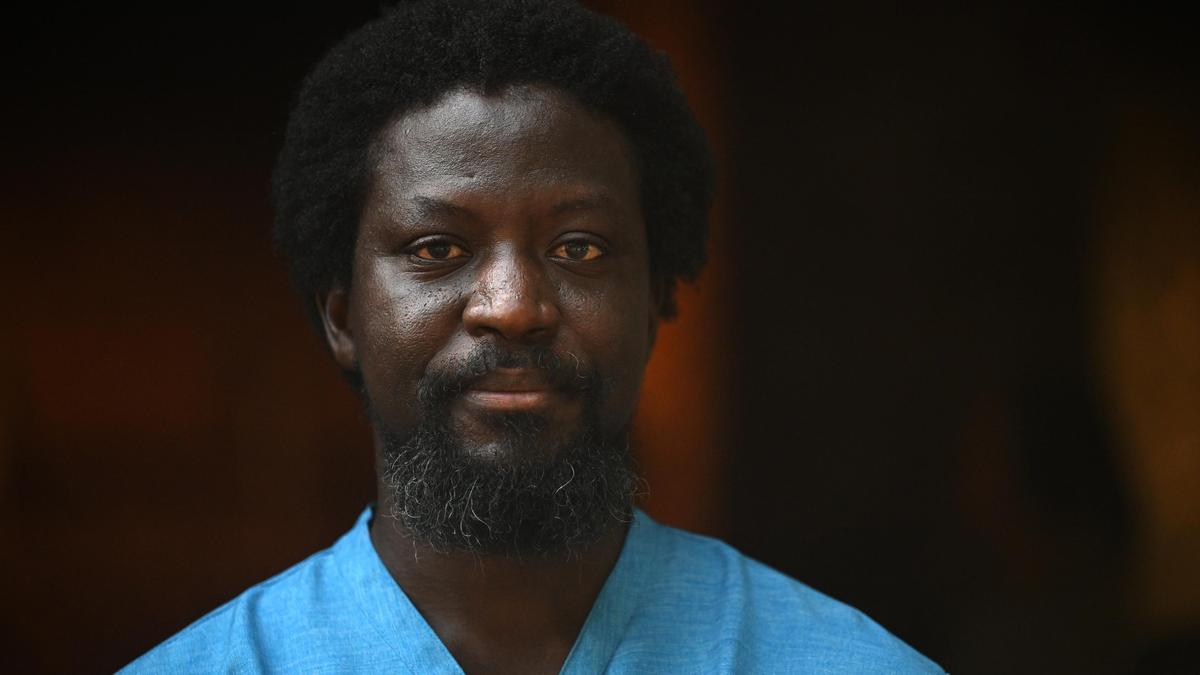
Ghanaian artist Ibrahim Mahama, recently named the top artist in ArtReview’s Power 100 list for 2025, showcased his impactful “Parliament of Ghosts” installation at the recently concluded Kochi-Muziris Biennale (KMB) in Kochi, India. The installation repurposes materials from colonial and postcolonial infrastructure to reflect on unrealized futures of Ghanaian independence. Mahama’s work, previously seen at the 2023 Venice Biennale, uses jute bags, train seats, and other fragments to create a space for dialogue and reflection on history, labor, and the persistence of unrealized possibilities. Mahama is also set to present new work at the upcoming 61st Venice Biennale, including a video piece with blaxTARLINES KUMASI and a solo show, “A Shea Garden.”
Key Points:
- Ibrahim Mahama’s “Parliament of Ghosts” installation was a central feature of the Kochi-Muziris Biennale (KMB).
- The installation uses repurposed materials like jute bags and train seats to explore themes of colonial history and unrealized potential in Ghana.
- Mahama topped ArtReview’s Power 100 list in 2025, marking the first time an African artist has held the top spot.
- He directs profits from his shows to establish art institutions in Tamale, Ghana, including the Red Clay Studio and the Savannah Centre for Contemporary Art (SCCA).
- Mahama will present a video work with blaxTARLINES KUMASI and a solo show, “A Shea Garden,” at the 61st Venice Biennale.
- Mahama emphasizes that the materials used in his installations are not mere representations but carry specific historical traces and are activated through use and presence.
- He acknowledges the contradictions of being celebrated by the Euro-American art world while remaining committed to decolonial and socialist imaginaries.
Key Takeaways:
- Ibrahim Mahama’s work effectively uses art as a medium to explore and critique the lasting impacts of colonialism and postcolonialism.
- His focus on building art institutions in Ghana highlights his commitment to redistributing power and resources within the art world.
- The “Parliament of Ghosts” installation serves as a powerful reminder of the unrealized potential and interrupted progress in post-independence Ghana.
- Mahama’s success and recognition in the international art scene present both opportunities and challenges for artists engaged in decolonial work.
- The artist’s engagement with historical materials and site-specific installations prompts reflection on the intersection of memory, labor, and power.
 First Piper