
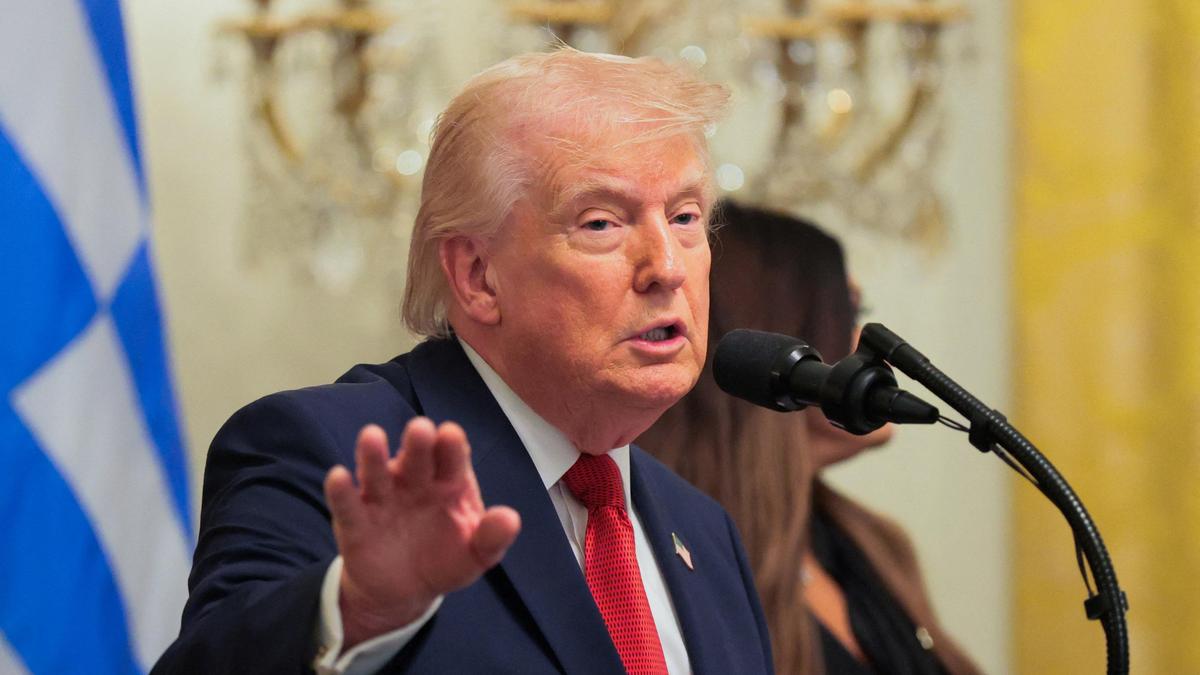
Fri Apr 03 03:44:32 UTC 2026: Headline: Trump Threatens Further Infrastructure Destruction in Iran, Raising War Crimes Concerns
The Story:
On April 2, 2026, U.S. President Donald Trump escalated his rhetoric against Iran, threatening to target bridges and electric power plants. This followed a televised speech on April 1, 2026, where he suggested strikes on Iran’s energy and oil infrastructure were possible if Iran did not concede to Washington’s demands. The threats come amidst an ongoing war that began on February 28, 2026, with joint U.S.-Israeli strikes in Iran and retaliatory attacks by Tehran. These actions have been met with growing concern, as international law experts warn that U.S. strikes could constitute war crimes under the 1949 Geneva Conventions.
Key Points:
- Donald Trump threatened to destroy bridges and electric power plants in Iran via social media on April 2, 2026.
- In a speech on April 1, 2026, Trump indicated potential strikes on Iran’s energy and oil infrastructure.
- International law experts warned that U.S. strikes on civilian infrastructure could be war crimes under the Geneva Conventions.
- The war between the U.S., Israel, and Iran began on February 28, 2026, causing significant casualties and displacement.
- Trump stated the U.S. would hit Iran “extremely hard” over the next two to three weeks, aiming to bring them “back to the Stone Ages.”
Critical Analysis:
The timing of Trump’s threats, coupled with the historical context, suggests a strategy of maximum pressure. The mention of “Liberation Day” in relation to tariffs on patented drugs hints at a potential nationalist appeal, while the internal controversies (“The Beast,” Pam Bondi, Epstein Files, John Roberts, Birthright Citizenship Case) suggest a need to divert attention from domestic issues. The threat to Iran serves as a powerful distraction, potentially rallying support behind the President during a period of internal turmoil. The news regarding allies working on a “Plan B” for the Strait of Hormuz indicates international unease with Trump’s aggressive stance and a lack of confidence in his long-term strategy.
Key Takeaways:
- The U.S.-Iran conflict is escalating, with potential war crimes being committed.
- Trump’s rhetoric is becoming increasingly aggressive, signaling a potential for further escalation.
- International law experts are raising serious concerns about the legality of U.S. actions.
- The conflict is destabilizing global markets and raising oil prices.
- The situation necessitates careful monitoring and diplomatic intervention to prevent further escalation and humanitarian crisis.
Impact Analysis:
The long-term implications of these events are significant. The potential for war crimes charges against U.S. officials could damage the country’s international standing and lead to legal challenges. The destruction of Iranian infrastructure would have devastating consequences for the Iranian people and could further destabilize the region. The rising oil prices and global market instability could lead to a global recession. The erosion of international norms regarding the conduct of war sets a dangerous precedent for future conflicts. The breakdown of diplomatic relations increases the risk of miscalculation and unintended escalation, potentially leading to a wider regional or even global conflict.
 First Piper