
Fri Apr 03 04:28:20 UTC 2026: ### Iran Nears Nuclear Threshold Amidst Ongoing Conflict with Israel
The Story:
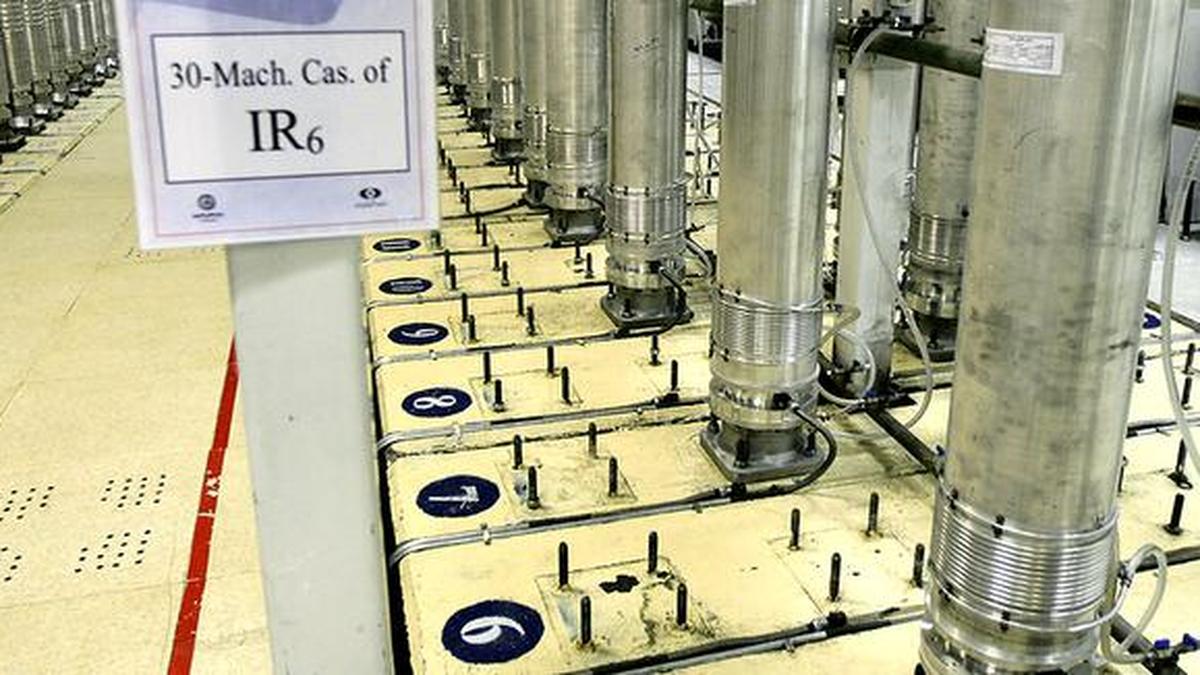
A report published by The Hindu on April 3, 2026, analyzes Iran’s progress towards nuclear weaponization amidst the ongoing Iran-Israel war. The report highlights Iran’s existing uranium enrichment capabilities, estimating that Iran possesses around 500 kg of uranium enriched to 60%. Experts suggest that with this level of enrichment, Iran is approximately 85% of the way towards producing weapons-grade material. The analysis explores the time and resources required for Iran to produce a nuclear weapon, considering various factors such as centrifuge capabilities, metallization processes, weaponization technologies, and potential delivery methods. The article also considers the potential for Iran to pursue alternative strategies, such as building a “dirty bomb” or using 60% enriched uranium directly in a less efficient warhead design.
Key Points:
- Iran possesses approximately 500 kg of uranium enriched to 60%.
- Enriching uranium from 60% to 90% requires fewer resources than enriching it from lower levels.
- IAEA estimates Iran could produce 25 kg of weapons-grade uranium in under 10 days.
- Attacks by the U.S. and Israel on Iranian nuclear facilities have occurred in June 2025 and during the current war, but the extent of the damage is unclear.
- Iran may be able to weaponize uranium “within weeks” or even under a week if it has pre-stashed equipment and mastered the necessary technology.
- Iran could potentially deliver a nuclear weapon via missile or by loading it onto a ship.
- Iran has a history of relocating its nuclear program to undeclared locations after military attacks.
- Iran could potentially build a ‘dirty bomb’ using uranium.
Critical Analysis:
The context reveals a highly volatile situation. The ongoing Iran-Israel war, coupled with statements from former President Trump regarding U.S. involvement and Israeli actions, suggests a rapidly escalating conflict. The article’s timing, coinciding with a UN vote on a Hormuz force, indicates a potential international effort to address the crisis. China’s role in mitigating the oil crisis further underscores the global implications of the conflict. The report’s analysis of Iran’s nuclear capabilities should be seen as a direct consequence of the war, with each attack on Iranian facilities potentially driving the program further underground.
Key Takeaways:
- The ongoing Iran-Israel war has created a highly unstable environment, accelerating Iran’s pursuit of nuclear weapons.
- Iran’s existing uranium enrichment capabilities represent a significant proliferation risk.
- The potential for rapid weaponization necessitates heightened international monitoring and diplomatic efforts.
- Military actions against Iranian nuclear facilities may be counterproductive, driving the program underground and potentially accelerating its development.
- The possibility of Iran pursuing alternative nuclear strategies, such as a dirty bomb, cannot be discounted.
Impact Analysis:
The combination of Iran’s nuclear progress and the ongoing war carries profound long-term implications. A nuclear-armed Iran would fundamentally alter the geopolitical landscape of the Middle East, potentially triggering a regional arms race and increasing the risk of nuclear conflict. Even without achieving full weaponization, the possession of near-weapons-grade uranium provides Iran with significant leverage in negotiations and further destabilizes the region. The potential for a “dirty bomb” attack could have devastating psychological and social consequences, regardless of the actual physical damage. The international community faces a critical challenge in preventing further escalation and finding a diplomatic solution to the crisis.
 First Piper