
Thu Apr 02 19:03:05 UTC 2026: # Thundu’s Return: Political Symbolism Endures in Tamil Nadu Elections
The Story:
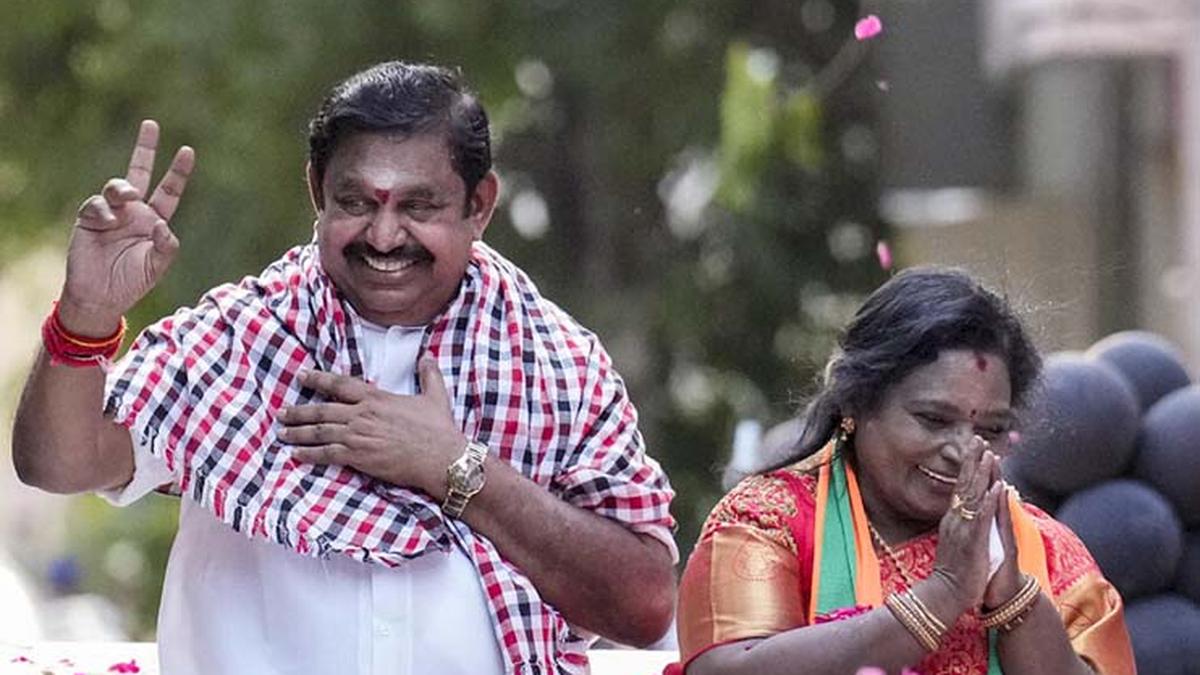
As Tamil Nadu gears up for the 2026 elections, the “thundu,” a traditional South Indian shawl, is making a notable reappearance as a symbol of political identity. Once a common marker of political affiliation, the thundu had faded from everyday use but resurfaces during election campaigns, draped across the shoulders of leaders and candidates. The article examines the thundu’s historical significance, its connection to prominent leaders like C. Rajagopalachari, C.N. Annadurai, and M. Karunanidhi, and its contemporary role in conveying party identity.
The use of color-coded thundus by different parties – red-and-black for DMK, red, white, and black for AIADMK, red-and-yellow for TVK, and blue-and-red with a white star for VCK – helps to visually unify candidates from diverse backgrounds. While ponnadais (ceremonial shawls) are used briefly as symbols of honor, the thundu is valued more for its representational purpose, particularly in grassroots outreach.
Key Points:
- The “thundu,” a traditional shawl, has returned to prominence in Tamil Nadu politics during the 2026 election season.
- Historically, the thundu was associated with prominent leaders like C. Rajagopalachari, C.N. Annadurai, and M. Karunanidhi.
- Different political parties use distinct color combinations in their thundus to represent their party identity: DMK (red-and-black), AIADMK (red, white, and black), TVK (red-and-yellow), VCK (blue-and-red with a white star).
- The thundu is seen as more effective for grassroots outreach compared to caps, which are perceived as urban and elite.
- The thundu is viewed as a symbol of authority and leadership within Tamil culture.
Key Takeaways:
- Political symbolism continues to play a significant role in Tamil Nadu elections.
- Traditional attire can be strategically employed to connect with voters and reinforce party identity.
- The thundu’s resurgence highlights the importance of cultural markers in South Indian politics.
- The choice of political symbols reflects an understanding of regional perceptions and grassroots engagement.
- The article suggests a contrast between the political symbolism in South India (thundu) and other parts of India (caps), possibly influenced by historical and ideological factors.
Impact Analysis:
The continued use of the thundu as a political symbol suggests a lasting connection between political identity and cultural expression in Tamil Nadu. This trend could influence future election campaigns, with parties likely to continue utilizing traditional attire and symbols to connect with voters on a deeper, more cultural level. The emphasis on grassroots outreach also indicates a focus on addressing local concerns and maintaining a strong connection with the electorate. This might also influence the textile industry of the region, with increased demand for party-specific colored thundus during the election season.
 First Piper