
Fri Apr 03 03:08:19 UTC 2026: ### Tamil Nadu and West Bengal Assembly Elections Heat Up as Election Commission Takes Action
The Story:
As Tamil Nadu and West Bengal gear up for the April 2026 Assembly elections, political activity intensifies. The Election Commission of India (ECI) has been actively involved, transferring key police officials in Tamil Nadu and addressing clashes in West Bengal. Political parties, including DMK, TVK, BJP, and TMC, are engaged in vigorous campaigning, releasing manifestos, and accusing each other of various wrongdoings. The elections are also taking place against a backdrop of a gas cylinder shortage and concerns over women’s safety.
Key Points:
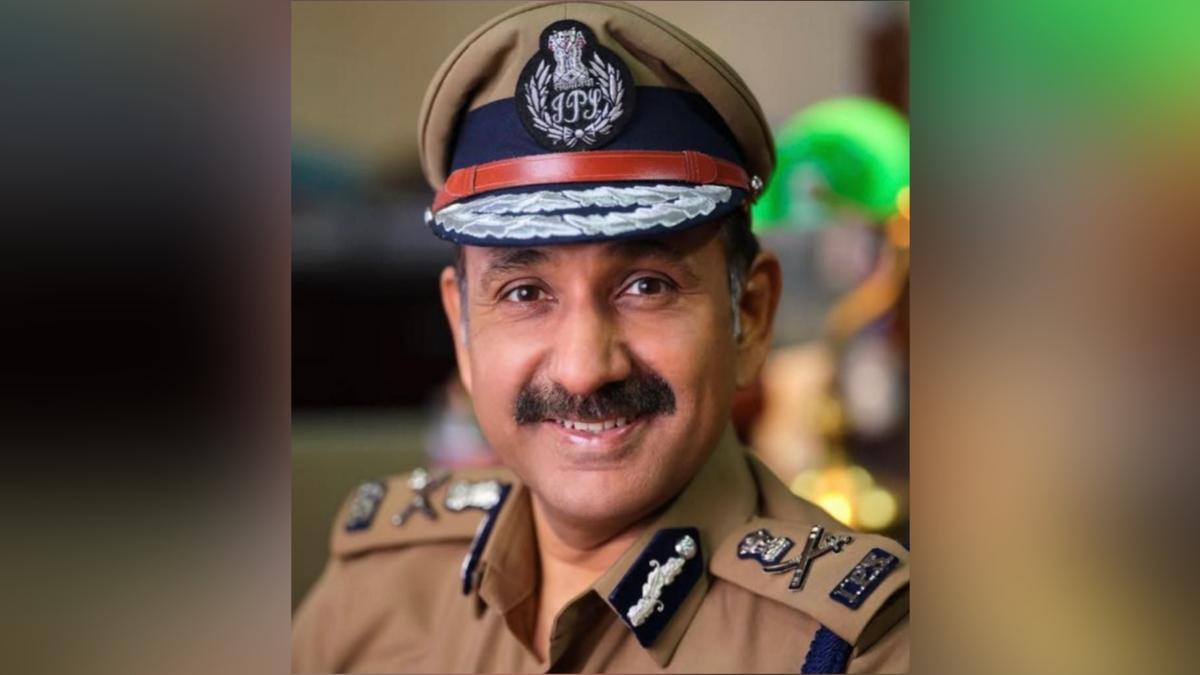
- The Election Commission of India (ECI) appointed Sandeep Rai Rathore as the new Tamil Nadu police chief, replacing G. Venkatraman.
- Section 163 of the Bharatiya Nyaya Sanhita (BNS) was imposed in West Bengal to control clashes between BJP and TMC workers.
- Prime Minister Narendra Modi is scheduled to hold a roadshow in Puducherry.
- Vijay, the chief of Tamilaga Vettri Kazhagam (TVK), criticized both the central and state governments over the LPG cylinder shortage.
- Suvendu Adhikari, a BJP candidate, filed his nomination in Bhabanipur, West Bengal, accompanied by Amit Shah.
- The Supreme Court criticized the West Bengal administration for inaction regarding attacks on judicial officers during the electoral roll revision and ordered an independent probe.
- Congress leader Priyanka Gandhi accused Prime Minister Narendra Modi of being a “coward” and compromised.
- The AIADMK released its final list of candidates and seat-sharing details.
- Election flying squads intercepted and inspected the vehicle of DMK MP Kanimozhi Karunanidhi.
- Both the LDF and UDF in Kerala released their manifestos with promises for development and welfare.
Critical Analysis:
The ECI’s actions in Tamil Nadu, specifically the transfer of police officials, suggest an attempt to ensure impartiality and prevent any potential bias during the election process. The imposition of Section 163 in West Bengal indicates heightened tensions and the potential for violence between political rivals. The focus on law and order reflects the ECI’s commitment to conducting free and fair elections amidst a charged political atmosphere.
Key Takeaways:
- The ECI is actively monitoring and intervening to maintain order and fairness in the election process across multiple states.
- The elections are marked by intense political rivalry and accusations, reflecting a highly competitive landscape.
- Local issues, such as the LPG cylinder shortage, are being leveraged by opposition parties to criticize incumbent governments.
- National leaders are actively participating in state-level campaigns to bolster their parties’ prospects.
- Historical events and past controversies are being invoked to sway voters and shape public perception.
Impact Analysis:
The outcome of these elections will have significant implications for the political landscape of Tamil Nadu, West Bengal, Assam, Kerala and Puducherry, potentially reshaping alliances and influencing policy decisions at both the state and national levels. The ability of the ECI to conduct free and fair elections will also be crucial in maintaining public trust in the democratic process.
 First Piper