
Thu Apr 02 07:37:34 UTC 2026: Headline: India Grapples with LPG Crisis, Pushes for Piped Natural Gas Expansion Amidst Geopolitical Instability
The Story:
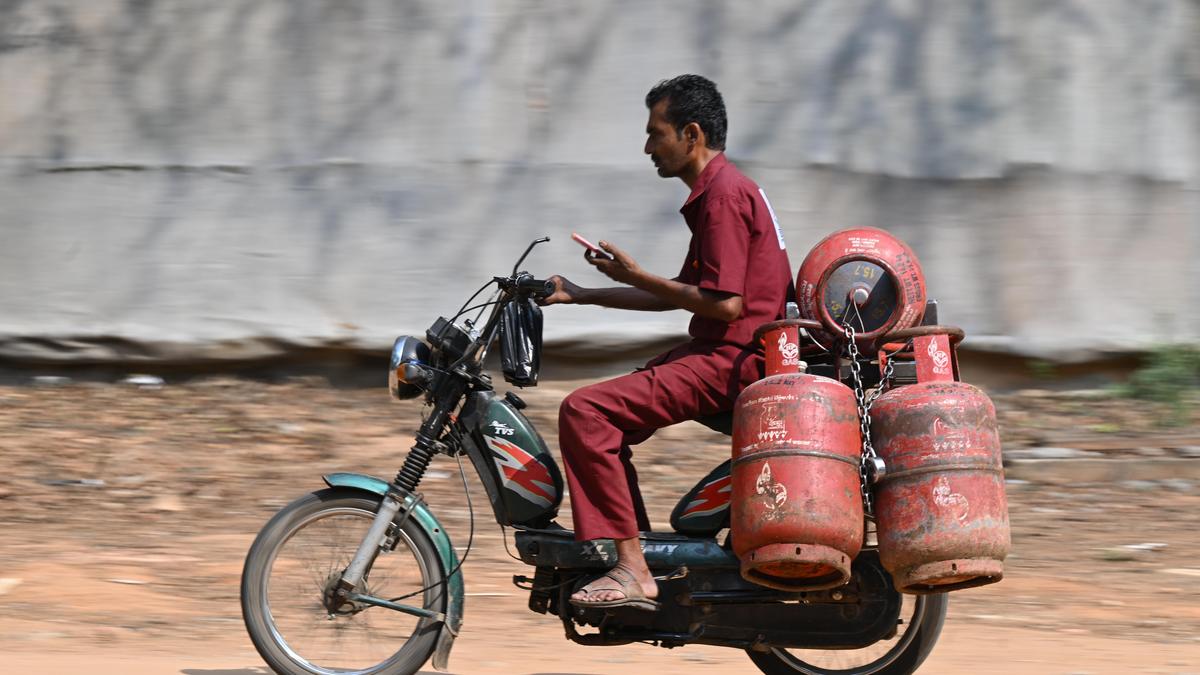
India faces a potential energy crisis as its reliance on Liquefied Petroleum Gas (LPG) imports, particularly through the now-blocked Strait of Hormuz, is threatened by the ongoing war in West Asia. The government is accelerating the expansion of Piped Natural Gas (PNG) infrastructure to reduce dependence on LPG and leverage more globally diverse sources of Liquefied Natural Gas (LNG). A recent gazette notification mandates households to surrender LPG connections upon obtaining PNG, aiming for 2 crore PNG connections soon. The long-term goal is 12 crore connections by 2034.
Key Points:
- India has 33 crore LPG connections.
- Domestic natural gas production could potentially cater to 30 crore PNG connections.
- India imports approximately three-fifths of its LPG requirements, with 90% routed through the Strait of Hormuz, now blocked due to conflict.
- The government aims for 12 crore PNG connections by 2034.
- Households must surrender LPG connections within three months of obtaining PNG.
- India’s gas pipeline network spans about 25,000 kilometers, with an additional 10,500 kilometers under construction.
- ONGC commenced production in the KG-DWN 98/2 Block in the KG basin in 2024, expecting to increase gas output by 15% through more wells.
Critical Analysis:
The LPG crisis, highlighted in the related context, underscores India’s vulnerability to geopolitical events impacting crucial supply routes. The urgency to transition to PNG is driven by the need for energy security and diversified import sources. The mandate requiring households to surrender LPG connections upon obtaining PNG is a bold move, signaling a strong commitment from the government. However, the challenge lies in rapidly expanding the pipeline network and ensuring last-mile connectivity, particularly in areas with unfavorable city infrastructure. The government’s push for PNG also takes into account a broader strategy to diversify fuel sources for industrial use and fertilizer production, reducing the strain on LPG reserves.
Key Takeaways:
- Geopolitical instability is forcing India to accelerate its transition to PNG for domestic cooking.
- The government is taking a proactive approach by mandating the surrender of LPG connections to boost PNG adoption.
- Infrastructure development, particularly last-mile connectivity, remains a critical bottleneck.
- Diversification of natural gas sources and increased domestic production are essential for long-term energy security.
- Even with significant PNG expansion, India will still rely on substantial LPG imports in the foreseeable future.
Impact Analysis:
The accelerated adoption of PNG will likely have a significant impact on India’s energy landscape. The shift will reduce reliance on LPG imports, potentially stabilizing energy prices for consumers in the long run. This move could also spur economic growth by creating opportunities in pipeline construction, gas distribution, and related industries. Furthermore, a reduction in LPG usage could contribute to environmental benefits by promoting the use of a cleaner fuel source. However, the success of this transition hinges on the government’s ability to overcome infrastructure challenges and ensure a smooth transition for households and industries alike. Failure to do so could lead to widespread disruption and consumer dissatisfaction. The increased dependency on LNG will also require a robust and resilient import infrastructure, making India vulnerable to global supply chain disruptions.
 First Piper