
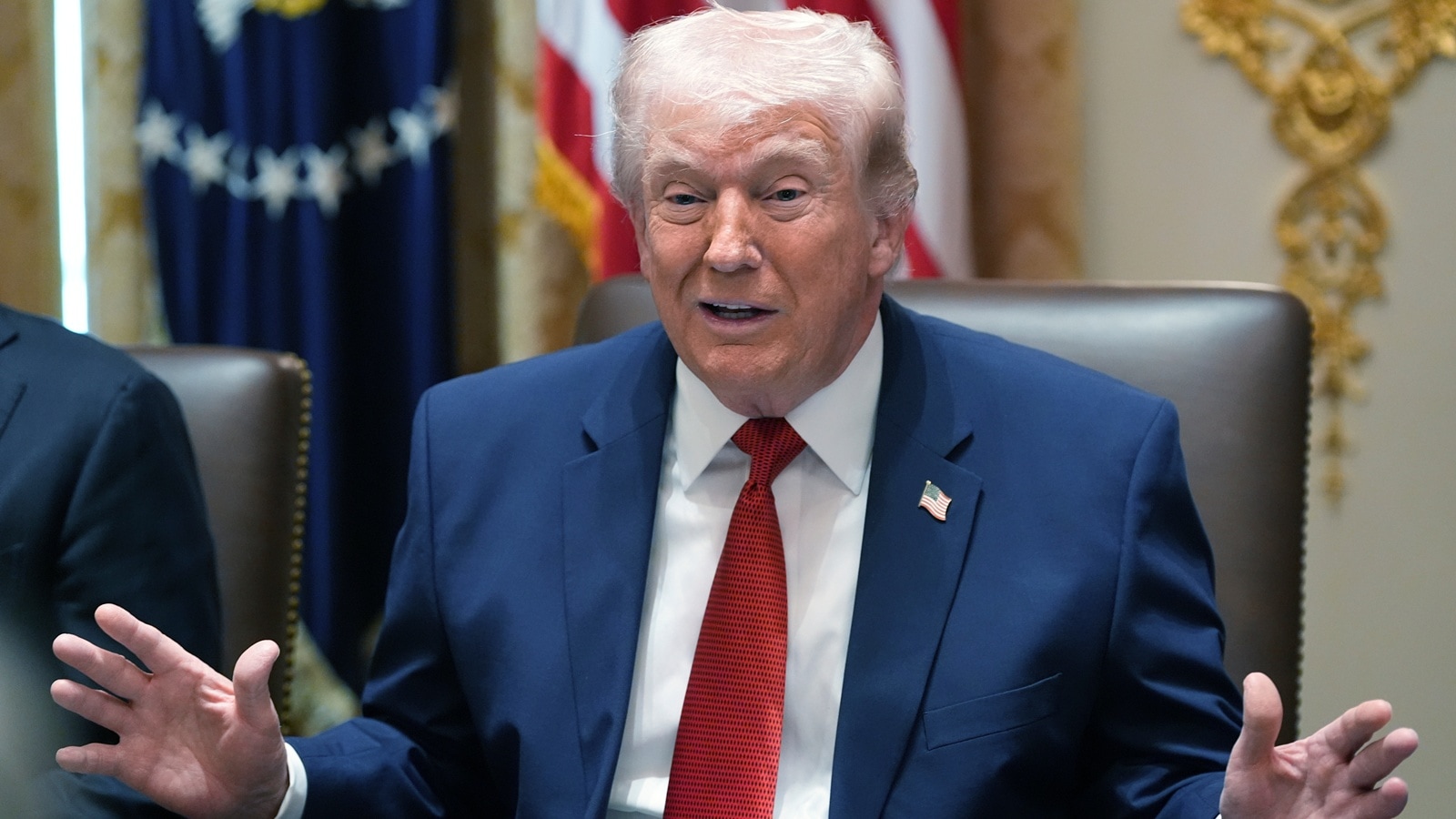
Wed Apr 01 15:07:23 UTC 2026: ### Headline: Trump Signals Imminent US Withdrawal from Iran Amidst Ongoing Conflict, Hints at Future “Spot Hits”
The Story:
In a telephonic interview with Reuters on Wednesday, US President Donald Trump indicated a swift withdrawal of American forces from Iran. This declaration comes amidst escalating tensions, including Iranian strikes on an oil tanker off Qatar and Kuwait’s airport, coupled with continued airstrikes within Iran. Trump stated the US could return for targeted “spot hits” if necessary. He also criticized NATO’s lack of support for US objectives in Iran and suggested a potential withdrawal from the alliance.
Trump claimed US actions have prevented Iran from developing nuclear weapons, a claim Iran denies. He expressed optimism about finalizing a ceasefire deal with Iran’s new leadership following the reported death of Supreme Leader Ali Khamenei. The President downplayed concerns about Iran’s existing enriched uranium, citing satellite surveillance capabilities.
Key Points:
- Trump announces a near-term US withdrawal from Iran.
- The US president mentions the possibility of future “spot hits” in Iran.
- He criticizes NATO for lack of support and considers withdrawing the US from the alliance.
- Trump claims US actions have prevented Iran from acquiring nuclear weapons.
- He expresses hope for a ceasefire deal with Iran’s new leadership.
- Attacks have unfolded against Kuwait’s airport and an oil tanker off Qatar.
Critical Analysis:
The historical context reveals a rapid sequence of events: a major Iranian missile barrage on April 1, 2026, followed by reports of US-Iran ceasefire negotiations dependent on the reopening of the Strait of Hormuz. Simultaneously, the Iranian president addressed the American people, questioning the US involvement in what he frames as “Israel’s war.” Trump’s announcement of a quick withdrawal, coupled with the stated objective of preventing Iran from obtaining nuclear weapons and a hopeful outlook on a ceasefire, suggests a potential strategic shift. The “spot hits” comment indicates a desire to maintain a level of control without a full-scale military presence. The timeframe suggests a compressed decision-making process, possibly driven by domestic political considerations or a reassessment of the costs and benefits of continued military engagement.
Key Takeaways:
- The US appears to be pivoting away from a long-term military commitment in Iran.
- The “spot hits” strategy implies a willingness to use force selectively to deter specific Iranian actions.
- NATO’s future is uncertain given Trump’s criticisms and threat of withdrawal.
- The circumstances surrounding Supreme Leader Ali Khamenei’s alleged death and the “regime change” in Iran are unclear, but are likely key factors driving the potential for a ceasefire.
- The situation remains volatile, with the potential for renewed conflict despite ceasefire negotiations.
Impact Analysis:
The US withdrawal could have significant long-term implications:
* Regional Power Vacuum: A reduced US presence in Iran could create a power vacuum, potentially leading to increased regional instability and competition among regional actors.
* NATO Cohesion: A US withdrawal from NATO would severely weaken the alliance and could prompt other members to reassess their commitments, fundamentally altering the geopolitical landscape.
* Nuclear Proliferation: While Trump claims Iran will not develop nuclear weapons, the withdrawal could embolden Iran to pursue a nuclear program in the future, absent a robust international monitoring and enforcement regime.
* US Credibility: The sudden withdrawal, particularly if perceived as a retreat, could damage US credibility as a reliable partner and deter future allies from aligning with US foreign policy objectives.
* Global Oil Markets: The reopening of the Strait of Hormuz, contingent on a ceasefire, could stabilize global oil markets, but the long-term impact will depend on the sustainability of the
 First Piper