
Thu Apr 02 02:21:29 UTC 2026: # Trump Addresses Nation on Iran-Israel War, Hints at Impending End to U.S. Operations
The Story:
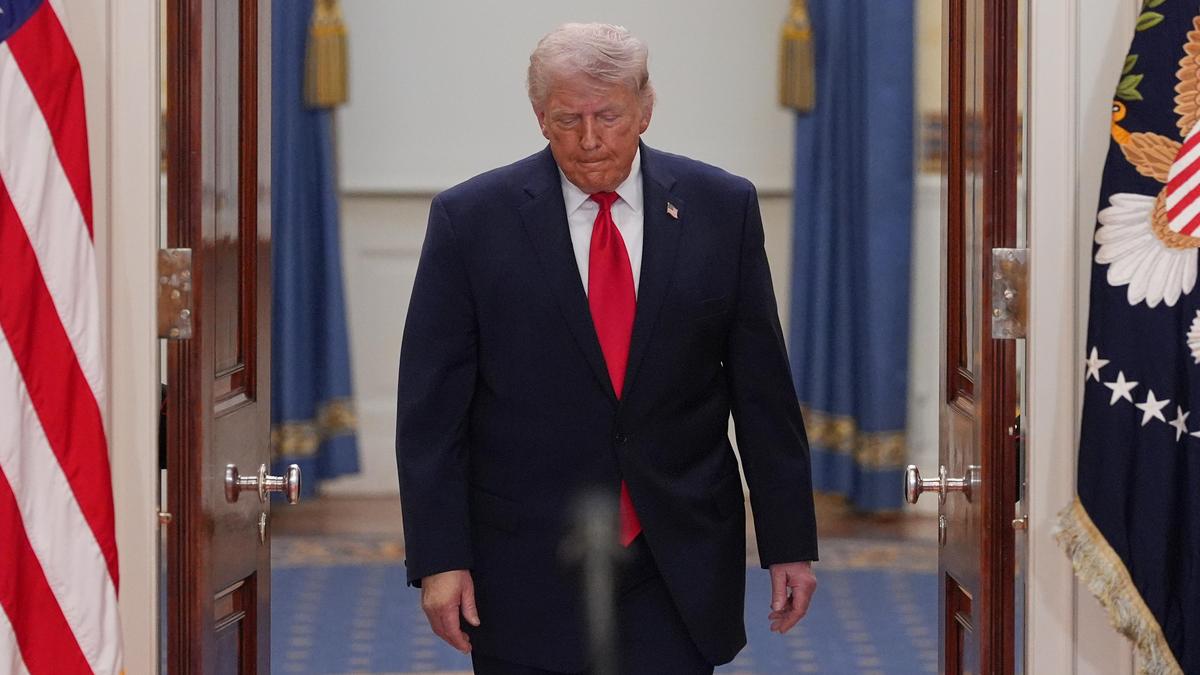
On April 2, 2026, U.S. President Donald Trump addressed the nation regarding the ongoing Iran-Israel war, the U.S. strikes on Tehran, and the resulting turmoil in global oil prices and supply chains. In his speech, President Trump defended the U.S. military actions, claiming they were necessary to prevent Iran from developing nuclear weapons. He also addressed the rising oil prices, blaming the Iranian regime and touting the U.S.’s oil production capabilities. The President suggested that other countries should protect the Strait of Hormuz and buy oil from the U.S.
President Trump indicated that U.S. military operations in Iran would end “very soon,” possibly within two to three weeks, while simultaneously pursuing talks with Iranian authorities. He also boasted about the strength of the U.S. economy and reiterated the U.S.’s military dominance, asserting that “We have all the cards, they have none.”
Key Points:
- President Donald Trump addressed the nation on the Iran-Israel war on April 2, 2026.
- The address covered U.S. strikes on Tehran, the war’s impact on global oil prices, and Iran’s alleged nuclear ambitions.
- President Trump declared the U.S. would hit Iran “extremely hard” for the next two to three weeks and “bring them back to the Stone Age.”
- He attributed rising oil prices to the “deranged Iranian regime” and encouraged countries to buy oil from the U.S.
- Trump claimed U.S. forces would end operations in Iran “very soon” and suggested the end of U.S. involvement would cause oil prices to fall.
- The U.S. and Israel jointly attacked Tehran on February 28, 2026, killing Iran’s Supreme Leader Ayatollah Ali Khamenei and over 200 civilians.
- Iran has effectively closed the Strait of Hormuz, leading to soaring oil prices.
Critical Analysis:
The timing of President Trump’s speech, combined with the promise of a swift end to U.S. military operations, suggests a potential shift in strategy. While he maintains a strong stance against Iran, the indication of upcoming talks and withdrawal could be an attempt to de-escalate the conflict amid rising global economic pressures caused by the disruption of oil supplies. His emphasis on U.S. oil production also aims to position the U.S. as a reliable alternative supplier.
Key Takeaways:
- The U.S. is signaling a possible drawdown of military operations in Iran within the next few weeks.
- The U.S. is attempting to leverage its oil production capacity to mitigate the global impact of the Strait of Hormuz closure.
- The situation remains highly volatile, with significant implications for global oil markets and geopolitical stability in West Asia.
- Despite the promise of de-escalation, the U.S. maintains a hardline stance towards Iran, threatening further military action if its conditions are not met.
- The death of Ayatollah Ali Khamenei has likely created a power vacuum within Iran, potentially influencing the course of negotiations.
Impact Analysis:
The Iran-Israel war and the U.S. involvement are poised to have lasting consequences:
- Global Economy: The closure of the Strait of Hormuz and fluctuating oil prices will continue to strain global supply chains and potentially trigger a recession.
- Geopolitical Landscape: The power dynamics in West Asia are being reshaped, with potential for new alliances and conflicts. The U.S.’s role as a dominant force in
 First Piper