
Thu Apr 02 03:53:07 UTC 2026: # U.S. Lifts Sanctions on Venezuelan Interim President Amidst Shifting Political Landscape
The Story:
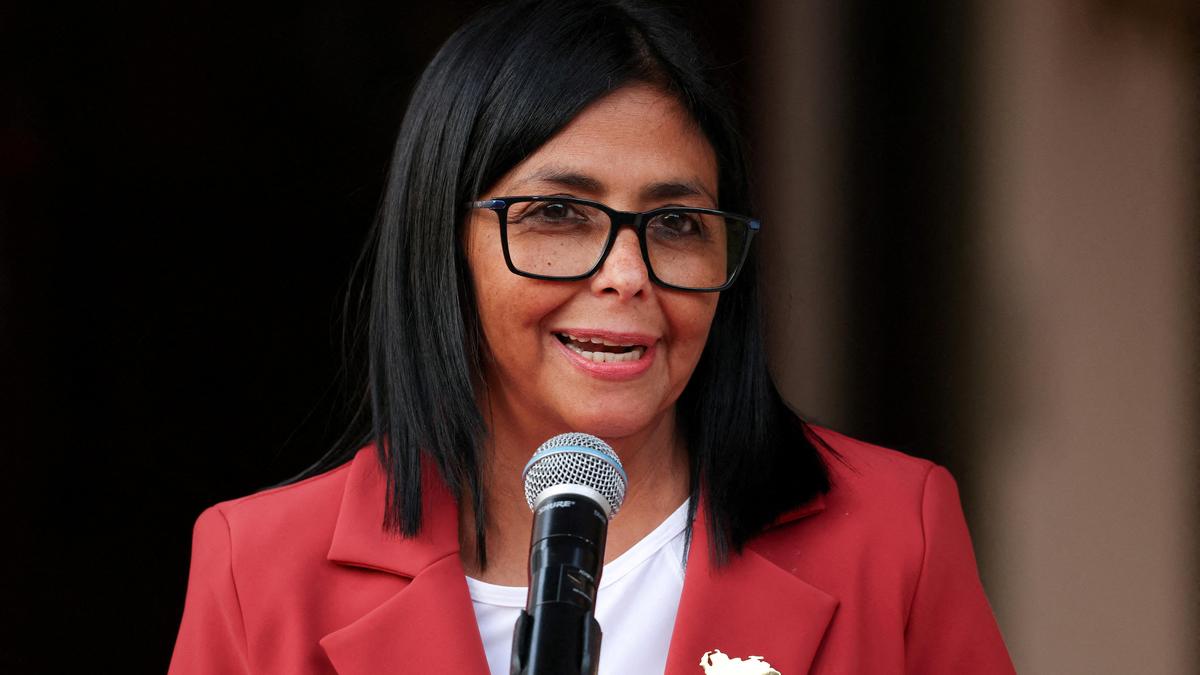
The United States has lifted sanctions on Venezuela’s acting President Delcy Rodríguez, as announced on April 1, 2026, signaling a significant shift in U.S.-Venezuela relations. This move follows the U.S. military’s capture of former President Nicolás Maduro and his wife on January 3, 2026, who are now facing drug trafficking charges in New York. The lifting of sanctions allows Rodríguez to engage more freely with U.S. companies and investors, potentially opening avenues for economic cooperation.
Key Points:
- The U.S. lifted sanctions on Delcy Rodríguez on April 1, 2026.
- This action follows the capture of former President Nicolás Maduro on January 3, 2026, and his subsequent indictment on drug trafficking charges.
- Rodríguez expressed hope for improved U.S.-Venezuela relations and the lifting of remaining sanctions.
- Sanctions were initially imposed on Rodríguez and her brother in September 2018 for allegedly undermining Venezuelan democracy.
- The current U.S. administration now recognizes Rodríguez as the “sole Head of State” of Venezuela in a U.S. federal court case.
- The U.S. has also lifted sanctions on major Venezuelan industries, including allowing PDVSA to sell oil directly to U.S. companies.
- Maduro legally remains Venezuela’s President, his absence declared “temporary” by the high court.
Critical Analysis:
The U.S.’s decision to lift sanctions on Delcy Rodríguez represents a pragmatic shift in its approach to Venezuela. The capture of Maduro created a power vacuum, and the U.S. appears to be prioritizing stability and economic engagement with Venezuela’s oil reserves, even if it means working with figures previously considered detrimental to democracy. The timing, nearing the end of Rodríguez‘s initial 90-day term as acting president, suggests a deliberate attempt to solidify her position and encourage further cooperation.
Key Takeaways:
- The U.S. is prioritizing stability and access to Venezuelan oil over previous concerns about democratic governance.
- Delcy Rodríguez has emerged as a key figure in U.S.-Venezuela relations following Maduro’s removal.
- The lifting of sanctions on PDVSA indicates a strong U.S. interest in revitalizing Venezuela’s oil sector.
- The legal status of Maduro as President remains ambiguous, adding complexity to the political landscape.
- The future of U.S.-Venezuela relations hinges on the continued cooperation of Rodríguez and the lifting of remaining sanctions.
Impact Analysis:
The U.S. lifting sanctions on Delcy Rodríguez and the Venezuelan oil industry has significant long-term implications. Economically, it could revitalize Venezuela’s struggling economy and provide the U.S. with a crucial source of oil. Politically, it legitimizes Rodríguez‘s leadership and could pave the way for a more stable, albeit potentially authoritarian, government in Venezuela. However, the situation remains fragile, and future political instability or a breakdown in cooperation could reverse these gains. The U.S. is taking a calculated risk, betting that engagement with Rodríguez will ultimately serve its strategic interests in the region.
 First Piper