
Thu Apr 02 03:56:42 UTC 2026: ### Egmore Prepares for Assembly Elections Amidst Civic Concerns
The Story:
As April 2026 approaches, Egmore, Chennai, a historically significant and politically watched constituency, is gearing up for the Assembly elections. The constituency, known for its diverse electorate and key landmarks like the Government Museum and Egmore Railway Station, faces a contest between first-time contenders from various parties including DMK, AIADMK, TVK, and NTK. While Egmore has seen infrastructure upgrades, voter sentiment is increasingly shaped by civic challenges, job opportunities, and traffic congestion.
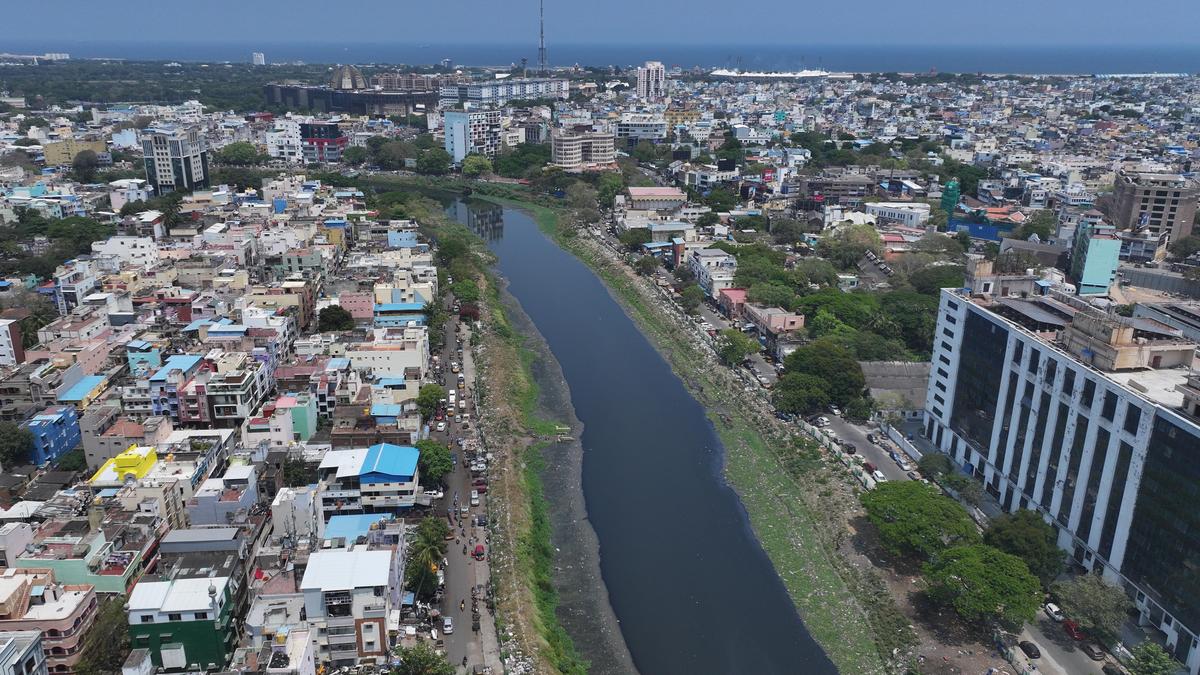
Residents voice concerns about issues such as regulating street vending in Purasawalkam, persistent sewage problems in Vepery, traffic congestion due to ongoing SWD work, and the need for improved housing tenements and job opportunities. The constituency has also experienced a reduction in its electoral base following the SIR exercise.
Key Points:
- The Egmore constituency in Chennai is preparing for Assembly elections in April 2026.
- The main contenders are first-time candidates from DMK, AIADMK, TVK, and NTK.
- Key issues include traffic congestion, regulating street vending, sewage problems, and the need for better housing and job opportunities.
- The constituency’s electoral base has shrunk by 62,586 following the SIR exercise.
- The Anglo-Indian community seeks representation and specific allocations in government colleges.
- Residents report construction quality issues in the K.P. Park tenements.
Critical Analysis:
The article highlights the complex interplay between historical political leanings and contemporary urban challenges in Egmore. The DMK’s historical dominance is being tested by new contenders amidst pressing local issues. The focus on infrastructure upgrades versus the persistence of basic civic problems reveals a potential disconnect between large-scale development projects and the everyday realities of residents. The inclusion of specific community concerns, like those of the Anglo-Indian population, underscores the importance of addressing diverse needs within the constituency.
Key Takeaways:
- Local elections are heavily influenced by everyday issues like traffic, housing, and basic amenities.
- Historical political allegiances may not guarantee victory in the face of pressing local concerns.
- Addressing the needs of diverse communities is crucial for electoral success.
- Infrastructure development alone does not ensure voter satisfaction; quality of life issues matter.
- New parties can generate curiosity but may struggle to overcome established voting patterns.
Impact Analysis:
The outcome of the Egmore election will likely influence urban development policies and resource allocation in Chennai. If the winning candidate effectively addresses the highlighted civic issues, it could set a precedent for other constituencies. Failure to do so might further erode public trust in governance and lead to increased social unrest. The success or failure of TVK, the new party, will be a litmus test for the viability of alternative political movements in Tamil Nadu. The Anglo-Indian community’s concerns, if addressed, could lead to broader policies protecting minority rights and representation. Overall, the Egmore election serves as a microcosm of the broader challenges and opportunities facing urban India.
 First Piper