
Thu Apr 02 01:14:05 UTC 2026: # IBC Amendment Bill Passes Rajya Sabha, Bolstering Banking System and Investor Confidence
The Story:
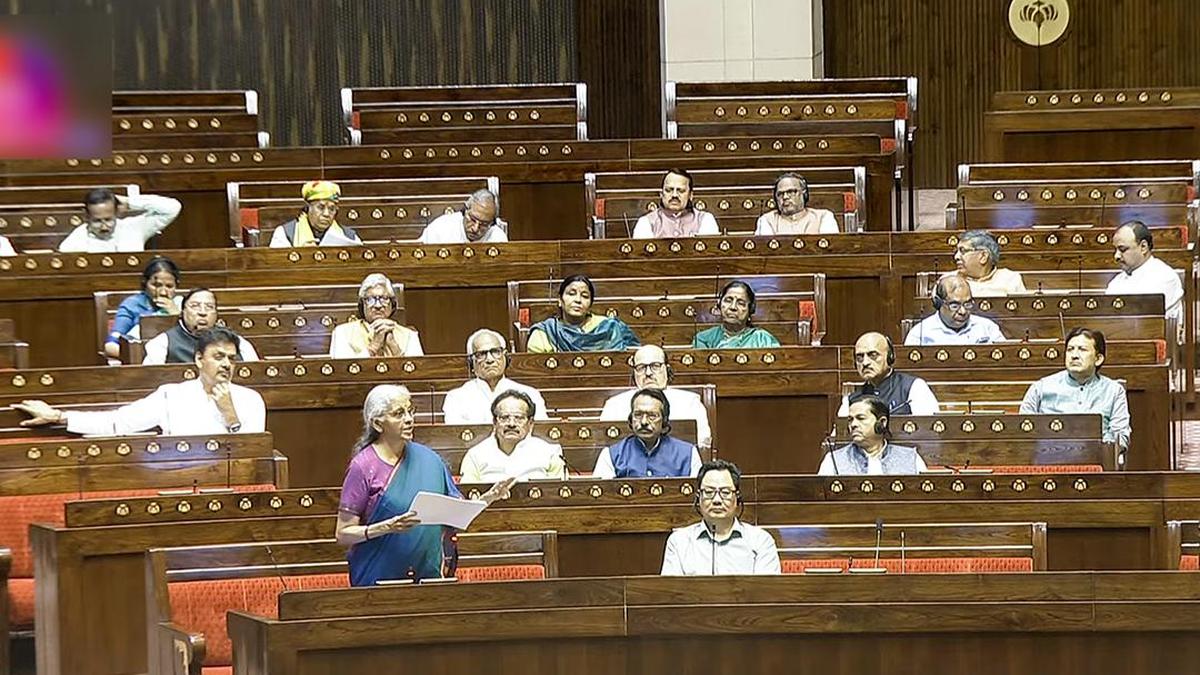
On April 1, 2026, the Rajya Sabha passed the Insolvency and Bankruptcy Code (Amendment) Bill (IBC), 2026, following its passage in the Lok Sabha on March 30, 2026. Union Finance Minister Nirmala Sitharaman stated that the amended law aims to strengthen the banking system, bring value to the economy, and facilitate company recovery rather than liquidation. The Minister highlighted the improved resolution-to-liquidation ratio and the significant recovery of funds by Scheduled Commercial Banks (SCBs) through the IBC channel.
Key Points:
- The Rajya Sabha passed the Insolvency and Bankruptcy Code (Amendment) Bill (IBC), 2026.
- The Bill was previously passed in the Lok Sabha on March 30, 2026.
- Finance Minister Nirmala Sitharaman emphasized the law’s role in strengthening the banking system and promoting economic value.
- The resolution-to-liquidation ratio has improved significantly, moving closer to one in 2024-25 compared to one-to-five in 2017-18.
- SCBs have recovered ₹1,04,099 crore through various channels, with the IBC channel contributing ₹54,528 crore (52.3%).
- The amendments aim to ensure transparency and deter frivolous proceedings.
- The government accepted 11 recommendations of the Select Committee headed by BJP MP Baijayant Panda.
Critical Analysis:
The passage of the IBC Amendment Bill comes amidst a flurry of legislative activity, including the Jan Vishwas (Amendment) Bill and the CAPF Bill. The focus on economic legislation like the IBC amendment, alongside law and order measures (CAPF Bill), suggests a two-pronged approach by the government: strengthening the economy and maintaining internal security. The Jan Vishwas (Amendment) Bill, aiming to decriminalize minor offences, also aligns with the goal of easing business operations.
Key Takeaways:
- The IBC Amendment Bill signifies the government’s continued commitment to improving the insolvency resolution framework.
- The improved resolution-to-liquidation ratio and the increased recovery of funds indicate the effectiveness of the IBC.
- The emphasis on transparency and the prevention of frivolous proceedings aims to enhance investor confidence and streamline the insolvency process.
- The passing of this bill alongside other legislative actions reflects a broader governmental strategy aimed at strengthening both the economy and internal security.
Impact Analysis:
The IBC Amendment Bill is likely to have a positive impact on the Indian economy. By facilitating faster and more efficient resolution of insolvency cases, it can unlock capital, reduce non-performing assets (NPAs) in the banking system, and encourage investment. The increased transparency and deterrence of frivolous proceedings will further enhance investor confidence, attracting more capital and promoting economic growth. The long-term effect should be a more robust and resilient financial system capable of supporting sustainable economic development.
 First Piper