
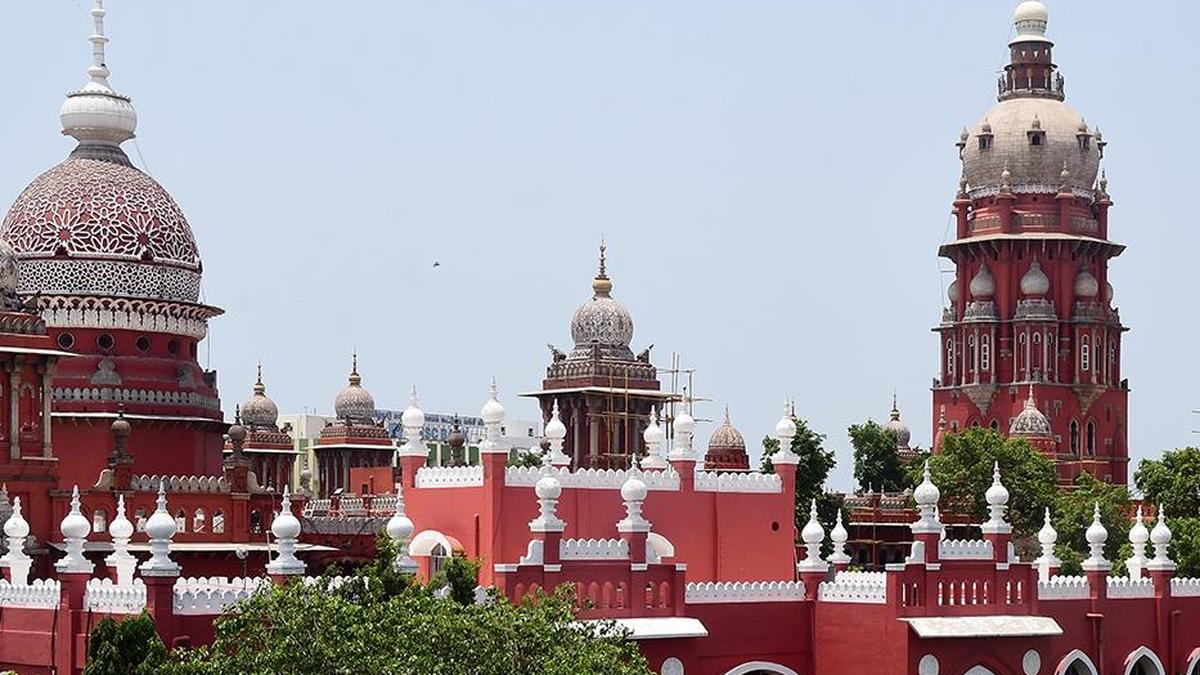
Thu Apr 02 07:27:40 UTC 2026: ### Madras High Court Hears PIL on SC Status in Tamil Nadu Assembly Elections
The Story:
The Madras High Court is considering a Public Interest Litigation (PIL) filed by Arjun Sampath of Indu Makkal Katchi, seeking strict scrutiny of nominations in the 44 reserved Assembly constituencies in Tamil Nadu. The PIL argues that the Tamil Nadu Chief Electoral Officer (CEO) should ensure nominations adhere to the Supreme Court’s judgment regarding Scheduled Caste (SC) status and religion. The core of the issue lies in Clause 3 of the Constitution (Scheduled Castes) Order, 1950, which limits SC status to individuals professing Hinduism, Sikhism, or Buddhism. The petitioner alleges that a significant proportion (90%) of candidates who have filed nominations in these reserved constituencies have converted to Christianity and are therefore ineligible to contest.
Key Points:
- A PIL has been filed in the Madras High Court concerning the eligibility of candidates in 44 reserved Assembly constituencies in Tamil Nadu.
- The petitioner, Arjun Sampath of Indu Makkal Katchi, cites the Constitution (Scheduled Castes) Order, 1950, and a recent Supreme Court judgment (March 24, 2026) as the basis for his claim.
- The Supreme Court has affirmed that SC status is restricted to individuals professing Hinduism, Sikhism, or Buddhism.
- The petitioner claims that approximately 90% of candidates in the reserved constituencies have converted to Christianity and are ineligible to contest.
- The PIL requests the High Court to direct the CEO to instruct Returning Officers to reject nominations from candidates professing religions other than Hinduism, Sikhism, or Buddhism.
- The last day for filing nominations is April 6, 2026, and scrutiny is scheduled for April 7, 2026.
Critical Analysis:
The timing of this PIL, filed shortly before the nomination deadline and scrutiny, suggests a strategic attempt to influence the composition of candidates in the upcoming Tamil Nadu Assembly elections. The petitioner’s reliance on the Supreme Court judgment indicates an effort to leverage existing legal interpretations regarding SC status and religious affiliation. The claim that a high percentage of candidates in reserved constituencies have converted to Christianity points to the potential for significant political and social ramifications if the court rules in favor of the petitioner.
Key Takeaways:
- The Madras High Court is examining the intersection of religious conversion, SC status, and electoral eligibility.
- The case highlights the ongoing debate surrounding the criteria for SC status and its potential impact on political representation.
- The outcome of the PIL could significantly alter the landscape of the Tamil Nadu Assembly elections in reserved constituencies.
- The PIL reflects a broader trend of legal challenges to established norms regarding social justice and religious freedom.
Impact Analysis:
The ruling in this case could have far-reaching implications beyond the immediate Tamil Nadu Assembly elections. If the court upholds the petitioner’s arguments, it could set a precedent for stricter enforcement of the Constitution (Scheduled Castes) Order, 1950, potentially impacting the political representation of religious minorities who have historically benefited from SC reservations. Conversely, a rejection of the PIL could reinforce the existing understanding of SC status and its application to converted individuals. The long-term impact will depend on how the court balances constitutional provisions, social justice concerns, and the principle of religious freedom.
 First Piper