
Thu Apr 02 16:45:22 UTC 2026: ### Headline: Nepal’s New Parliament Convened After Anti-Corruption Protests
The Story:
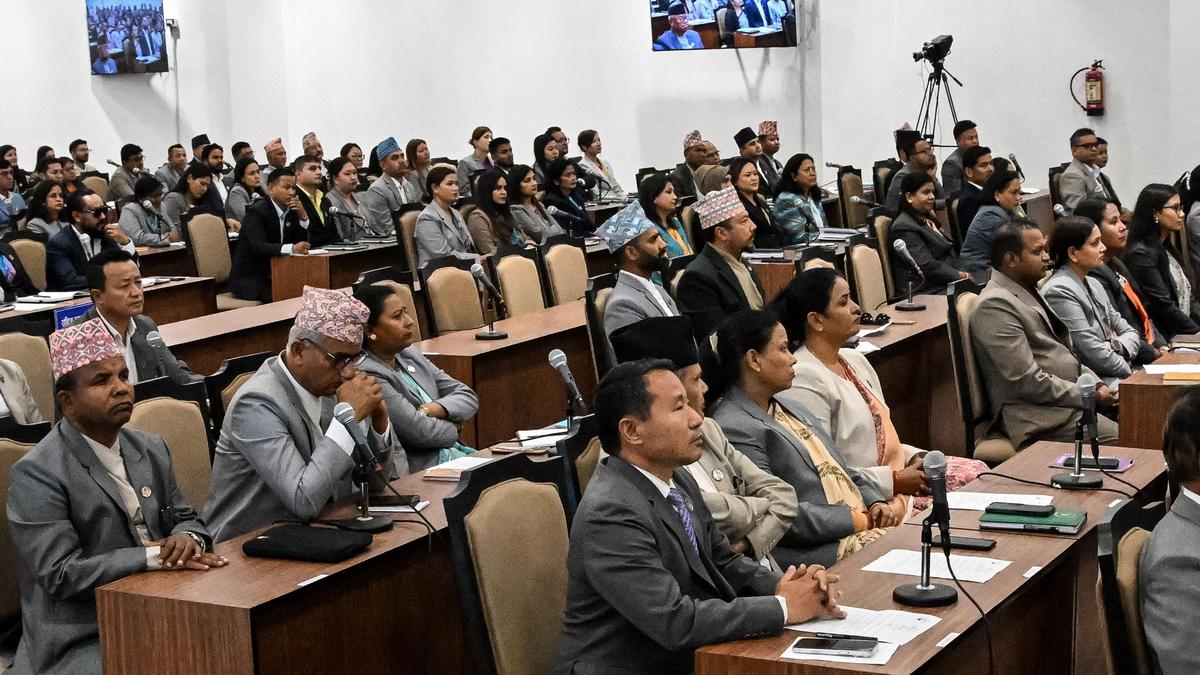
Nepal’s newly elected Parliament convened on April 2, 2026, following the deadly anti-corruption protests in September 2025 that led to the collapse of the previous government and the destruction of the old Parliament building. The session marked the first meeting for many of the newly elected lawmakers, including the new Prime Minister Balendra Shah, a rapper-turned-politician who led the Rastriya Swatantra Party (RSP) to a landslide victory in the March 2026 elections.
The RSP secured 182 of the 275 seats, falling just short of a two-thirds majority. The new government faces the challenge of addressing the deep-seated issues of corruption and economic hardship that fueled the protests.
Key Points:
- Nepal’s new Parliament convened on April 2, 2026, following anti-corruption protests in September 2025.
- Balendra Shah, a rapper-turned-politician, leads the new government as Prime Minister.
- The RSP won 182 of the 275 parliamentary seats in the March 2026 elections.
- Rabi Lamichhane, president of the RSP, called for the opposition to monitor the new government and point out their mistakes.
- The new Parliament is significantly younger, with nearly 60 directly elected members under the age of 40.
- An inquiry commission recommended investigations into former Prime Minister KP Sharma Oli, ex-Home Minister Ramesh Lekhak, and former Chief District Officer Chhabilal Rijal regarding deaths caused by negligence during the protests.
Critical Analysis:
The rise of Balendra Shah and the RSP represents a significant shift in Nepalese politics. The anti-corruption protests, triggered by a seemingly minor social media ban, underscore the public’s frustration with the established political order. Shah’s background as a rapper, coupled with the RSP’s focus on change, likely resonated with a younger electorate disillusioned with traditional politicians. The call for the opposition to actively scrutinize the government suggests an attempt to foster transparency and accountability, potentially addressing the root causes of the previous unrest.
Key Takeaways:
- Public discontent with corruption and economic hardship can lead to significant political upheaval.
- Non-traditional politicians can gain traction by tapping into public frustration and advocating for change.
- Transparency and accountability are crucial for rebuilding public trust after periods of unrest.
- The youth vote is a powerful force in Nepalese politics, as evidenced by the election of many young parliamentarians.
- The new government faces the immediate challenge of addressing the issues that led to the protests while navigating investigations into the alleged negligence of former leaders.
Impact Analysis:
The establishment of this new government could significantly impact Nepal’s political landscape in the long term. The RSP’s performance will be closely watched, both domestically and internationally, as a test case for whether a non-traditional party can effectively address systemic corruption and improve economic conditions. If successful, it could inspire similar movements in other countries facing similar challenges. However, failure to deliver on its promises could further erode public trust in the political system. The investigations into former leaders will also set a precedent for accountability and the rule of law in Nepal. The success of the new government will also be critical in determining Nepal’s future stability and its relationship with international partners.
 First Piper