
Wed Apr 01 21:17:30 UTC 2026: ### Headline: Indian Navy Reveals Near Strike on Pakistan During Operation Sindoor Amidst Rising Maritime Tensions
The Story:
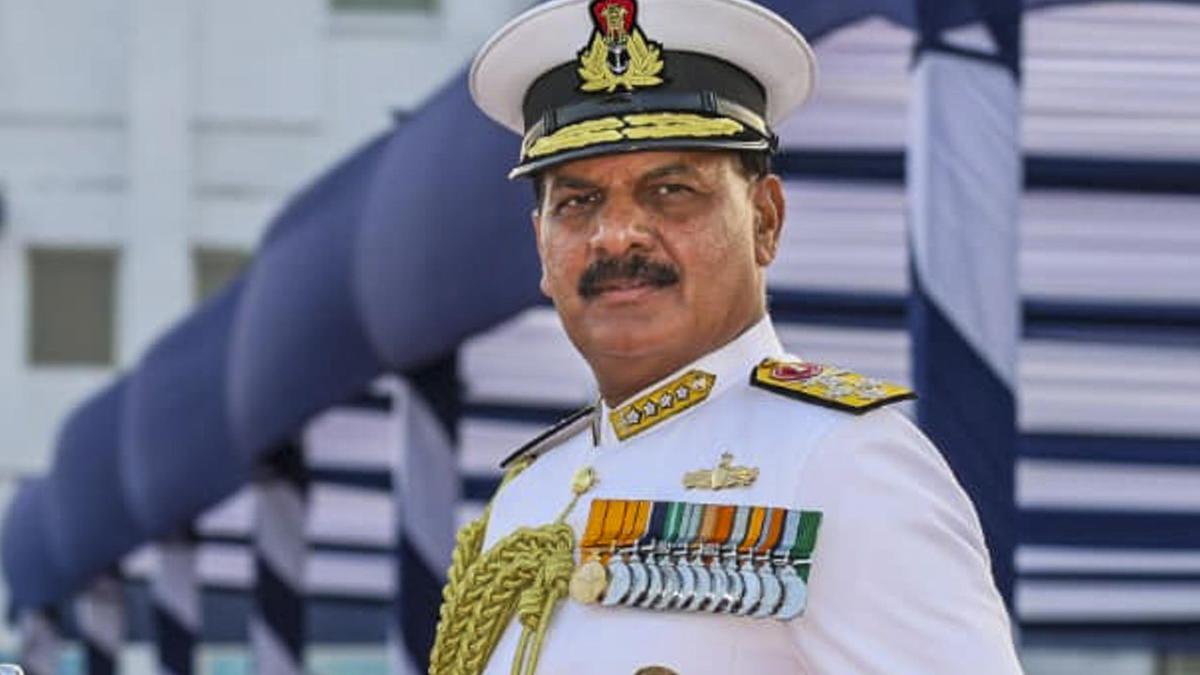
On April 1, 2026, Chief of the Naval Staff Admiral Dinesh K. Tripathi disclosed that the Indian Navy was moments away from launching a maritime strike against Pakistan during Operation Sindoor, which took place last year following the Pahalgam terror attack. According to Admiral Tripathi, Pakistan requested a cessation of kinetic actions just before the strike was to commence. Speaking at a naval investiture ceremony, he emphasized the Navy’s readiness and aggressive posture during the operation.
Admiral Tripathi also addressed the escalating conflict in West Asia, noting that over 20 merchant vessels have been attacked, leaving approximately 1,900 stranded. He highlighted the significant drop in daily traffic through the Strait of Hormuz, from an average of 130 transits pre-conflict to just six-seven. He stressed the increasing importance of the seas as primary theaters for strategic signaling and contestation.
Key Points:
- Operation Sindoor was launched following the Pahalgam terror attack.
- The Indian Navy was reportedly “minutes away” from striking Pakistan from the sea.
- Pakistan requested a halt to military actions.
- Admiral Tripathi highlighted the Navy’s swift deployment and aggressive posture.
- He mentioned the commissioning of 12 ships and submarines in a single year, emphasizing “Atmanirbharta” (self-reliance).
- The Navy Chief addressed the West Asia conflict, noting attacks on merchant vessels and disruptions in the Strait of Hormuz.
- He also mentioned various Humanitarian Assistance and Disaster Relief (HADR) missions undertaken, including Operation Brahma in Myanmar and Operation Sagar Bandhu in Sri Lanka.
Critical Analysis:
The disclosure of the near-strike on Pakistan during Operation Sindoor suggests a heightened level of tension and a willingness to project power following the Pahalgam terror attack. The Navy’s aggressive posture, as emphasized by Admiral Tripathi, serves as a deterrent and a signal of India’s commitment to national security. Coupled with the Navy’s focus on Atmanirbharta and the commissioning of new vessels, it indicates a strategic effort to bolster maritime capabilities. The backdrop of the West Asia conflict and disruptions in the Strait of Hormuz adds a layer of complexity, highlighting the importance of a strong naval presence for safeguarding trade routes and responding to regional crises.
Key Takeaways:
- Operation Sindoor demonstrates India’s readiness to respond decisively to perceived threats.
- The Indian Navy is actively modernizing and expanding its capabilities with a focus on self-reliance.
- Geopolitical tensions in West Asia underscore the strategic importance of maritime security.
- The Indian Navy plays a crucial role in humanitarian assistance and disaster relief operations in the region.
- The Navy’s actions signal a shift towards a more proactive and assertive maritime strategy.
Impact Analysis:
The revelation of the near-strike on Pakistan could have long-term implications for India-Pakistan relations, potentially increasing mistrust and escalating the risk of future conflicts. India’s demonstrated naval capabilities and assertive posture will likely influence regional power dynamics, prompting other nations to reassess their maritime strategies. The emphasis on Atmanirbharta in defense production may lead to greater self-sufficiency and reduced reliance on foreign arms suppliers. The ongoing West Asia conflict and disruptions to maritime trade routes will likely necessitate a sustained Indian naval presence in the region, impacting resource allocation and diplomatic priorities.
 First Piper