
Thu Apr 02 14:12:55 UTC 2026: # Karnataka RDPR Achieves Record Tax Collection, Fueled by Reforms
The Story:
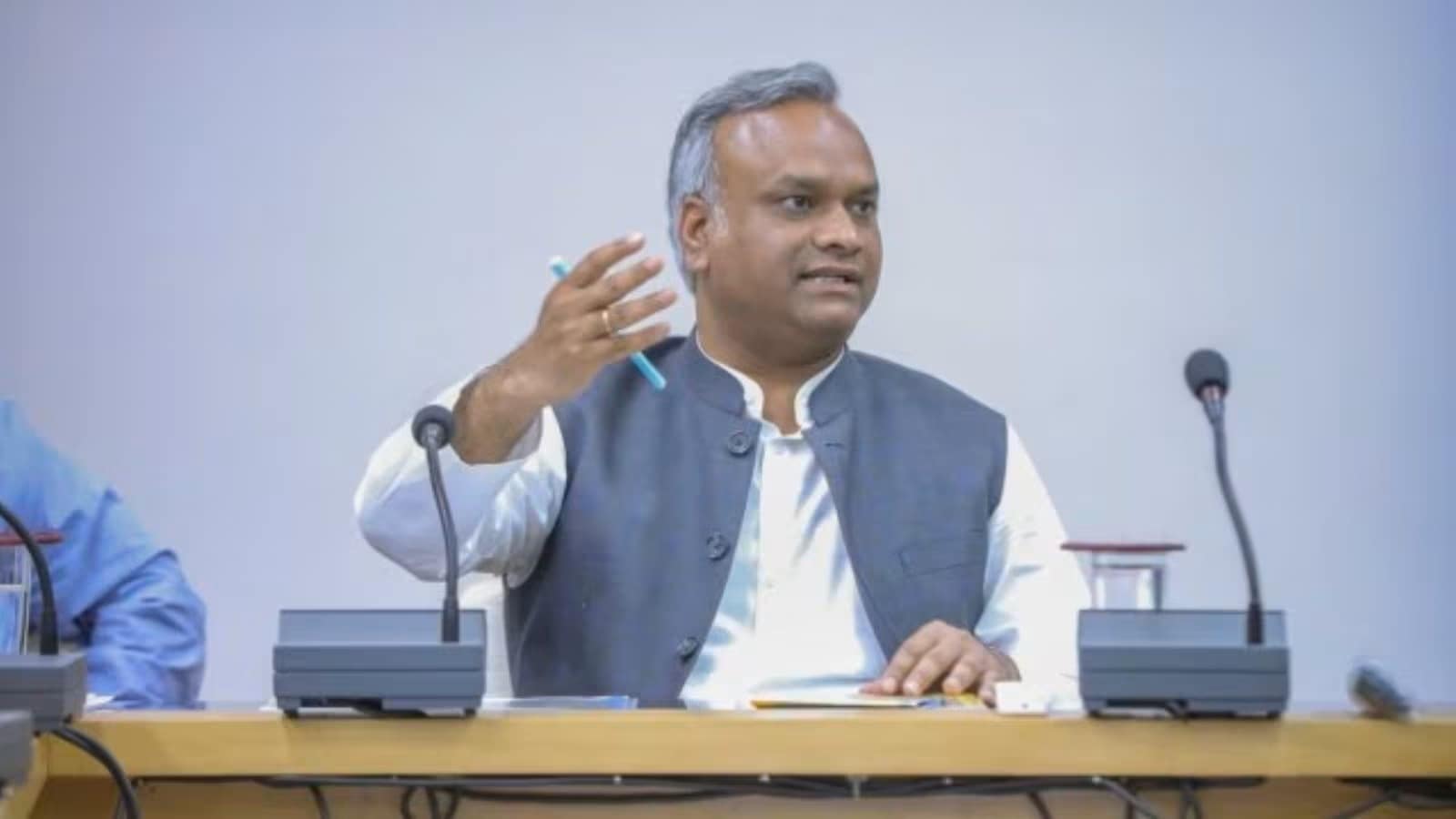
The Karnataka Department of Rural Development and Panchayat Raj (RDPR) has announced a record tax collection of Rs 1,560.76 crore for the 2025-26 financial year. This marks the second consecutive year the department has exceeded Rs 1,000 crore in revenue. RDPR Minister Priyank Kharge attributes this growth to aggressive consolidation and reforms implemented across the state’s 5,943 gram panchayats.
The consistent upward trajectory in tax collections since the current government took office demonstrates efficient administration and improved tax collection systems. Minister Kharge emphasized that these funds are being reinvested into public works within the villages.
Key Points:
- RDPR collected a record Rs 1,560.76 crore in taxes for 2025-26.
- Tax collection has consistently risen since the current government assumed office.
- Efficiency in meeting tax demands improved from 80% in 2024-25 to 89% in 2025-26.
- Collected revenue is reinvested in rural public works projects like streetlights, roads, and drainage.
- Vijayanagar district recorded the lowest collection rate at 65%.
Critical Analysis:
The news regarding the ₹40-crore loan fraud case and the property tax collection offer some context. While the loan fraud case doesn’t directly affect the record tax collection, it highlights the presence of financial irregularities in the state. The property tax collection of ₹1.3 crore on the first day suggests that citizens are willing to pay taxes. The RDPR’s achievement of collecting a record Rs 1,560.76 crore could be related to the increased awareness and drive to collect taxes from citizens.
Key Takeaways:
- Karnataka’s RDPR is demonstrating significant fiscal improvement through effective governance and tax collection strategies.
- Reinvestment of collected taxes into rural infrastructure is a priority.
- Regional disparities in tax collection performance require targeted interventions.
- Increased awareness campaigns and dedicated drives have contributed to the increased revenue.
Impact Analysis:
The RDPR’s record tax collection and subsequent reinvestment in rural infrastructure have significant long-term implications. Improved infrastructure can lead to enhanced economic activity, better living conditions, and increased opportunities for rural residents. This, in turn, can reduce rural-urban migration and foster more balanced regional development within Karnataka. The focus on efficient administration and strict enforcement of rules sets a positive precedent for other government departments and states to emulate. However, the need for focused recovery drives in underperforming districts like Vijayanagar highlights the importance of continuous monitoring and adaptive strategies to ensure equitable progress across all regions.
 First Piper