
Thu Apr 02 12:48:15 UTC 2026: ### Iran-U.S. Tensions Escalate as Missiles Hit Tel Aviv After Trump’s Threat
The Story:
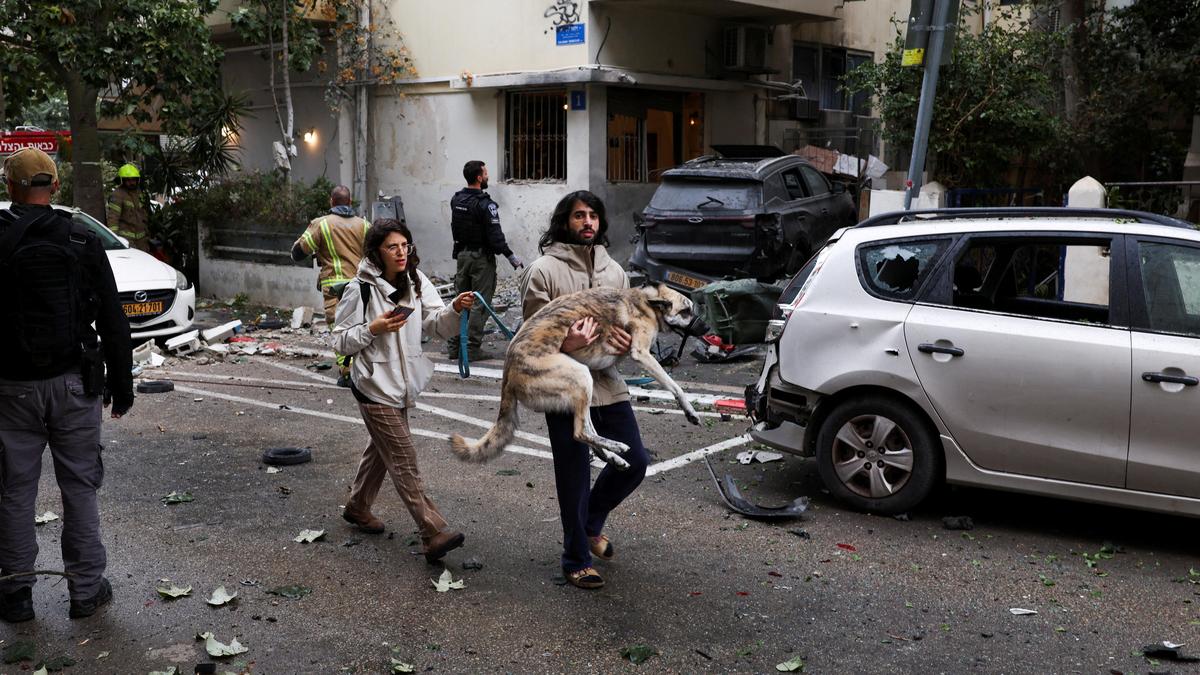
Tensions between Iran and the U.S. reached a boiling point on April 2, 2026, as Iran launched missiles toward Tel Aviv in response to U.S. President Donald Trump’s vow to bomb the Islamic republic “back to the Stone Ages.” This escalation follows over a month of U.S.-Israeli strikes on Iran, which has since spread throughout the Middle East, causing significant global economic disruption. Despite ceasefire overtures, both sides remain entrenched, with Iran dismissing U.S. demands as “maximalist” and the U.S. threatening further attacks on key Iranian infrastructure.
Key Points:
- Iran fired missiles at Tel Aviv, with reports of injuries.
- President Trump threatened to bomb Iran “back to the Stone Ages” if a negotiated settlement isn’t reached.
- Iran’s military command center Khatam Al-Anbiya vowed “crushing, broader, and more destructive actions” against the U.S. and Israel.
- The attacks occurred during the Jewish holiday of Passover, forcing some Israelis into shelters.
- Talks between the U.S. and Iran are stalled, with Iran describing U.S. demands as “maximalist.”
- The U.S. has threatened to target Iran’s electric generating plants.
- Hezbollah launched drones and rockets at northern Israel, and Israel killed a top Hezbollah commander in Beirut.
- The conflict has impacted global oil prices and stock markets, raising concerns about inflation, jobs, and food security.
- The Strait of Hormuz remains a critical point of contention, with Iran threatening to close it to its “enemies.”
- Britain will lead a summit of 35 countries to discuss restoring freedom of navigation in the Strait of Hormuz.
- India will attend the U.K. led meeting on the Strait of Hormuz.
Critical Analysis:
The escalating conflict is fueled by deeply entrenched geopolitical tensions and the rhetoric of both sides. President Trump’s aggressive stance, coupled with Iran’s defiant response, has created a dangerous cycle of escalation. The mention of intermediaries, including Pakistan, suggests attempts at de-escalation are underway, but the lack of direct negotiation highlights the deep distrust between the two nations. The attacks on UNIFIL soldiers and the former Iranian FM’s home, while not directly attributed, contribute to the overall atmosphere of instability and suggest a widening scope of conflict.
Key Takeaways:
- The conflict between Iran and the U.S., with Israeli involvement, is rapidly escalating, posing a significant threat to regional and global stability.
- The failure of diplomatic efforts and the hardening of positions on both sides suggest a prolonged and potentially devastating conflict.
- The Strait of Hormuz is a crucial chokepoint that could have catastrophic consequences for the global economy if disrupted.
- The involvement of non-state actors like Hezbollah further complicates the conflict and increases the risk of broader regional war.
- The global economic fallout, particularly rising oil prices and market instability, underscores the far-reaching impact of this conflict.
Impact Analysis:
This event series has profound and long-term implications:
- Regional Instability: The ongoing conflict risks destabilizing the entire Middle East, potentially drawing in other regional powers and exacerbating existing sectarian tensions.
- Global Economic Crisis: Disruption to oil supplies and global trade routes through the Strait of Hormuz could trigger a severe global economic recession.
- Humanitarian Crisis: The continued fighting will likely result in a significant humanitarian crisis, with widespread displacement, casualties, and food shortages.
- **Shifting
 First Piper