
Thu Apr 02 15:50:31 UTC 2026: ### U.S. Threatens Iran with “Stone Age” Strikes as Regional Tensions Escalate
The Story:
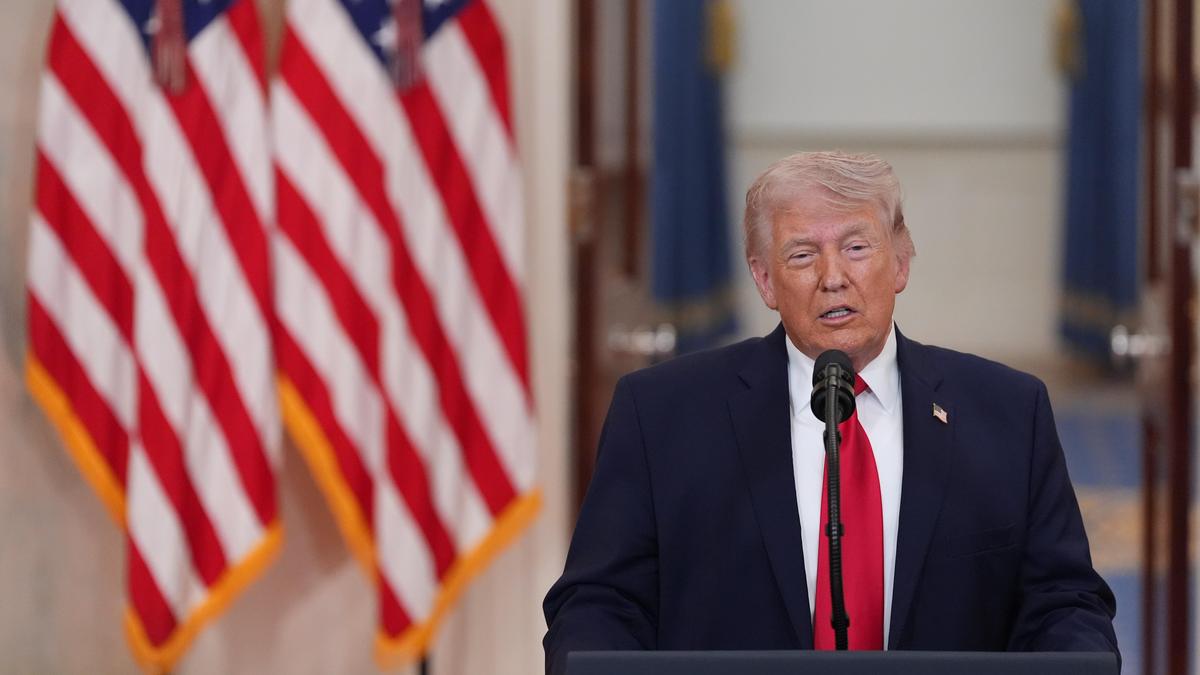
On April 2, 2026, tensions in the Middle East reached a boiling point as U.S. President Donald Trump threatened Iran with devastating strikes, promising to bomb the country “into the Stone Ages” within weeks. This aggressive rhetoric came amidst ongoing military operations that began on February 28, 2026, and followed Iranian missile fire towards Israel. The conflict has deepened with Iran effectively blocking the Strait of Hormuz, a crucial global oil transit route, prompting international concern and a British-led meeting of 35 nations to discuss reopening the waterway.
Key Points:
- President Trump vowed “extremely hard” strikes against Iran in the next two to three weeks, aiming to complete U.S. military objectives “shortly.”
- Iran fired missiles at Israel after Trump’s threats, escalating the conflict.
- The Strait of Hormuz remains effectively blocked by Iran, disrupting global oil supplies and causing prices to surge.
- The U.S.-Israeli strikes resulted in the death of Iran’s Supreme Leader Ayatollah Ali Khamenei, succeeded by his son.
- Ceasefire overtures from the U.S. have been rejected by Iran, who deem them “maximalist and irrational.”
- Hezbollah launched drone and rocket attacks on northern Israel, further widening the conflict.
- Trump assured regional allies like Israel, Saudi Arabia, and Gulf nations of U.S. protection against Iranian retaliation.
Critical Analysis:
The timing of Trump’s address, coupled with the sinking approval ratings mentioned in the article, suggests a possible attempt to rally domestic support through a show of force abroad. The reference to “less radical and much more reasonable” new Iranian leadership also hints at a strategic shift towards potential negotiation, albeit under significant pressure. The mention of Pakistan acting as an intermediary suggests established diplomatic channels are still functioning, despite the open hostility.
Key Takeaways:
- The conflict between the U.S. and Iran is rapidly escalating, with potentially devastating consequences.
- The blockage of the Strait of Hormuz poses a significant threat to the global economy.
- Regional allies of the U.S., particularly Israel and Gulf nations, are highly vulnerable to Iranian retaliation.
- Despite the aggressive rhetoric, there are indications that the U.S. may be open to negotiations with the new Iranian leadership.
- The conflict is exacerbating internal tensions within Iran, with some citizens longing for political change.
Impact Analysis:
The ongoing conflict between the U.S. and Iran has far-reaching implications for global security and stability. The disruption of oil supplies through the Strait of Hormuz could trigger a global recession. The conflict also risks further destabilizing the Middle East, potentially drawing in other regional actors. The internal dynamics within Iran, particularly the desire for political change expressed by some citizens, could be significantly impacted by the outcome of the conflict. The loss of life and infrastructure damage will have lasting consequences.
 First Piper