
Thu Apr 02 14:22:35 UTC 2026: # Parliament Extends Budget Session to Address Women’s Reservation Act Amendments
The Story:
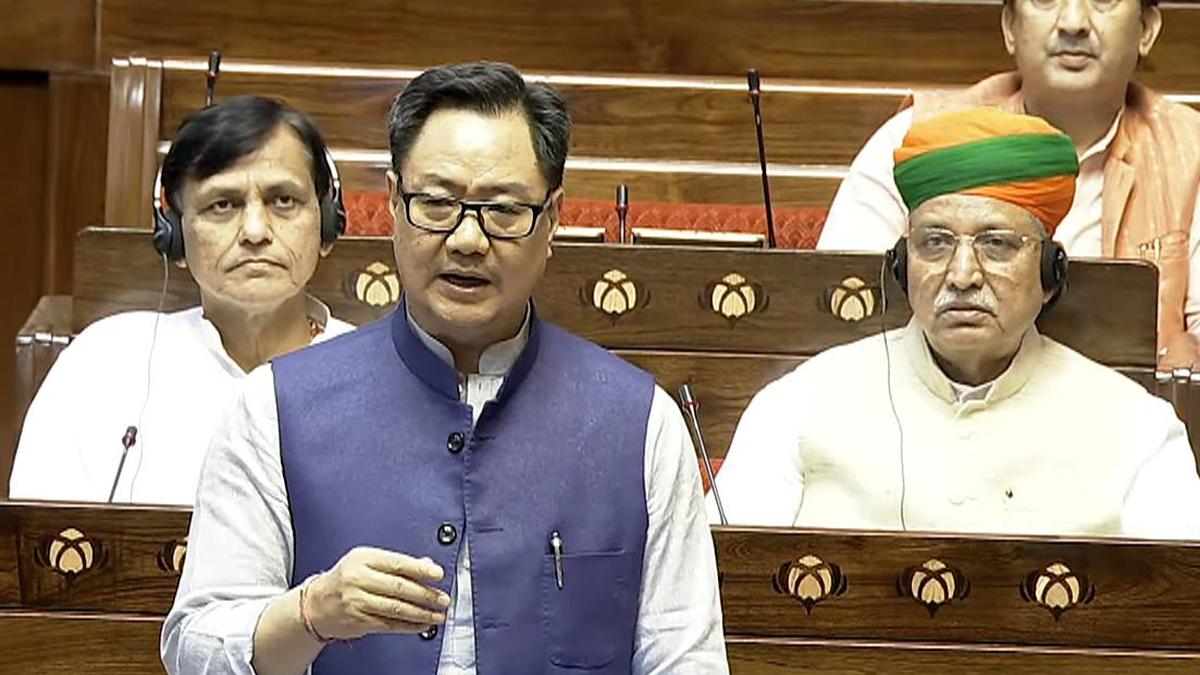
The Budget Session of Parliament has been extended by two days, reconvening on April 16, 2026, and concluding on April 18, 2026, to address amendments to the Constitution (One Hundred and Sixth Amendment) Act, also known as the Women’s Reservation Act, 2023. Union Parliamentary Affairs Minister Kiren Rijiju announced the extension, emphasizing the government’s commitment to fulfilling its promise to reserve 33% of seats in the Lok Sabha and State Assemblies for women. The announcement followed demands from the Congress party for clarity on the session’s schedule.
Key Points:
- The Budget Session is extended to debate amendments to the Women’s Reservation Act, 2023.
- The session will reconvene on April 16, 2026, and end on April 18, 2026.
- Congress raised concerns about the lack of clarity on the session’s schedule and accused the government of pushing legislation during the Model Code of Conduct.
- Kiren Rijiju stated that the government had consulted with most political parties and shared its legislative agenda.
- The Congress party reportedly did not engage with the government in these consultations.
Key Takeaways:
- The government is prioritizing the Women’s Reservation Act, even extending the parliamentary session to address it.
- There is political disagreement on the timing and process of legislating during the Model Code of Conduct, with the Congress party expressing strong opposition.
- The government claims to have consulted with most parties, suggesting an attempt to build consensus, while the Congress claims otherwise.
Impact Analysis:
The extension of the Budget Session to address the Women’s Reservation Act signals a significant commitment from the government towards gender equality in political representation. However, the controversy surrounding the timing of the legislation during the Model Code of Conduct raises concerns about political motivations and potential impacts on the fairness of the electoral process. The successful passage and implementation of the amendments could have a lasting impact on the composition of the Lok Sabha and State Assemblies, potentially leading to greater representation of women in Indian politics.
 First Piper