
Thu Apr 02 17:40:46 UTC 2026: # Strait of Hormuz Crisis: India Calls for De-escalation Amidst International Efforts to Reopen Vital Waterway
The Story:
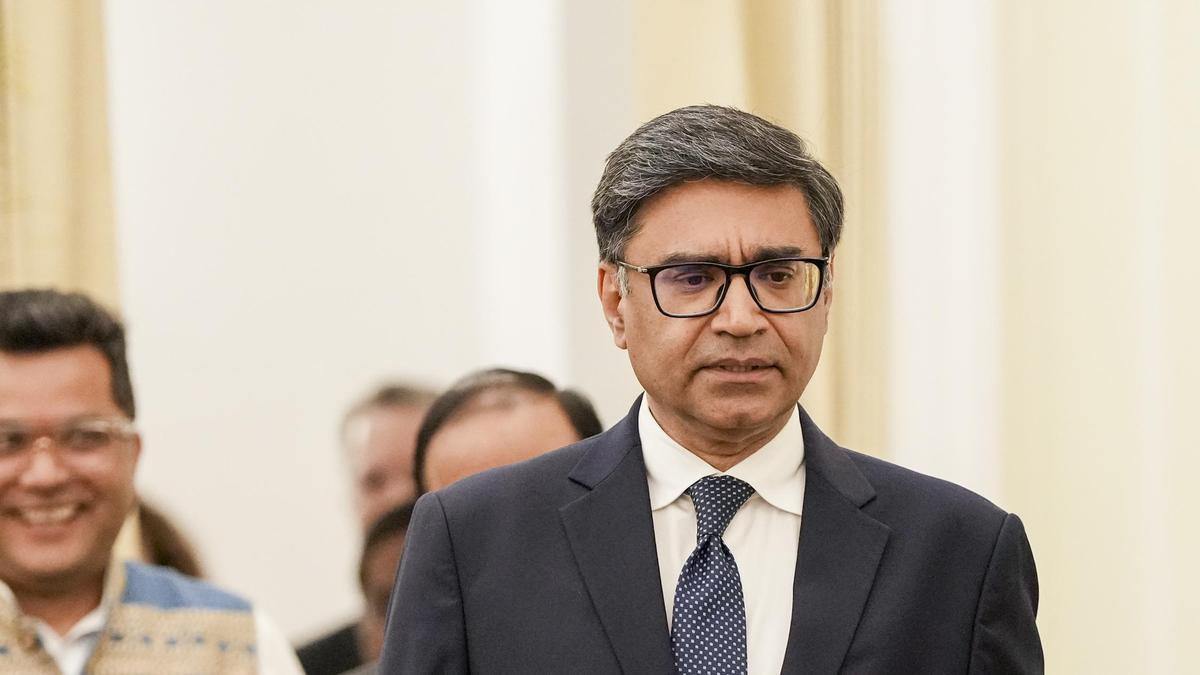
On April 2, 2026, Indian Foreign Secretary Vikram Misri participated in a U.K.-hosted meeting with foreign ministers and officials from over 40 countries to address the crisis in the Strait of Hormuz. The Strait, a crucial waterway for global fuel shipments, has been effectively sealed off by Iran following the war with Israel and the U.S., leading to attacks on vessels and the trapping of thousands of seafarers. The international community is exploring diplomatic and political tools to reopen the Strait, with India emphasizing the importance of freedom of navigation and the impact on its energy security.
Key Points:
- The meeting was convened by the U.K. in response to Iran’s closure of the Strait of Hormuz.
- Vikram Misri highlighted the impact of the crisis on India’s energy security and the loss of Indian mariners in attacks.
- The participants called for the “immediate and unconditional opening” of the Strait.
- Possible coordinated actions discussed included international diplomatic pressure, economic sanctions, and information sharing.
- Yvette Cooper, the British Foreign Secretary, stated that over 25 attacks on vessels in the Strait had occurred, trapping approximately 20,000 seafarers on 2,000 vessels.
- Emmanuel Macron, the French President, deemed the use of force to open the Strait “unrealistic” and advocated for dialogue with Iran.
- India is among a select few nations whose ships are passing through the Strait following Iranian approval.
- Iran has begun implementing a toll collection system for ships passing through the Strait.
Critical Analysis:
The fact that the U.K. is hosting this meeting, coupled with the U.S. President suggesting the Strait’s users should open it, indicates a reluctance from the U.S. to take immediate, direct action. The European push for dialogue highlights a transatlantic divide on how to handle Iran. India’s position, emphasizing de-escalation and dialogue while also acknowledging the impact on its energy security and the loss of its citizens, reflects a pragmatic approach aimed at balancing its interests with regional stability.
Key Takeaways:
- The Strait of Hormuz crisis is a major international concern due to its impact on global energy supplies and maritime security.
- There is a divergence of opinion among major powers on how to resolve the crisis, with the U.S. seemingly favoring a more assertive approach while European nations prefer diplomacy.
- India’s energy security is directly threatened by the closure of the Strait, and the safety of its mariners is a paramount concern.
- Iran’s implementation of a toll system suggests an attempt to leverage the situation for economic gain.
- The crisis underscores the importance of international cooperation and diplomatic solutions to maintain freedom of navigation in critical waterways.
Impact Analysis:
The long-term impact of the Strait of Hormuz crisis could be significant. If unresolved, it could lead to:
- Increased energy prices globally, impacting economies worldwide.
- Further instability in the Middle East, potentially escalating into a broader conflict.
- A shift in global trade routes, as countries seek alternative pathways for fuel shipments.
- Increased militarization of the region, as nations seek to protect their interests in the Strait.
- A test of international law and the principle of freedom of navigation, potentially setting a precedent for similar actions in other strategic waterways.
 First Piper