
Thu Apr 02 05:34:27 UTC 2026: ### Headline: Homicide Ruling in Death of Blind Rohingya Refugee Sparks Outcry and Calls for Investigation
The Story:
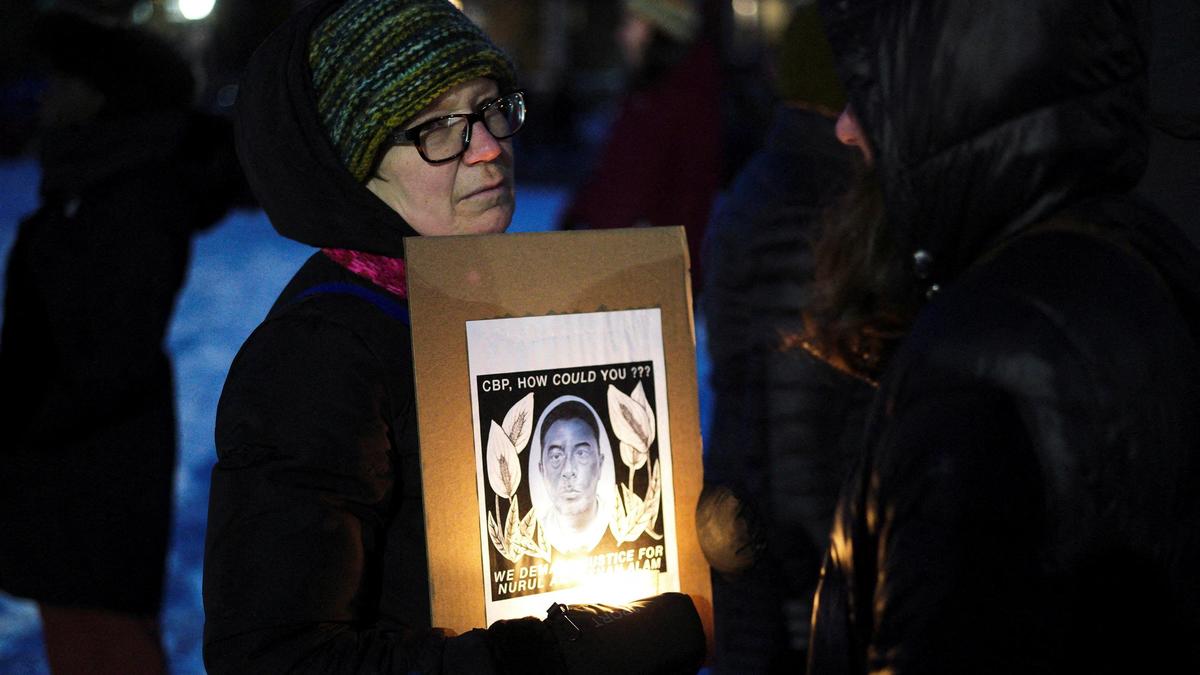
The death of Nurul Amin Shah Alam, a nearly blind Rohingya refugee from Myanmar, has been ruled a homicide, sparking outrage and demands for a criminal investigation. Shah Alam was found dead in Buffalo, New York in February 2026, five days after being released from jail and left at a Tim Hortons restaurant by U.S. Border Patrol agents. The Erie County Medical Examiner’s Office determined that his death resulted from complications of a perforated duodenal ulcer, precipitated by hypothermia and dehydration. While the homicide ruling indicates the death resulted from another’s actions or inaction, it does not automatically imply a crime was committed.
The case has drawn criticism from immigrant advocates, local officials, and New York’s Governor, Kathy Hochul, who have all called for accountability and a thorough investigation into the circumstances surrounding Shah Alam’s death. The Border Patrol maintains that Shah Alam showed no signs of distress when he was released, while the Department of Homeland Security has denounced news coverage as an attempt to demonize law enforcement.
Key Points:
- Nurul Amin Shah Alam, a 56-year-old nearly blind Rohingya refugee, was found dead in Buffalo, NY on February 24, 2026, five days after being released by Border Patrol.
- The Erie County Medical Examiner ruled the death a homicide, caused by complications from a perforated duodenal ulcer, hypothermia, and dehydration.
- Shah Alam had been released from Erie County jail on February 19, 2026, after pleading guilty to misdemeanor charges following an incident with police in 2025.
- Border Patrol claims Shah Alam showed no signs of distress and was left at a Tim Hortons restaurant near his last known address.
- Immigrant advocates and local officials, including Governor Kathy Hochul, are calling for a criminal investigation into the Border Patrol’s conduct.
- Shah Alam arrived in the U.S. as a refugee from Myanmar in December 2024 with his wife and two children.
Key Takeaways:
- The case highlights the vulnerability of refugees and the potential for systemic failures in providing adequate care and protection upon arrival in the U.S.
- The conflicting narratives between law enforcement and immigrant advocates underscore the deep divisions and mistrust surrounding immigration policies and practices.
- The homicide ruling, while not a criminal conviction, places significant pressure on law enforcement agencies to conduct a thorough investigation and determine whether any negligence or misconduct contributed to Shah Alam’s death.
- The case raises questions about the protocols for releasing individuals with disabilities from custody and the responsibility of government agencies to ensure their safety and well-being.
- The incident has the potential to further strain relations between law enforcement and immigrant communities, potentially leading to increased fear and reluctance to cooperate with authorities.
 First Piper