
Thu Apr 02 02:14:08 UTC 2026: # India Launches Digital Census 2027 with Self-Enumeration Option
The Story:
India has commenced its Census 2027 on April 1, 2026, marking a significant shift towards a fully digital census. The exercise includes a self-enumeration facility, allowing citizens to provide their household information online before official enumerators conduct house visits. This initiative aims to streamline the data collection process and enhance citizen participation across the country.
Key Points:
- Census 2027 is a nationwide demographic, social, and economic data collection exercise.
- Self-enumeration began on April 1, 2026, providing citizens the option to fill out census forms online in any of 16 languages.
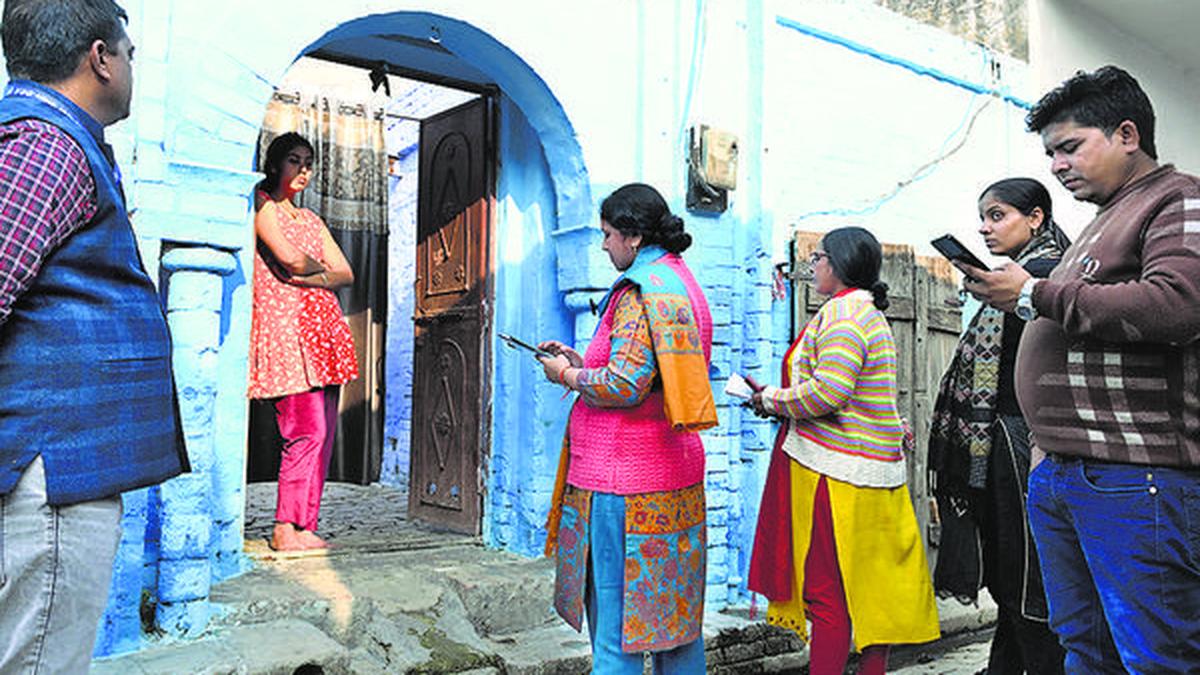
- The census will be completely digital, with enumerators using mobile applications for data recording.
- The first phase consists of 33 questions, covering various household details.
- Caste enumeration will be conducted in the second phase, scheduled for February 2027.
- Most data sets are expected to be published within 2027, due to the digital data collection and processing.
- The 2021 census was postponed due to the COVID-19 pandemic.
- The exercise is managed by the Office of the Registrar General and Census Commissioner under the Ministry of Home Affairs.
- 55,000 households used the self-enumeration portal on the first day.
Key Takeaways:
- India’s adoption of a fully digital census represents a significant advancement in data collection methodology, promising faster processing and dissemination of information.
- The self-enumeration option empowers citizens to participate more actively in the census process, potentially leading to more accurate and comprehensive data.
- The inclusion of caste enumeration in the second phase highlights the continued importance of caste-based data in Indian policymaking and social analysis.
- The successful launch of the self-enumeration portal, as evidenced by the initial user response, indicates a positive reception to the digital approach.
- The digital census aims to overcome the delays experienced with the 2021 census, ensuring timely availability of crucial demographic data.
Impact Analysis:
The digital Census 2027 has the potential to transform governance and policy-making in India. The near real-time data processing will enable more responsive and evidence-based policy interventions. Moreover, the comprehensive demographic data collected will inform resource allocation, infrastructure planning, and social programs at the national and state levels. The inclusion of caste enumeration will likely fuel debates on affirmative action and social justice policies. The success of this digital census could also serve as a model for other large-scale data collection efforts in India and globally.
 First Piper