
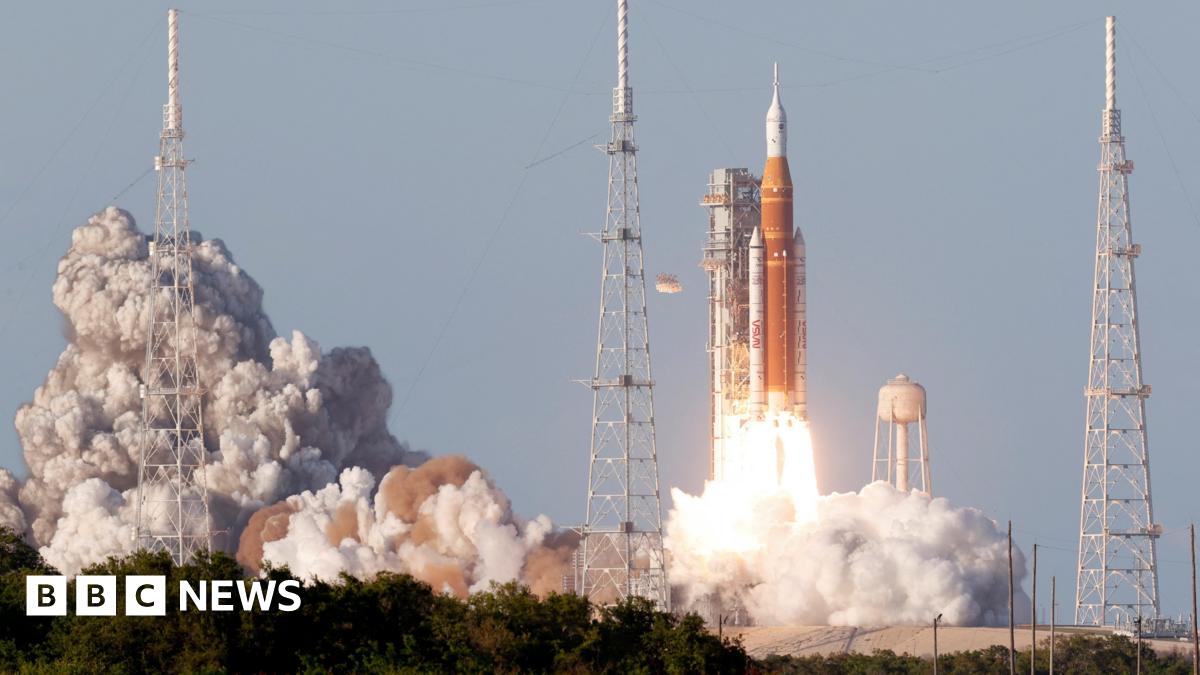
Wed Apr 01 16:50:00 UTC 2026: Headline: Artemis II Mission Launches, Marking a New Era in Lunar Exploration
The Story:
After years of planning and overcoming last-minute technical hurdles, NASA’s Artemis II mission successfully launched from the Kennedy Space Center in Florida. The historic mission, the first crewed mission around the Moon in over 50 years, carries four astronauts – Reid Wiseman, Victor Glover, Christina Koch, and Jeremy Hansen – on a 10-day journey. While the mission won’t land on the Moon, it aims to circle it, venturing further from Earth than any human has before. The launch was met with euphoria at the space center, as staff celebrated a significant milestone in the pursuit of long-term lunar presence.
Key Points:
- The Artemis II mission is NASA’s first crewed mission around the Moon in over 50 years.
- The mission carries four astronauts: Reid Wiseman, Victor Glover, Christina Koch, and Jeremy Hansen.
- The spacecraft will travel further from Earth than any human has before.
- A battery temperature issue with the Launch Abort System caused a brief hold in the countdown at T-10 minutes, but was resolved.
- The mission’s objectives include testing the Orion capsule’s autopilot and thrusters in preparation for future lunar landings and a long-term lunar presence.
- The launch window opened successfully after final checks, and the initial stages of the launch went according to plan.
Critical Analysis:
The Artemis II launch occurred amidst a backdrop of continued space activity, evidenced by the SpaceX Transporter-16 mission and a record 34th launch of a Falcon 9 booster on a Starlink delivery mission. This indicates a sustained and growing commercial and governmental interest in space exploration and utilization. The Artemis program represents a significant step in NASA’s long-term strategy of establishing a permanent presence on the Moon, leveraging technological advancements and international partnerships.
Key Takeaways:
- Artemis II represents a major step forward in human space exploration, signaling a renewed focus on lunar missions.
- The successful launch demonstrates the resilience and adaptability of NASA’s engineering teams in overcoming technical challenges.
- The mission serves as a crucial testing ground for technologies and procedures essential for future lunar landings and a sustained lunar presence.
- The concurrent activities of SpaceX highlight the increasing role of commercial space companies in supporting and advancing space exploration efforts.
- The Artemis program is not merely about returning to the Moon but establishing a long-term, sustainable presence there.
Impact Analysis:
The Artemis II mission has significant long-term implications for space exploration. It paves the way for future missions that will land on the Moon, establish a lunar base, and eventually utilize lunar resources. The data and experience gained from Artemis II will be invaluable in designing and executing these more complex missions. Furthermore, the mission fosters international collaboration and inspires a new generation of scientists, engineers, and explorers. The long-term impact includes potential advancements in areas such as robotics, materials science, and energy production, driven by the challenges and opportunities presented by lunar exploration.
 First Piper