
Thu Apr 02 01:25:46 UTC 2026: # Artemis II Launches, Ushering in New Era of Lunar Exploration
The Story:
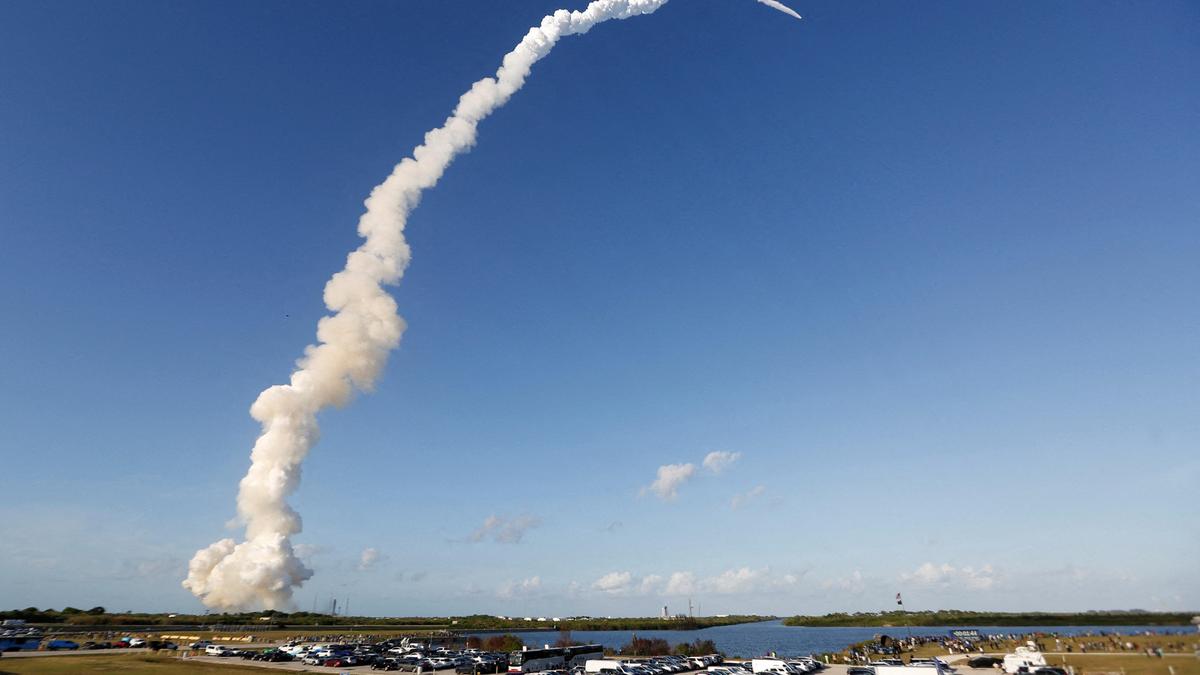
NASA’s Artemis II mission successfully launched from the Kennedy Space Center on Wednesday, April 1, 2026, carrying four astronauts on a historic journey around the moon. This marks humanity’s first lunar voyage in over five decades and serves as the crucial precursor to NASA’s ambitious plans for a lunar landing in 2028 and a permanent moon base. The crew, led by Commander Reid Wiseman, includes pilot Victor Glover, Christina Koch, and Jeremy Hansen, representing the first woman, person of color, and non-U.S. citizen to travel to the moon, respectively.
The mission involves a roughly 10-day out-and-back trip, during which the Orion capsule will travel several thousand miles beyond the moon before returning to Earth. While no lunar landing is planned for this mission, it is a vital test of the Orion capsule’s systems and capabilities for future lunar missions. Early hiccups included a brief communication blackout and a malfunctioning toilet, both of which were addressed by mission control.
Key Points:
- Artemis II launched on April 1, 2026, from Cape Canaveral, Florida.
- The mission is a flyby of the moon, lasting less than 10 days.
- The crew consists of Reid Wiseman, Victor Glover, Christina Koch, and Jeremy Hansen, making it the most diverse lunar crew ever.
- The mission’s objective is to test the Orion capsule and prepare for a lunar landing in 2028.
- Early issues included a communication loss and a toilet malfunction, which were resolved or addressed.
Key Takeaways:
- Artemis II represents a significant milestone in renewed lunar exploration efforts.
- The mission is a crucial stepping stone toward establishing a permanent human presence on the moon.
- The diversity of the Artemis II crew highlights a commitment to inclusivity in space exploration.
- Early technical challenges underscore the complexities and risks associated with space travel.
- The success of Artemis II sets the stage for future, more ambitious lunar missions.
Impact Analysis:
The Artemis II mission carries profound long-term implications:
- Technological Advancement: The mission will drive innovation in spacecraft design, life support systems, and lunar resource utilization, benefiting various industries.
- Economic Growth: The Artemis program is expected to stimulate economic growth through job creation, technology development, and private sector involvement in space exploration.
- Scientific Discovery: A permanent lunar base will enable groundbreaking research in planetary science, astrophysics, and the search for extraterrestrial life.
- International Collaboration: The Artemis program fosters international collaboration, strengthening diplomatic ties and promoting shared goals in space exploration.
- Inspiration and Education: The Artemis missions will inspire future generations of scientists, engineers, and explorers, fostering a passion for STEM fields and exploration.
 First Piper