
Thu Apr 02 03:16:08 UTC 2026: ### India Doubles Down on Coal Amid Heatwave Concerns, Risks Renewable Energy Curtailment
The Story:
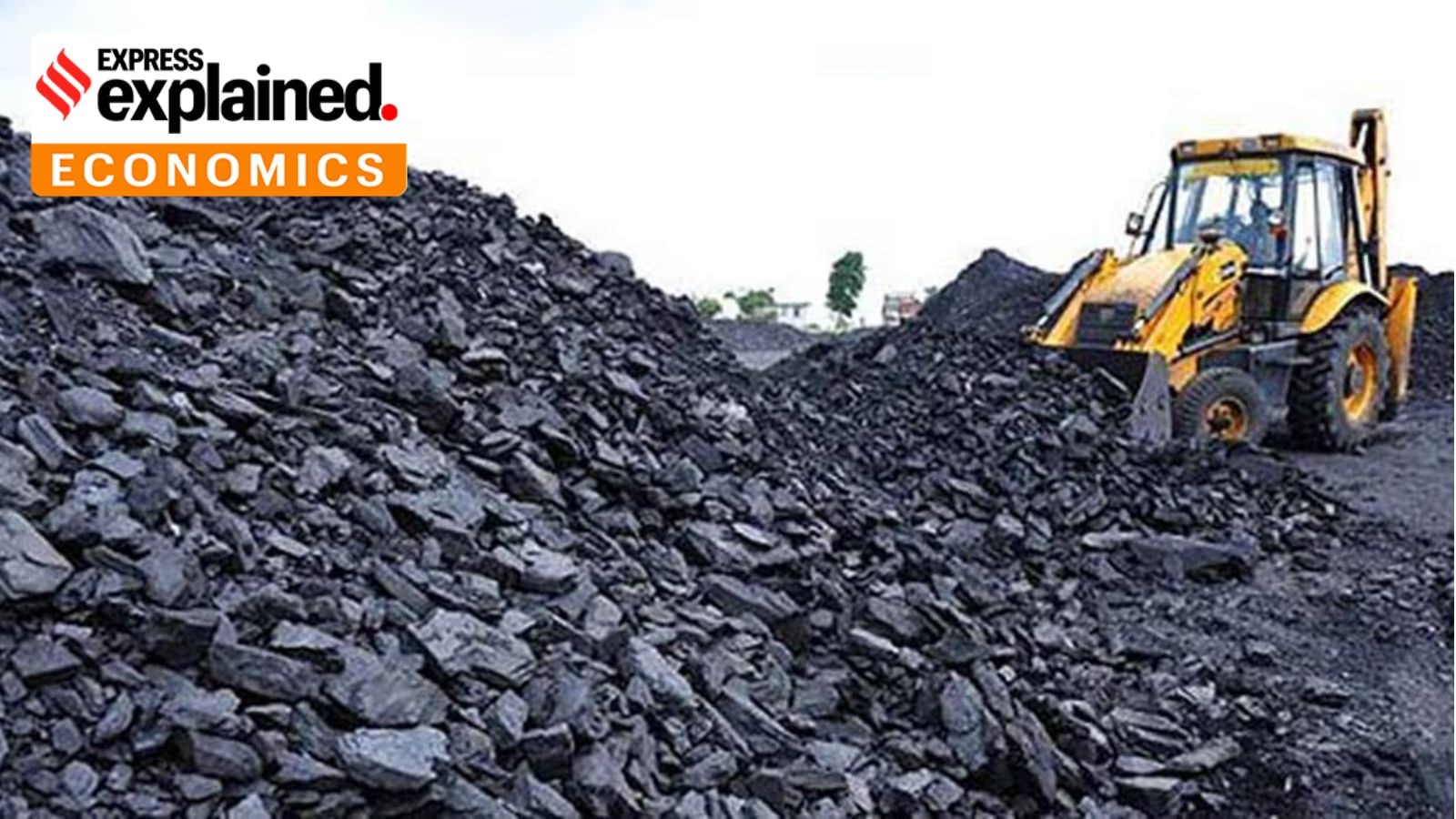
As India braces for a hotter-than-normal summer with an expected surge in heatwave days, the government is prioritizing coal-based power generation to meet peak electricity demand. This decision comes despite gas supply constraints stemming from ongoing conflicts in West Asia, which have impacted the availability of gas for power plants. While gas contributes only a small fraction to the overall energy mix, it is crucial for grid stability during peak demand hours, especially when solar power is unavailable. The government aims to compensate for reduced gas-based generation by increasing reliance on coal, renewables, and energy storage systems.
However, experts warn that this strategy could lead to the curtailment of renewable energy, particularly solar, due to the operational inflexibility of coal plants. The prioritization of coal could force cheaper renewable energy sources to be cut off, potentially undermining India’s clean energy transition goals.
Key Points:
- India anticipates a hotter-than-normal summer with above-average heatwave days.
- The government plans to rely more on coal-based power to meet peak summer demand due to gas supply constraints from the West Asia conflict.
- Gas-based power, though a small part of the energy mix, is important for grid stability during non-solar hours.
- Increased coal reliance could lead to curtailment of renewable energy, especially solar.
- Coal-based power already dominates India’s electricity generation, contributing over 70%.
- The government has directed Tata Power to operate its 4 GW imported coal-based plant in Gujarat at full capacity, resuming operations from April 1.
- Between May and November last year, India curtailed as much as 23 gigawatts (GW) of renewable energy.
Critical Analysis:
The historical context reveals a complex situation. Geopolitical tensions, specifically the “West Asia war” mentioned in the context of “bag shortage” impacting wheat procurement, are now directly influencing India’s energy policy. The government’s decision to prioritize coal stems from immediate supply concerns exacerbated by the conflict, forcing a trade-off between short-term energy security and long-term environmental goals. This highlights the vulnerability of India’s energy sector to external geopolitical events and the challenges of transitioning to a cleaner energy mix in the face of immediate crises.
Key Takeaways:
- Geopolitical instability significantly impacts India’s energy policy decisions.
- Reliance on coal for peak demand poses a threat to renewable energy integration and curtailment.
- Grid flexibility and energy storage are crucial for accommodating increasing renewable energy penetration.
- The government faces a difficult balancing act between ensuring energy security and pursuing clean energy goals.
- Lowering the Minimum Technical Load (MTL) of coal plants is essential for accommodating renewable energy.
Impact Analysis:
The increased reliance on coal could have the following long-term implications:
- Environmental Impact: Higher carbon emissions and air pollution, hindering India’s climate change commitments.
- Economic Impact: Potential stranded assets if renewable energy curtailment becomes a persistent issue.
- Energy Security: Vulnerability to coal supply disruptions and fluctuating global coal prices.
- Technological Development: Slower adoption of energy storage solutions and grid modernization technologies.
- Policy Implications: Increased pressure to develop flexible grid infrastructure and incentivize renewable energy integration. The historical context suggests that these issues are likely to persist until geopolitical tensions ease and alternative solutions are scaled up.
 First Piper