
Wed Apr 01 17:27:23 UTC 2026: ### Headline: India Launches Digital and Caste-Based Census 2027 with Self-Enumeration Option
The Story:
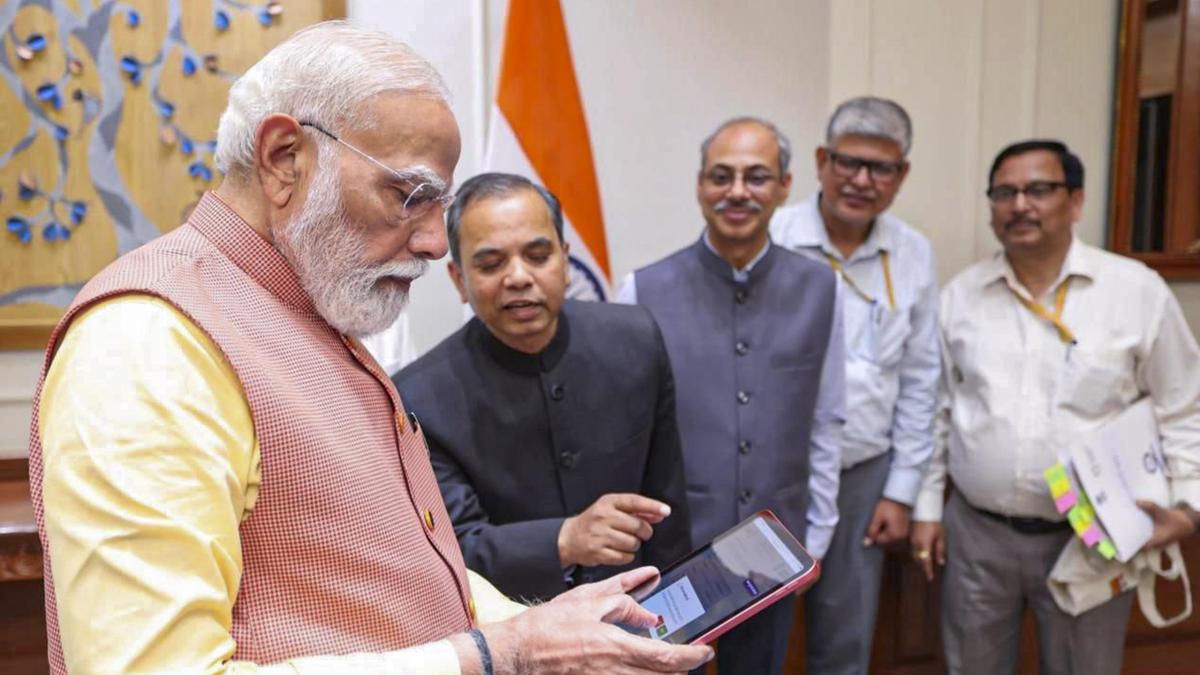
India has commenced its 2027 census, marking a significant shift towards digital data collection and the inclusion of caste enumeration. The first phase began on April 1, 2026, in eight States and Union Territories, allowing citizens to self-enumerate through an online portal. High-profile figures, including President Droupadi Murmu, Vice-President C.P. Radhakrishnan, Prime Minister Narendra Modi, and Union Home Minister Amit Shah, were among the first to participate. The online data will be verified by enumerators during door-to-door surveys commencing April 16, 2026.
Key Points:
* Self-enumeration portal went live on April 1, 2026, in eight States and Union Territories.
* Around 55,000 households used the self-enumeration portal on the first day.
* The census includes 33 questions in the first phase, focusing on housing and household amenities.
* This is the first digital census, the first to enumerate caste, and the first to allow self-enumeration.
* The self-enumeration portal is available in 16 regional languages.
* Door-to-door enumeration will commence 15 days after the portal launch.
* The second phase, collecting individual information including religion and caste, is scheduled for February 2027 in remaining states.
* Data security is ensured through robust encryption and multi-factor authentication.
Critical Analysis:
The simultaneous launch of the digital census with caste enumeration and the PMK’s call for a caste census in Tamil Nadu suggest increasing political and social pressure to quantify caste demographics. This could be driven by a desire to better target welfare programs or address historical inequalities. The early adoption by key political figures signals a strong endorsement and encourages public participation.
Key Takeaways:
* India’s 2027 census marks a significant digital transformation in data collection.
* The inclusion of caste enumeration is a politically and socially sensitive move with potential implications for policy and resource allocation.
* The self-enumeration option aims to improve data accuracy and public engagement.
* Data security is a paramount concern, with measures in place to protect sensitive information.
* The phased rollout allows for logistical adjustments and ensures comprehensive coverage across diverse regions.
Impact Analysis:
The 2027 census, with its digital and caste-based approach, will have far-reaching implications. The data collected will inform policy decisions related to social welfare, economic development, and political representation. The enumeration of caste could lead to increased demands for affirmative action and social justice initiatives. Furthermore, the digital infrastructure established for the census could be leveraged for other government services and data-driven governance in the future. The success of this census will set a precedent for future data collection efforts in India and potentially in other countries.
 First Piper