
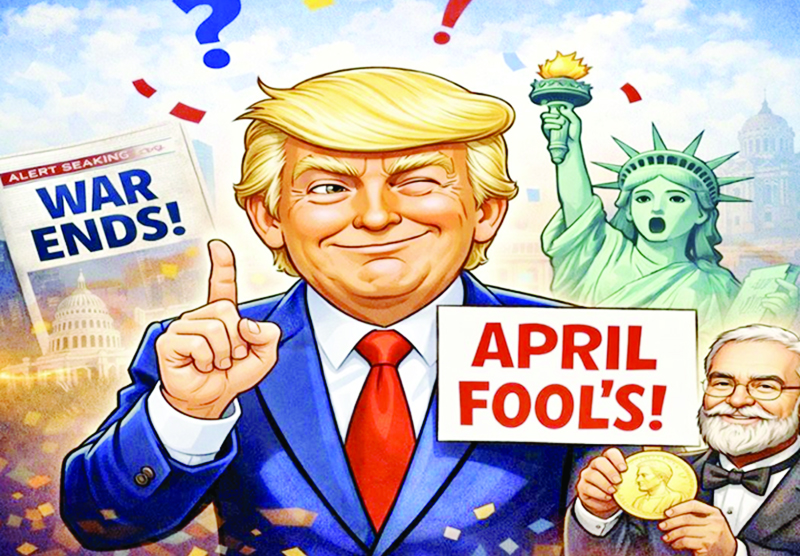
Wed Apr 01 01:30:00 UTC 2026: ### The Blurring Lines of Reality: April Fool’s Day in the Age of Misinformation
The Story:
In 2026, April Fool’s Day is no longer just a day of harmless pranks, but a reflection of the digital age where the line between reality and satire has become increasingly blurred. Ankit Sharma’s analysis highlights how the speed of information dissemination, fueled by AI and social media, has transformed the nature of pranks. The article argues that even real-world events, particularly those involving public figures like Donald Trump, can feel like elaborate hoaxes, making it difficult to discern truth from fiction. This shift requires a new level of discernment and critical thinking to navigate the daily deluge of information.
Key Points:
- The origins of April Fool’s Day are linked to the shift from the Julian to the Gregorian calendar in the 16th century.
- The digital age, with AI and viral content, has redefined what it means to be “fooled.”
- Global brands like Google are becoming more cautious with April Fool’s jokes due to the prevalence of misinformation.
- Millennials remember April Fool’s Day as innocent fun, while Gen Z is more alert and questioning due to growing up in a digital ecosystem.
- Public figures like Donald Trump often create situations where reality feels like a prank.
- The real challenge in 2026 is not just to avoid being fooled on April Fool’s Day, but every day.
Key Takeaways:
- The speed and reach of digital information have made it harder to distinguish between truth and fiction.
- Critical thinking and verification are essential skills in the modern information landscape.
- Public figures can blur the lines between reality and satire through their actions and statements.
- The impact of being fooled can extend beyond embarrassment to influence opinions and decisions.
- April Fool’s Day serves as a reminder to pause, verify, and think before reacting to information.
 First Piper