
Wed Apr 01 09:09:46 UTC 2026: ### Headline: Indian Economy Faces Severe Downturn Amidst West Asia Conflict and Global Volatility in March 2026
The Story:
India’s economy experienced a tumultuous March 2026, marked by rising inflation, curtailed economic activity, and significant financial market disruptions. The primary catalyst appears to be the ongoing war in West Asia, specifically the conflict between the US and Israel against Iran, and Iran’s subsequent retaliation. This has led to soaring crude oil prices, with India’s crude oil basket surging to $112.39 per barrel in March, a 63% increase from February. The resulting economic uncertainty has triggered a massive outflow of foreign portfolio investments, exacerbating the rupee’s decline and causing a sharp fall in the stock market.
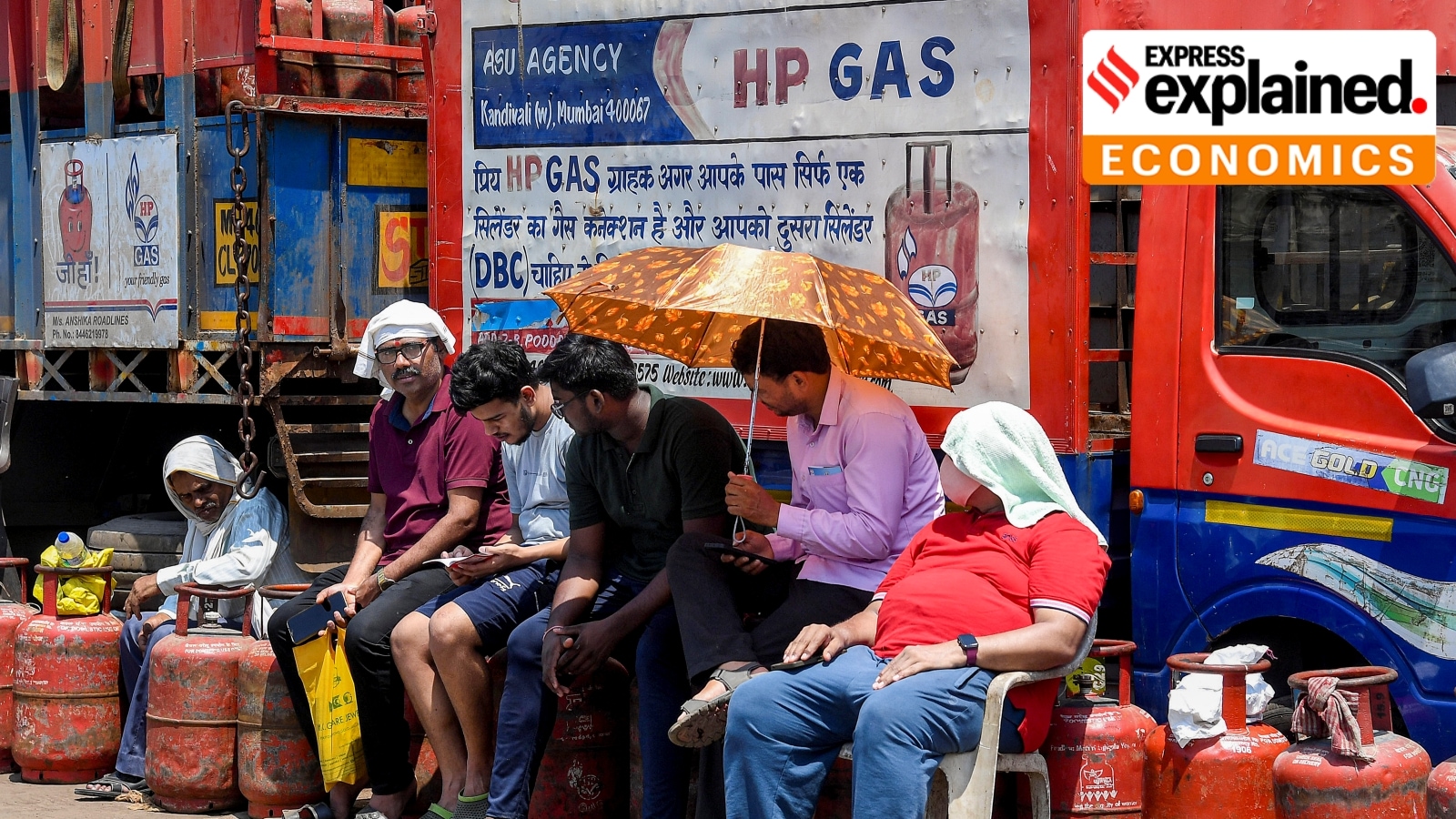
The economic fallout includes migrant laborers returning to their villages due to cooking gas scarcity, economists downgrading growth forecasts for 2026-27, and increased inflation projections. While the full impact on the “real” economy will be delayed, early indicators from financial markets suggest a severe downturn. The Reserve Bank of India (RBI) faces a challenging situation, with its upcoming Monetary Policy Committee (MPC) meeting expected to address these pressing issues.
Key Points:
- India’s crude oil basket surged to $112.39 per barrel in March 2026, a 63% increase from February.
- Foreign Portfolio Investors (FPIs) withdrew $13.6 billion from Indian financial markets in March, the second-largest outflow after March 2020.
- The rupee weakened by 4% against the dollar in March, hitting its worst level in almost 15 years.
- The Nifty fell 11% in March, turning a previous gain into a 5% loss, its worst showing in six years.
- Economists are downgrading growth forecasts for 2026-27 and raising inflation projections.
Critical Analysis:
The timing of this economic crisis is particularly sensitive. It follows Donald Trump’s “Liberation Day” reciprocal tariffs initiated at the start of 2025-26, suggesting that protectionist trade policies may have weakened India’s economic resilience, making it more vulnerable to external shocks like the West Asia conflict.
Key Takeaways:
- The conflict in West Asia is having a significant and immediate adverse impact on the Indian economy.
- India’s dependence on imported crude oil makes it highly susceptible to global energy price fluctuations.
- Foreign investor confidence in the Indian economy has been severely shaken.
- The RBI faces a difficult balancing act in managing inflation and supporting economic growth.
- Delayed economic data may mask the true extent of the crisis in the short term.
Impact Analysis:
The events of March 2026 have the potential for long-term economic consequences. The outflow of foreign investment could hinder future growth prospects, while rising inflation could erode consumer purchasing power and increase social unrest. The government’s response to this crisis will be crucial in determining the trajectory of the Indian economy in the coming years. If the conflict in West Asia persists, India may need to diversify its energy sources and strengthen its domestic manufacturing base to mitigate future economic shocks.
 First Piper