
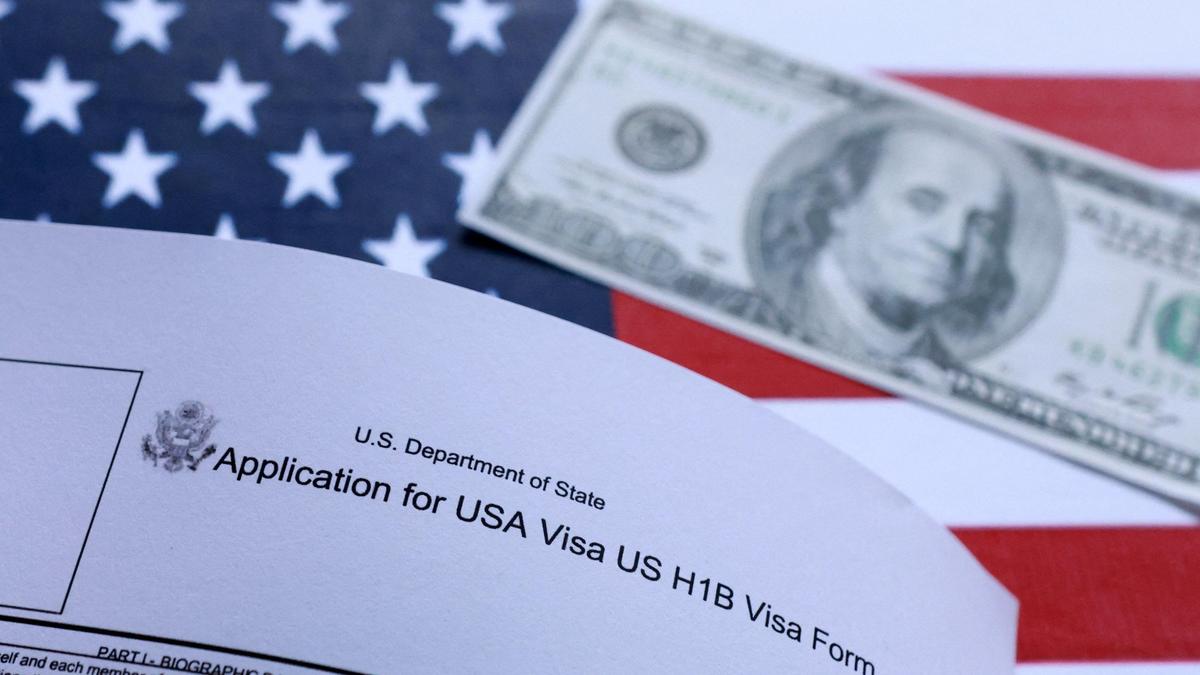
Wed Apr 01 04:55:01 UTC 2026: # US Reaches H-1B Visa Cap for FY 2027, Prioritizing Wage-Based Model
The Story
The U.S. Citizenship and Immigration Services (USCIS) announced on April 1, 2026, that it has reached the annual quota of 85,000 H-1B visas for the fiscal year 2027. The agency has completed the lottery selection process for both regular and advanced-degree applicants and has notified prospective petitioners. Simultaneously, the USCIS is implementing changes to the H-1B program, shifting towards a wage-based model that prioritizes applicants with higher salaries and skills. This move aims to align visa allocation with labor market needs and curtail potential misuse of the system. Additional changes include a substantial fee of $100,000 in specific cases for employers sponsoring workers from outside the United States, intended to encourage domestic recruitment.
Key Points
- USCIS reached the 85,000 H-1B visa cap for FY 2027.
- Lottery selection process completed for both regular and advanced-degree applicants.
- H-1B selection process is shifting to a wage-based model, prioritizing higher salaries and skills.
- A new fee of $100,000 applies in certain cases for employers sponsoring workers from outside the U.S.
- The filing period for H-1B cap-subject petitions will be at least 90 days, starting April 1, 2026.
- The annual regular cap for the H-1B category is 65,000, with an additional 20,000 visas for those with a U.S. master’s degree or higher.
Critical Analysis
The shift towards a wage-based model and the introduction of a substantial fee for overseas hiring signal a strategic move by the U.S. government. This policy shift likely aims to address concerns about the potential displacement of American workers by foreign labor and to ensure that H-1B visas are awarded to highly skilled individuals who can contribute significantly to the U.S. economy. The fee increase could also be a revenue-generating measure.
Key Takeaways
- The H-1B visa program remains a crucial pathway for foreign professionals, particularly those from India, seeking employment in the U.S.
- The emphasis on higher wages and skills will likely increase competition for H-1B visas, potentially favoring more experienced and highly qualified applicants.
- The new fee structure may make it more expensive for U.S. companies to hire foreign workers, potentially leading to increased domestic recruitment.
- These changes reflect an ongoing effort to reform the H-1B visa program to better align with U.S. economic and labor market needs.
- Applicants should ensure their applications are meticulously prepared and demonstrate the value they bring to the U.S. labor market.
Impact Analysis
The changes to the H-1B visa program will have significant long-term implications for both U.S. companies and foreign workers:
- For U.S. Companies: Companies may need to adjust their hiring strategies, potentially focusing more on domestic talent or being more selective about sponsoring foreign workers. The increased costs associated with sponsoring foreign workers could impact their bottom line.
- For Foreign Workers: Highly skilled and experienced professionals will likely have an advantage in the H-1B application process. Those with lower salaries or less specialized skills may find it more challenging to obtain a visa. This could lead to a shift in the demographics of H-1B visa holders.
- For the U.S. Economy: The long-term effect on the U.
 First Piper