
Tue Mar 31 20:50:18 UTC 2026: # American Journalist Shelly Kittleson Kidnapped in Baghdad Amidst Regional Tensions
The Story:
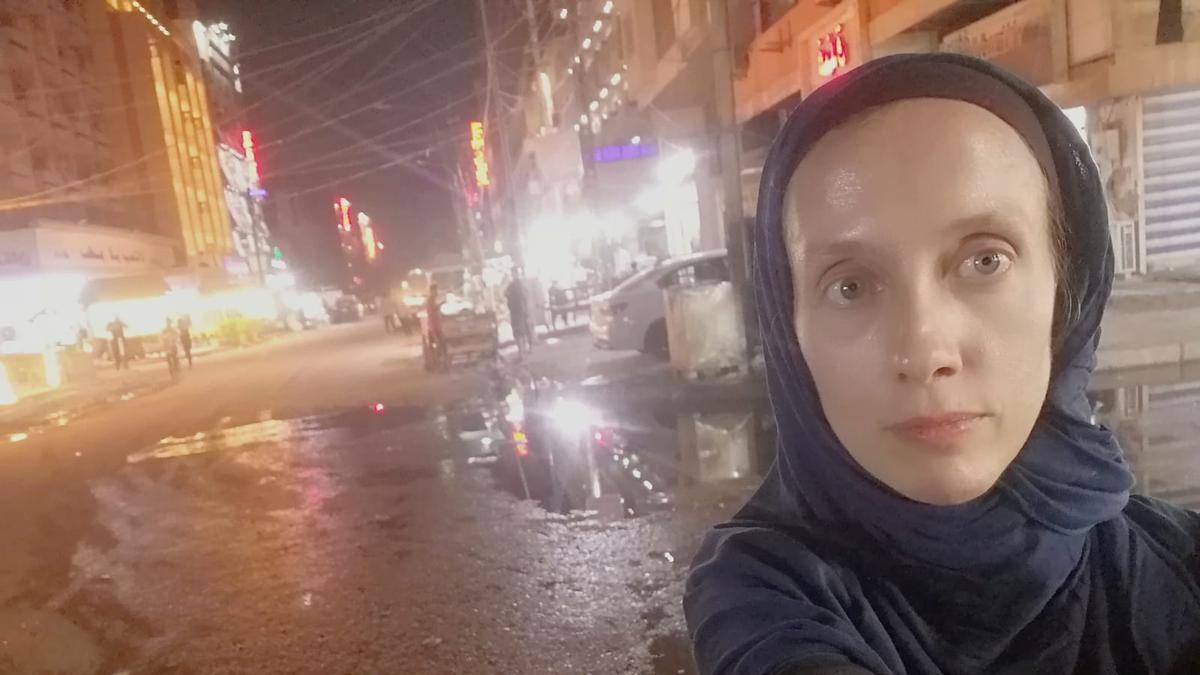
American freelance journalist Shelly Kittleson was kidnapped in Baghdad on March 31, 2026. Iraqi security forces are actively pursuing the captors. Initial reports indicate that Ms. Kittleson was taken from Saadoun Street in central Baghdad, and a pursuit ensued as the kidnappers fled southwest towards Babil province. While one vehicle was apprehended and a suspect arrested, Ms. Kittleson was transferred to another vehicle that escaped. The kidnapping occurs against a backdrop of ongoing regional conflict and heightened tensions involving U.S. facilities and Iran-backed militias.
Key Points:
- The kidnapping occurred on March 31, 2026, in Baghdad, Iraq.
- The victim is identified as American freelance journalist Shelly Kittleson.
- Iraqi security forces are pursuing the kidnappers, having apprehended one suspect and one vehicle.
- The kidnapping took place on Saadoun Street in central Baghdad.
- Al-Monitor, one of the outlets Ms. Kittleson contributed to, has called for her safe and immediate release.
- The U.S. State Department acknowledged the kidnapping and stated that the safety and security of Americans is their highest priority.
- The incident occurs amidst a regional war and attacks on U.S. facilities by Iran-backed militias.
- The U.S. Embassy had previously warned citizens of kidnapping risks and urged them to leave Iraq.
- Elizabeth Tsurkov, who was kidnapped in Baghdad in 2023 and released in September 2025, was previously held by the Iran-allied Iraqi militia Kataib Hezbollah.
Critical Analysis:
The kidnapping of Shelly Kittleson follows a concerning pattern of abductions in Iraq, particularly targeting individuals with connections to Western media or governments. The historical context indicates that foreign nationals, including journalists and researchers, have been vulnerable to kidnapping by various factions, including Iran-backed militias. The timing of this kidnapping, amidst a regional war and attacks on U.S. facilities, suggests that it could be related to the ongoing tensions and potentially used as leverage against the U.S.
Key Takeaways:
- Journalists operating in conflict zones face extreme risks, including kidnapping.
- The security situation in Iraq remains volatile, with a continued threat of abduction, particularly for Westerners.
- Regional conflicts and geopolitical tensions significantly increase the risk of kidnapping in affected areas.
- The incident highlights the complex relationship between the Iraqi government, U.S. interests, and Iran-backed militias operating within Iraq.
- The historical context suggests a potential motive of using the kidnapped journalist as leverage in the ongoing regional conflict.
Impact Analysis:
- This incident will likely further restrict press freedom and access to information in Iraq. News organizations may become more hesitant to send journalists to the region, hindering coverage of critical events.
- The kidnapping will likely exacerbate tensions between the U.S. and Iran, potentially leading to further escalation in the region.
- The U.S. government may increase its security measures and travel advisories for Iraq, further limiting the presence of American citizens in the country.
- The incident could prompt a re-evaluation of security protocols for journalists and aid workers operating in high-risk environments.
- The long-term impact depends on the outcome of the kidnapping and the subsequent actions taken by the involved parties. A swift and safe release could de-escalate tensions, while a prolonged captivity could have severe consequences for regional stability.
 First Piper