
Wed Apr 01 05:37:29 UTC 2026: ### U.S. President Trump Signals Imminent End to Iran War, Shifts Focus to Strait of Hormuz Security
The Story:
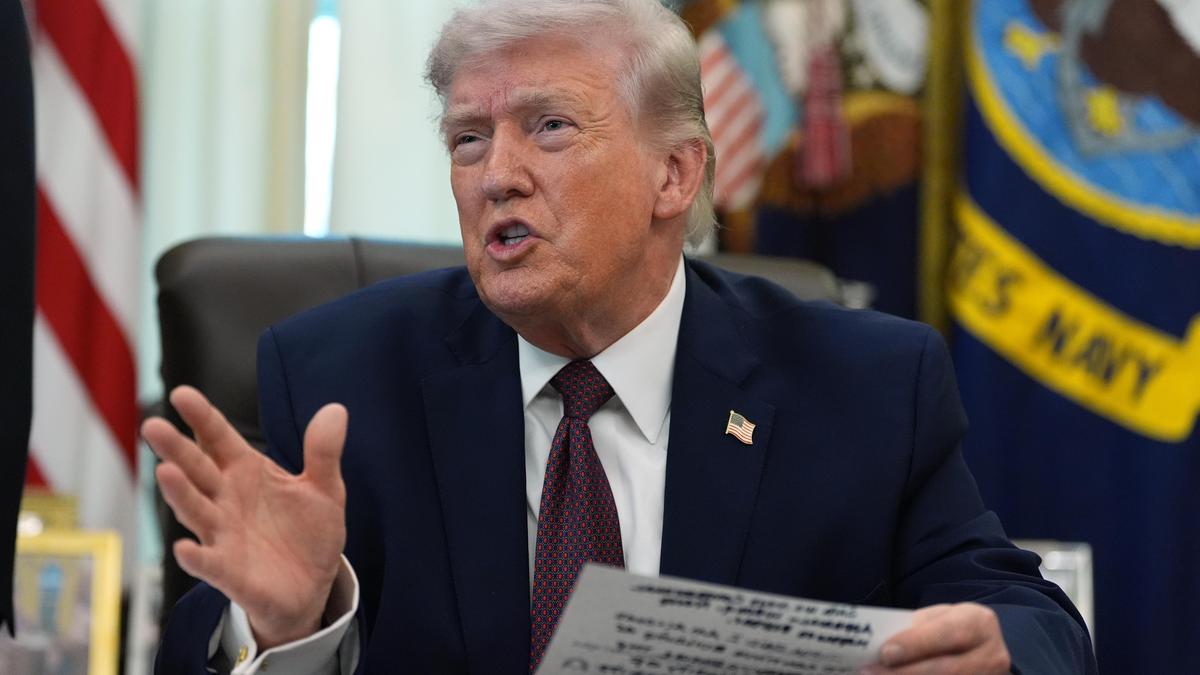
On April 1, 2026, U.S. President Donald Trump indicated that the war with Iran may conclude within two to three weeks. Speaking to reporters, he stated the U.S. would be leaving Iran “very soon,” emphasizing that the “job” was nearly finished. He also suggested the possibility of a deal before complete elimination of Iranian targets. Simultaneously, he declared that the U.S. would no longer secure the Strait of Hormuz, urging other nations to “fend for themselves.” This announcement comes amidst conflicting signals from the White House regarding escalation versus negotiation.
Meanwhile, Israeli Prime Minister Benjamin Netanyahu asserted that the joint campaign had “changed the face of the Middle East,” while Iranian President Masoud Pezeshkian expressed willingness to end the war if guarantees against renewed conflict were provided. The war has caused significant casualties in Lebanon due to Israeli strikes against Hezbollah, with over 1,200 deaths and a million displaced. Global markets reacted positively to the news, with U.S. stocks surging and oil prices declining.
Key Points:
- President Trump suggests the war with Iran could end in two to three weeks.
- The U.S. will not secure the Strait of Hormuz, leaving it to other nations.
- Netanyahu claims the war has fundamentally altered the Middle East.
- Iran expresses willingness to end the war with guarantees of no further aggression.
- Israeli strikes in Lebanon have resulted in over 1,200 deaths and a million displaced.
- Iranian Revolutionary Guards threaten retaliation against U.S. tech firms if further assassinations occur.
- The Trump administration launched the war on February 28, 2026, after killing Iran’s supreme leader Ayatollah Ali Khamenei.
Critical Analysis:
The timing of Trump’s announcement, coupled with his previous contradictory statements, suggests a potential strategic maneuver to create leverage in negotiations with Iran. His decision to withdraw from securing the Strait of Hormuz could be aimed at pressuring allies to contribute more actively to regional security, or it could signal a genuine disengagement from the conflict. The threats from the Iranian Revolutionary Guard against US Tech companies further complicate the situation, potentially escalating the conflict beyond the military domain. The killing of Ayatollah Ali Khamenei on February 28th was a clear escalation trigger and significantly altered the trajectory of the conflict.
Key Takeaways:
- The U.S. is signaling a potential withdrawal from the war with Iran, but the terms remain unclear.
- The security of the Strait of Hormuz is now a point of contention, potentially leading to increased regional instability.
- The conflict has had a devastating impact on Lebanon, highlighting the regional consequences of the war.
- The threat of cyber warfare and attacks against U.S. tech companies introduces a new dimension to the conflict.
- The war’s initiation through the assassination of a key Iranian leader indicates a highly aggressive and destabilizing strategy.
Impact Analysis:
The potential U.S. withdrawal from the Iran war could have far-reaching consequences. It could lead to a power vacuum in the region, potentially exacerbating existing tensions between Iran, Israel, and other regional actors. The abandonment of the Strait of Hormuz security could disrupt global oil supplies and increase shipping costs. Furthermore, the threats against U.S. tech companies could escalate into a full-blown cyber conflict. The long-term impact will depend on the terms of any potential deal between the U.S. and Iran, and the ability of other nations to maintain stability in the region.
 First Piper