
Wed Apr 01 14:04:36 UTC 2026: ### Headline: Expert Warns Trump’s Iran Strategy at a “Strategic Dead End,” Escalation Risks Global Economic Crisis
The Story:
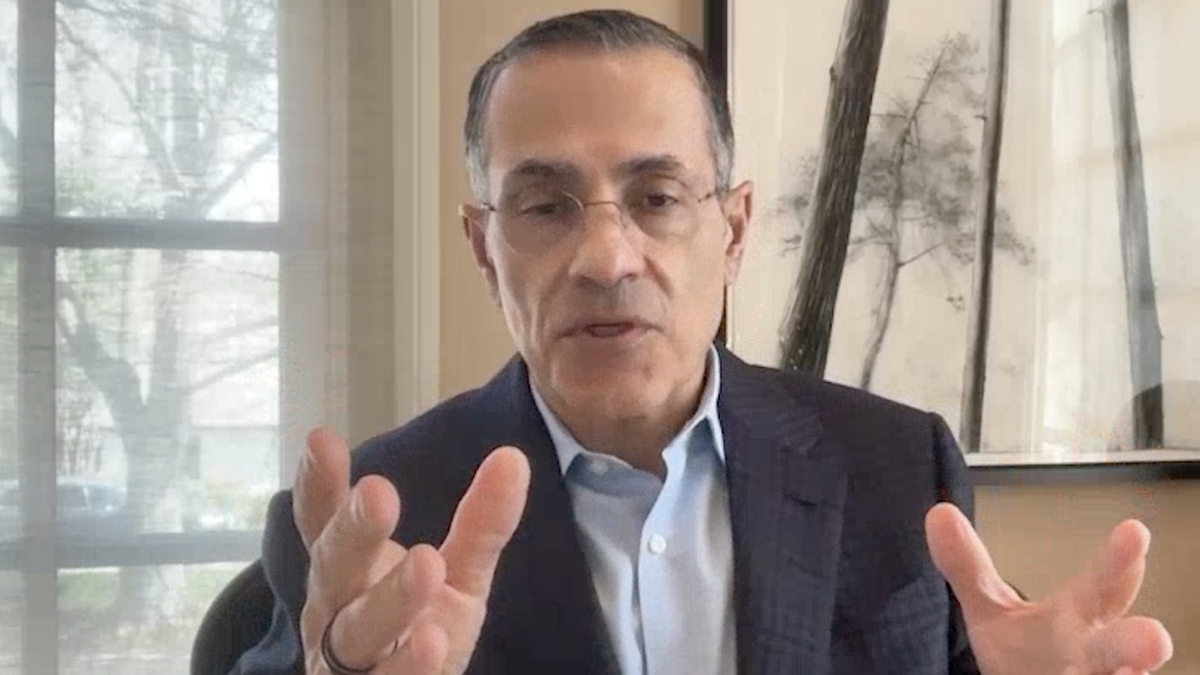
In an interview with The Hindu published on April 1, 2026, Vali Nasr, professor at Johns Hopkins University School of Advanced International Studies and former U.S. State Department Advisor, assesses the ongoing conflict between the U.S. and Iran. Nasr argues that President Donald Trump’s administration was unprepared for Iran’s response, particularly its ability to disrupt global energy markets via the Strait of Hormuz. He suggests that further escalation by the U.S., such as bombing Iranian infrastructure or seizing islands, would only exacerbate the crisis, potentially triggering a wider conflict and severely impacting the global economy.
Nasr highlights that Iran’s actions align with its long-held strategic view of resisting foreign subjugation, dating back to the 1979 revolution. He believes that the Islamic Republic, despite facing significant pressure, has not been broken and may emerge from this conflict more assertive. Nasr indicates that while Iran might be open to a nuclear agreement, it will not negotiate on its missile program or control over the Strait of Hormuz, considering them crucial for deterrence.
Key Points:
- Trump’s Iran policy is at a “strategic dead end” due to Iran’s ability to control the Strait of Hormuz.
- The U.S. was unprepared for Iran’s response, focusing on protecting Israel rather than its own bases or GCC countries.
- Iran sees the conflict as a continuation of its historical struggle against foreign imperialism.
- Israel’s goal is the collapse of the Iranian state, not just regime change.
- Iran is unlikely to negotiate on its missile program or control of the Strait of Hormuz.
- Persian Gulf monarchies are angry at both Iran for attacking them and the U.S. for failing to protect them.
- Nasr suggests post-war, Gulf countries will reassess their security relations with the U.S.
Critical Analysis:
The news headlines from the same day paint a picture of a President Trump publicly claiming Iran is seeking a ceasefire, a claim that directly contradicts the assessment of Vali Nasr. This disparity suggests either a deliberate misrepresentation by the Trump administration to manage public perception, or a fundamental disconnect between the President’s understanding of the situation and the reality on the ground. The mention of “paper tiger NATO” also indicates a potential fracturing of established alliances, contributing to the instability in the region.
Key Takeaways:
- Trump’s administration underestimated Iran’s strategic capabilities and resolve.
- The conflict has exposed vulnerabilities in the U.S.’s ability to protect its allies in the Persian Gulf.
- The future security architecture of the Gulf region is likely to undergo significant changes.
- The war is having a devastating impact on the economies of the Persian Gulf monarchies.
- Despite potential for a nuclear agreement, fundamental differences remain, making a lasting resolution difficult.
Impact Analysis:
The ongoing conflict between the U.S. and Iran, as analyzed by Vali Nasr, carries significant long-term implications. The potential shift in the Gulf’s security architecture could lead to new alliances and realignments, impacting regional stability. The economic consequences of the conflict, particularly the disruption of global energy markets, could have far-reaching effects on international trade and investment. Furthermore, the erosion of trust between the U.S. and its allies in the region could weaken American influence and create opportunities for other global powers, such as China, to expand their role in the Middle East. The failure of the U.S. to achieve its objectives in Iran could also embolden other actors seeking to challenge American hegemony.
 First Piper