
Wed Apr 01 17:16:13 UTC 2026: # Iran’s Grip on Global Markets Surprises U.S., Prolonging Conflict: Expert Analysis
The Story:
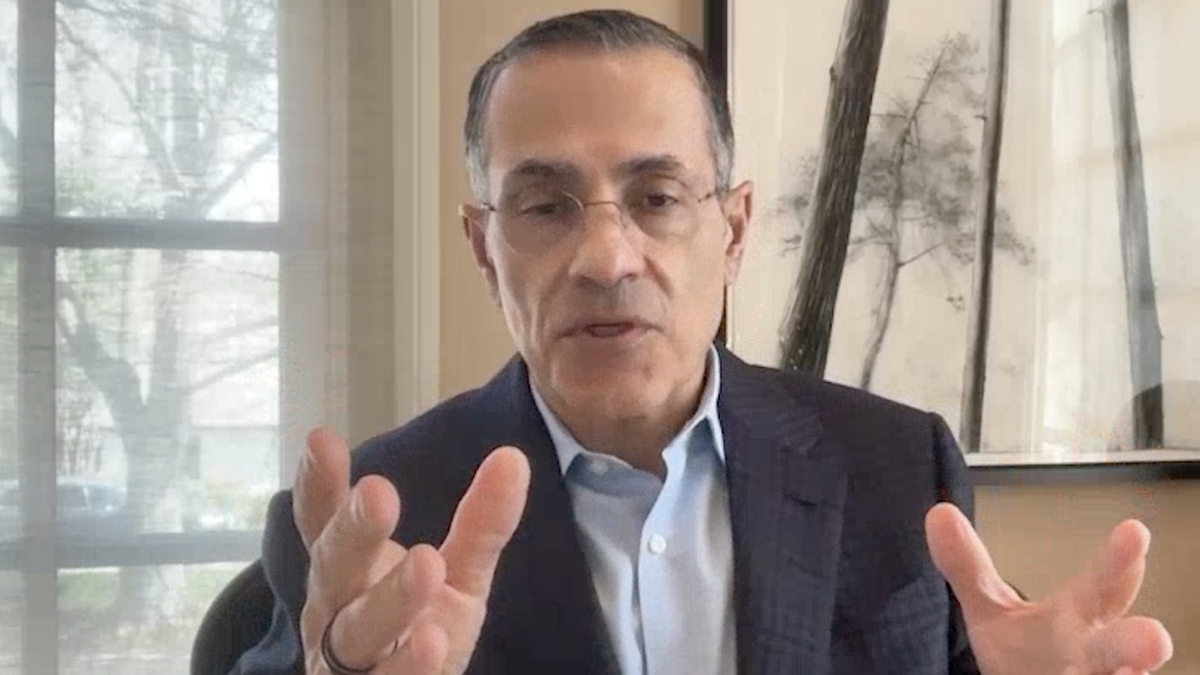
In an interview with The Hindu, Vali Nasr, professor at Johns Hopkins University School of Advanced International Studies and former U.S. State Department Adviser, asserts that President Donald Trump is at a “strategic dead end” regarding Iran. Nasr argues that Iran’s ability to disrupt global energy markets and trade via the Strait of Hormuz caught the U.S. unprepared and without a viable solution. Escalation, such as bombing Iranian infrastructure or capturing islands, risks further destabilization and economic pressure. Nasr suggests that Iran might be open to a nuclear deal but will not negotiate on its missile program or control of the Strait of Hormuz.
Nasr’s analysis comes as the April 1, 2026 article is published amidst an ongoing conflict that began in June 2025 following attacks on Iran by Israel and the U.S.. Trump’s contradictory statements and actions reflect a miscalculation of Iran’s resolve and capabilities, leading to a prolonged and challenging situation for the U.S. in the Persian Gulf.
Key Points:
- Trump’s Strategic Dead End: The U.S. lacks a solution to Iran’s control over the Strait of Hormuz and its impact on global markets.
- Miscalculated War: The U.S. underestimated Iran’s response and military capabilities, focusing on protecting Israel rather than its own bases or GCC countries.
- Iran’s Resolve: Iran views the conflict as a struggle to protect its liberation from American imperialism, shaping its military response.
- Limited U.S. Options: The U.S. cannot prevent Iran from escalating the war across the Gulf, potentially involving the Houthis and disrupting Red Sea traffic.
- Potential for a Deal: Iran might be open to a nuclear agreement as part of a larger deal guaranteeing no further attacks and genuine economic relief, but will not negotiate on missiles or the Strait of Hormuz.
- Gulf Monarchies’ Discontent: Gulf countries are angry at both Iran for attacking them and the U.S. for failing to protect them, leading to a reassessment of their security relationships with the U.S.
- Trump’s Unconventional Approach: President Trump’s decisions are driven by personal interactions rather than intelligence analysis.
Critical Analysis:
The context provided by the related headlines suggests a volatile situation. Trump’s claim of an Iranian request for a ceasefire, quickly refuted by Tehran, and the subsequent rise in Wall Street, indicate a desperate attempt to control the narrative and stabilize markets. The judge blocking Trump’s order to end funding for NPR and PBS suggests an internal power struggle and potential weakening of his authority. These factors, combined with Nasr’s analysis, point to a president struggling to manage a crisis of his own making, potentially driven by personal ego and a lack of strategic foresight.
Key Takeaways:
- The conflict with Iran has exposed vulnerabilities in U.S. strategic planning and military preparedness.
- Iran’s control over the Strait of Hormuz presents a significant challenge to global economic stability.
- President Trump’s unconventional decision-making process has contributed to the escalation of the conflict.
- Gulf monarchies are reassessing their security alliances with the U.S. in light of perceived failures to protect them.
- A potential nuclear deal with Iran is possible but contingent on guarantees of no further attacks and genuine economic relief, excluding negotiations on missiles or the Strait of Hormuz.
Impact Analysis:
The long-term implications of this conflict are significant. The erosion of trust between the U.S. and its Gulf allies could lead to a realignment of regional powers. The potential for
 First Piper