
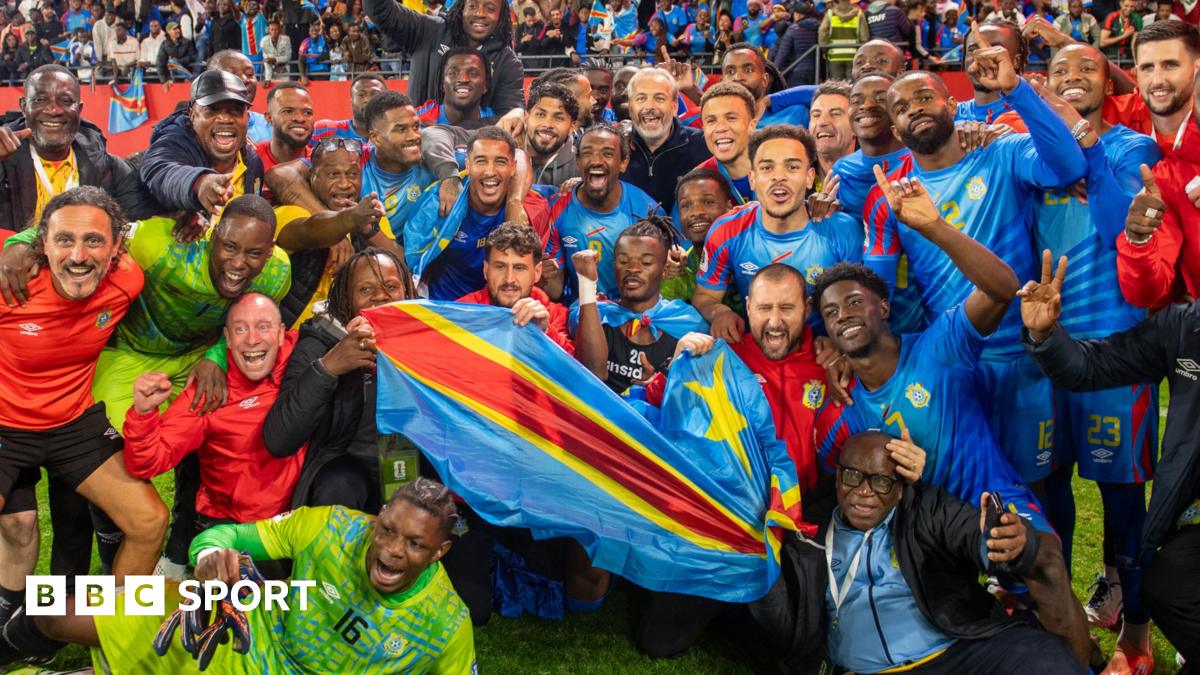
Tue Mar 31 20:00:00 UTC 2026: ### DR Congo’s World Cup Dreams: A Nation Haunted by History Seeks Redemption
The Story: The Democratic Republic of Congo (DR Congo), formerly Zaire, stands on the precipice of ending a 52-year absence from the FIFA World Cup. The nation, burdened by the infamous memories of its 1974 campaign, faces Jamaica in a crucial intercontinental play-off. Victory would secure Africa’s tenth spot in the 2026 tournament in Canada, Mexico, and the USA. The weight of history, coupled with ongoing political and social challenges within the country, adds immense pressure to the team.
Key Points:
- DR Congo, as Zaire, last participated in the World Cup in 1974, enduring a winless campaign marked by a humiliating 9-0 defeat against Yugoslavia and the infamous Mwepu Ilunga incident against Brazil.
- The team’s underperformance in 1974 has been attributed to various factors, including unpaid bonuses and threats of violence under the Mobutu regime.
- Decades of corruption, political instability, and war have prevented the nation from returning to the World Cup stage.
- Recruiting players from the diaspora, including former England youth internationals Axel Tuanzebe and Aaron Wan-Bissaka, has been crucial to the team’s recent success.
- Ongoing conflict in eastern DR Congo, where the M23 rebel group controls key cities, adds a layer of complexity and urgency to the team’s quest for qualification.
Key Takeaways:
- DR Congo’s potential World Cup qualification represents more than just a sporting achievement; it symbolizes hope and unity for a nation grappling with significant challenges.
- The legacy of Mobutu Sese Seko’s regime continues to cast a long shadow over Congolese football, highlighting the detrimental effects of corruption and political interference.
- The reliance on diaspora players underscores the challenges faced by the Congolese league system in producing international-quality talent due to instability, insufficient funding, and limited media coverage.
- The team’s semi-final appearance at the 2023 Afcon was used as a platform to call for peace, illustrating the intersection of sports and politics in DR Congo.
- Despite government investment in sponsorship deals with European clubs, the grassroots development of Congolese football remains neglected, hindering long-term progress.
Impact Analysis:
- Social Impact: Qualification would provide a significant boost to national morale, offering a sense of unity and pride amidst ongoing conflict and political instability.
- Political Impact: Success on the world stage could potentially foster a sense of national identity and stability, although the underlying issues of corruption and political instability must still be addressed.
- Sporting Impact: A successful World Cup campaign could attract further investment in Congolese football, potentially leading to improved infrastructure and talent development at the grassroots level. This will require systemic change and a focus on long-term development rather than short-term gains.
 First Piper