
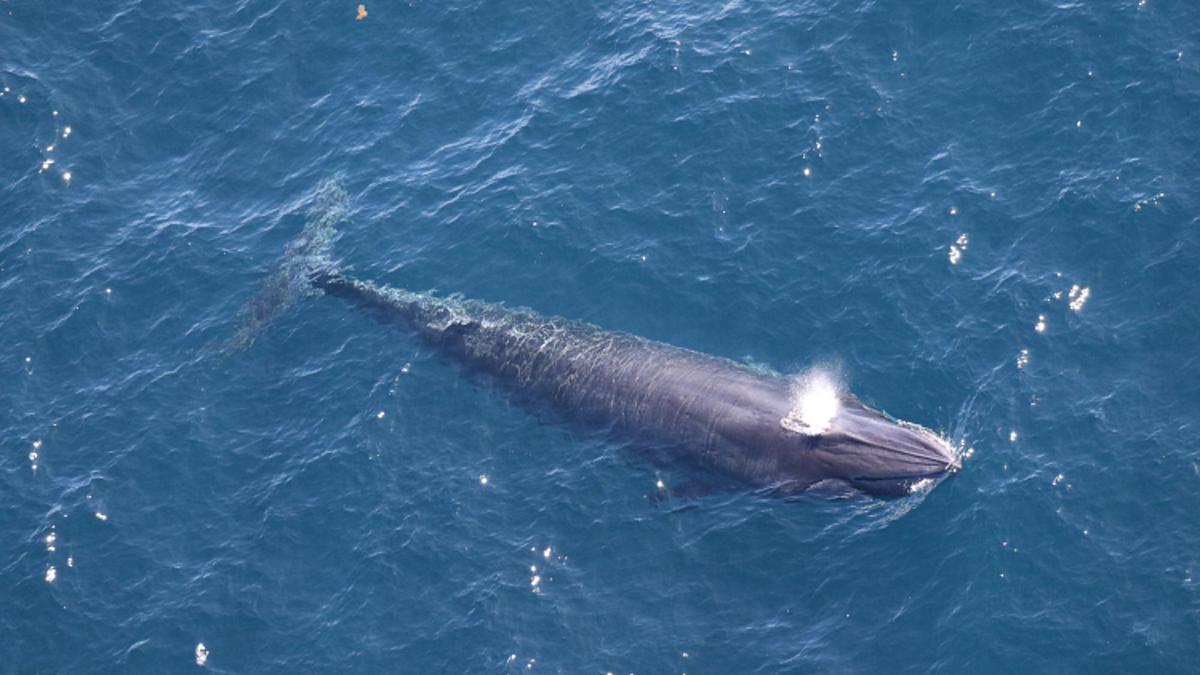
Wed Apr 01 10:34:04 UTC 2026: ### Headline: U.S. Grants Endangered Species Act Exemption for Gulf of Mexico Oil Drilling Amid Iran War, Threatening Rare Whale
The Story:
The Trump administration has granted an exemption to endangered species laws for oil and gas drilling in the Gulf of Mexico, citing national security concerns due to rising energy prices stemming from the Iran war. This decision, made by the Endangered Species Committee on March 31, 2026, allows for expanded drilling in the habitat of the critically endangered Rice’s whale, of which fewer than 100 remain. Scientists fear the increased drilling will exacerbate existing threats to the whales, including vessel strikes, noise pollution, oil spills, and climate change, potentially pushing them to extinction. The exemption also puts other endangered species, such as manatees and sea turtles, at risk.
Key Points:
- The Trump administration granted an exemption to endangered species laws for oil and gas drilling in the Gulf of Mexico.
- The decision was made by the Endangered Species Committee on March 31, 2026.
- Defense Secretary Pete Hegseth invoked national security due to rising energy prices from the Iran war.
- The exemption threatens the endangered Rice’s whale, of which fewer than 100 remain in the Gulf.
- The decision also endangers other species, including manatees, sea turtles, and corals.
- The committee had previously only issued exemptions twice, once for a dam and another for logging.
Critical Analysis:
The timing of the exemption, immediately following news of the U.S. exempting Gulf of Mexico oil drillers from endangered species protections, suggests a direct link between the rising energy prices due to the Iran war and the government’s willingness to override environmental protections. This indicates a prioritization of short-term energy security over long-term environmental sustainability, particularly concerning the survival of endangered species. The fact that the Endangered Species Committee has rarely issued exemptions underscores the gravity of the situation and the potential for significant environmental damage.
Key Takeaways:
- Geopolitical conflicts can have significant environmental consequences.
- Endangered species protections can be overridden in the name of national security.
- The Rice’s whale faces an even greater threat of extinction due to increased oil and gas drilling.
- The decision highlights the tension between economic interests and environmental conservation.
- This event underscores the need for sustainable energy policies that do not compromise biodiversity.
Impact Analysis:
The decision to grant an exemption for oil drilling in the Gulf of Mexico could have far-reaching and long-term implications. The potential extinction of the Rice’s whale would represent a significant loss of biodiversity. Furthermore, the precedent set by this exemption could weaken endangered species protections in the future, leading to further environmental degradation. The increased risk of oil spills poses a long-term threat to the entire Gulf ecosystem, impacting fisheries, tourism, and coastal communities. This event has the potential to galvanize environmental groups to challenge future decisions that prioritize economic interests over environmental protection.
 First Piper