
Tue Mar 31 19:17:59 UTC 2026: # Electoral Roll Challenges Plague Kodagu District Ahead of Special Intensive Revision
The Story:
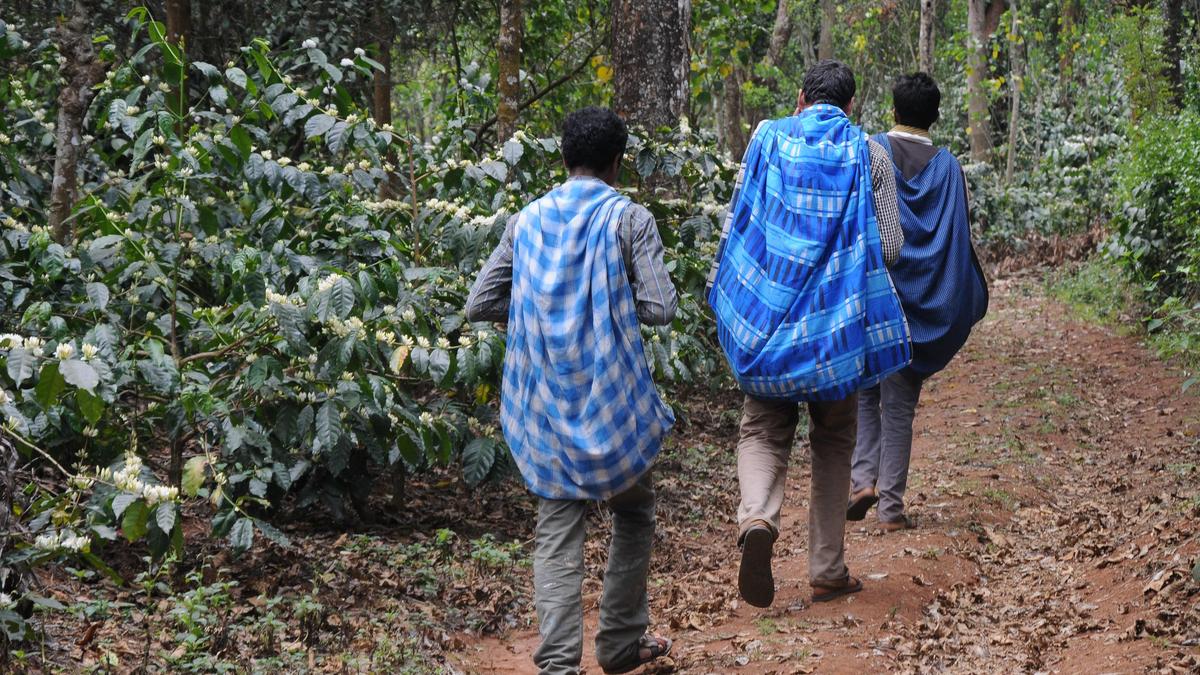
In Kedamulur, a village within the Virajpet taluk of Kodagu district, Karnataka, electoral officials are facing significant hurdles in updating the electoral rolls. Booth Level Officers (BLOs) have been unable to map even a single resident to the 2002 electoral rolls in preparation for the upcoming Special Intensive Revision (SIR) scheduled to begin in April. This predicament stems from the frequent relocation of residents, primarily from Adivasi communities like the Paniya Yerava, Jenu Kuruba, and Yerava, across more than 20 plantation belts in the region.
These residents report a lack of memory regarding their previous place of enrolment and an inability to produce documentation to verify their prior registration. This poses a considerable challenge to ensuring accurate voter registration and participation in the upcoming elections.
Key Points:
- Booth Level Officers (BLOs) in Kedamulur, Kodagu district, have been unable to map any residents to the 2002 electoral rolls.
- The issue is due to frequent movement of residents, primarily from Adivasi communities, across more than 20 plantation belts.
- Residents lack memory of previous enrolment locations and cannot provide documentation.
- A Special Intensive Revision (SIR) is expected to begin in Karnataka in April.
- The affected communities include Paniya Yerava, Jenu Kuruba, and Yerava.
Critical Analysis:
The historical context provides crucial context for understanding the current predicament. The announcement of a census exercise beginning in Karnataka on March 31, 2026, including caste enumeration, alongside the news of electoral roll issues, suggests a complex intersection of demographic data collection and electoral processes. The protest against the KPS Magnet scheme in Kodagu on March 29, 2026, hints at existing social and economic tensions within the region, potentially contributing to the mobility of the Adivasi communities.
Key Takeaways:
- Internal migration patterns, particularly among vulnerable communities, can significantly complicate electoral roll maintenance.
- Lack of documentation and recall among transient populations poses a challenge to accurate voter registration.
- The timing of the Special Intensive Revision (SIR) in conjunction with the census highlights the importance of accurate demographic data for electoral integrity.
- Socio-economic factors, such as the KPS Magnet scheme protest, likely contribute to the displacement and movement of these communities.
Impact Analysis:
The difficulties in updating electoral rolls could lead to voter disenfranchisement, particularly among Adivasi communities in Kodagu district. This could have long-term implications for political representation and the democratic process. Failure to address these challenges could exacerbate existing social and economic inequalities, further marginalizing these communities. Ensuring accurate voter registration is crucial for upholding democratic principles and providing equal representation for all citizens. The census data, when available, could inform targeted interventions to address the root causes of mobility and documentation challenges within these communities.
 First Piper