
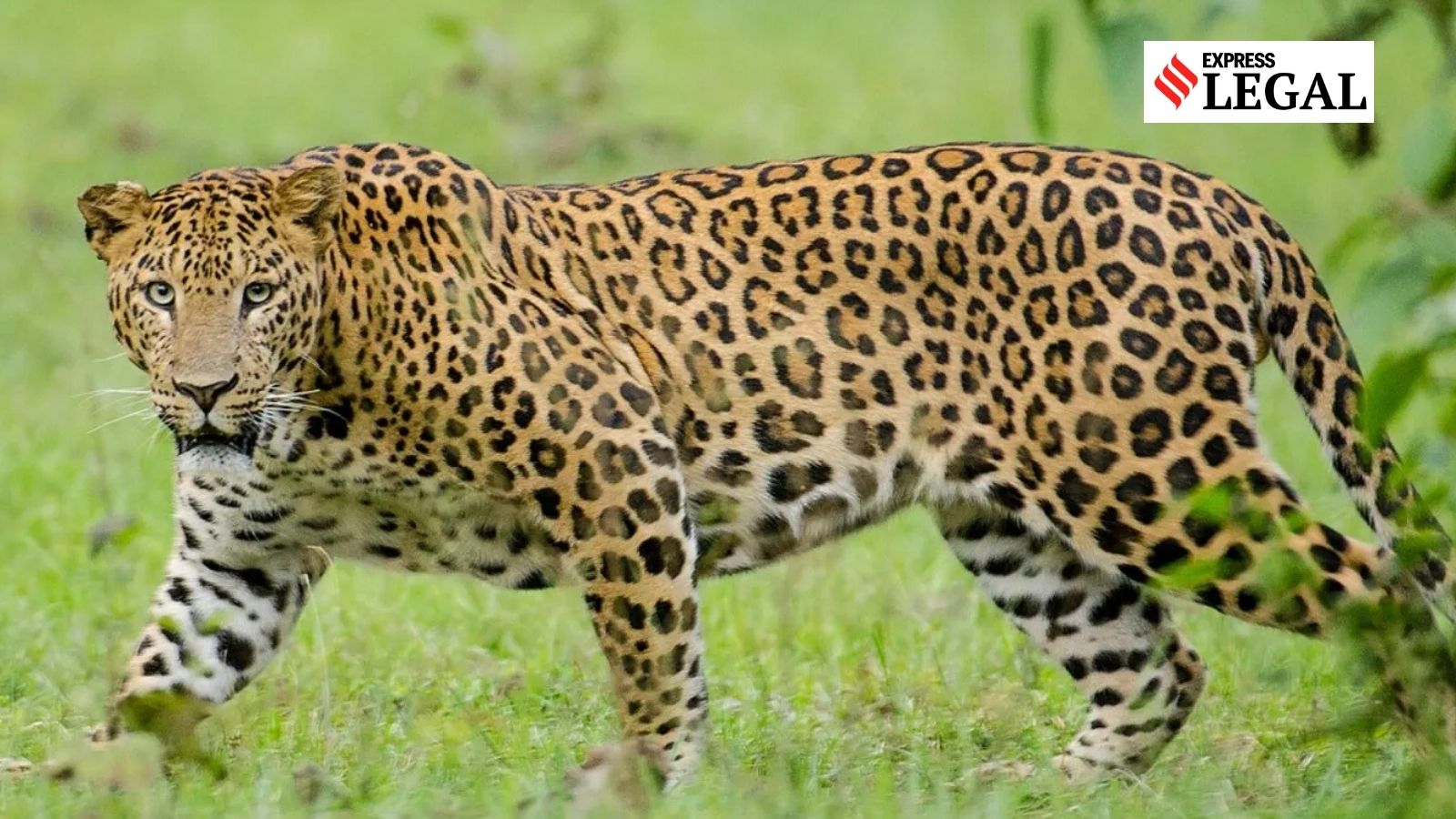
Wed Apr 01 09:05:29 UTC 2026: ### Chhattisgarh High Court Acquits Man in Leopard Skin Possession Case Citing Procedural Lapses
The Story:
The Chhattisgarh High Court acquitted a man accused of possessing the skin of a leopard (Panthera pardus), an endangered species, on March 30, 2026. Justice Radhakishan Agrawal overturned the appellate court’s charges, citing material contradictions and omissions in the prosecution’s case. The court emphasized that incriminating circumstances not presented to the accused during examination under Section 313 of the Criminal Procedure Code (CrPC) cannot be used against them, as it prejudices their defense. The prosecution failed to question the accused specifically about the Wildlife Forensic Cell’s report identifying the seized skin as that of a leopard.
Key Points:
- The Chhattisgarh High Court acquitted a man accused of possessing leopard skin.
- The acquittal was based on procedural lapses by the prosecution, specifically the failure to question the accused about key evidence.
- The court cited Section 313 of the CrPC, which empowers the court to question the accused, and emphasized the importance of presenting all incriminating evidence to the accused for a fair defense.
- The leopard (Panthera pardus) is classified under Schedule I of the Wildlife (Protection) Act, 1972, affording it rigorous protection as an endangered species.
- Deputy Government Advocate Atanu Gosh argued that evidence indicated the applicant was caught with the skin of an endangered leopard.
Key Takeaways:
- Procedural adherence is crucial in wildlife crime prosecutions to ensure a fair trial.
- Omissions in questioning the accused about key evidence can lead to acquittal, even in cases involving endangered species.
- The Wildlife (Protection) Act, 1972, provides a framework for protecting endangered species, but its effectiveness depends on proper enforcement and adherence to legal procedures.
- This case highlights the importance of thorough investigation and presentation of evidence in wildlife crime cases.
 First Piper