
Wed Apr 01 14:05:04 UTC 2026: # Arakkonam Residents Demand Improved Infrastructure and Healthcare Ahead of Assembly Elections
The Story:
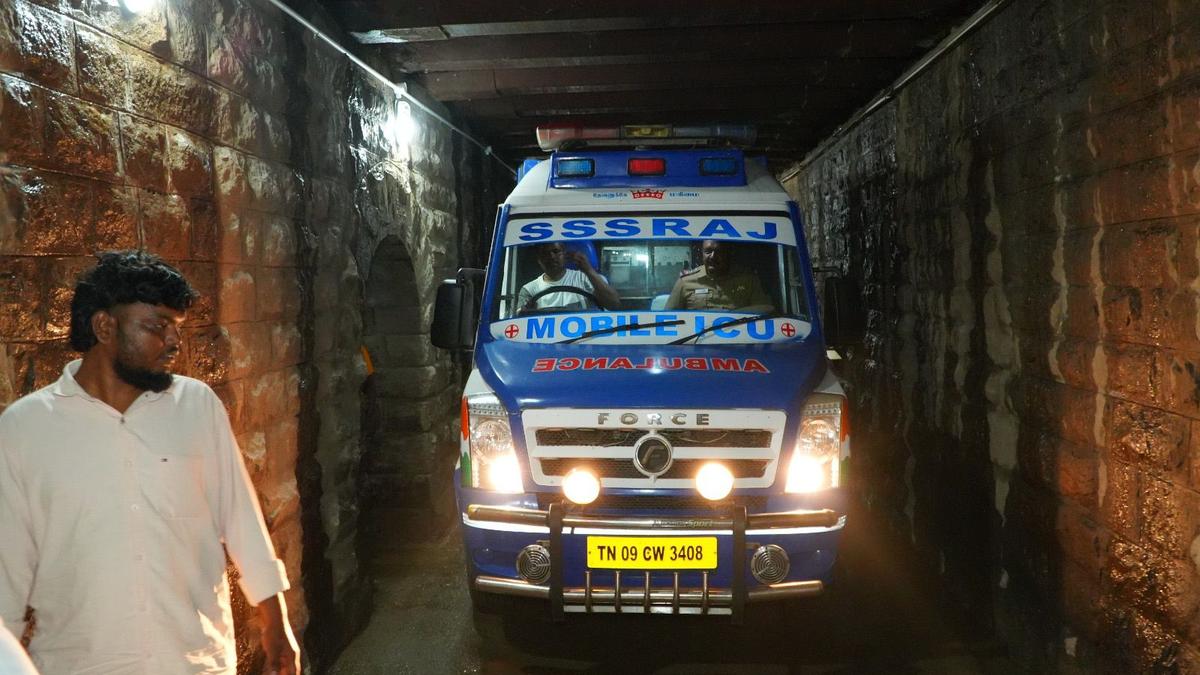
Ahead of the 2026 Tamil Nadu Assembly Elections, residents of the Arakkonam constituency are voicing their concerns over long-standing infrastructure and healthcare deficiencies. The primary issues highlighted include the frequent waterlogging of a crucial subway, leading to significant detours, unscheduled power cuts affecting agriculture and daily life, and the absence of advanced government healthcare facilities. Farmers are also requesting a government cold storage facility to minimize crop loss. The incumbent MLA, S. Ravi of the AIADMK, who has held the seat since 2011, faces increasing pressure to address these issues as he seeks re-election.
Key Points:
- Arakkonam constituency relies on the Kallar and Kosasthalaiyar rivers for agriculture, with paddy, bananas, sugarcanes, and groundnuts being major crops.
- Farmers are requesting a government cold storage facility to reduce crop loss due to logistics and improve shelf life.
- Unscheduled power cuts and fluctuations are a major concern for residents, impacting households, businesses, and irrigation.
- The British-era subway, constructed in 1865, gets waterlogged during monsoon, forcing residents to take a six-kilometer detour.
- Residents lack access to advanced government healthcare facilities and are often referred to a hospital 30 kilometers away in Tiruvallur.
- S. Ravi of AIADMK has consistently won the Arakkonam seat since 2011.
Critical Analysis:
The issues raised by Arakkonam residents reflect broader challenges faced by many semi-urban and rural constituencies in Tamil Nadu. The historical context provided shows a pattern of residents voicing concerns about infrastructure and civic amenities, as seen in the Madras High Court case regarding traffic problems, complaints about dog bite incidents in Chennai, and fears of voter roll deletions in Subhash Nagar. The demand for better healthcare facilities echoes similar needs expressed in other towns. The incumbent MLA’s long tenure suggests both a level of satisfaction and a growing expectation for improved living conditions. The fact that these issues are surfacing now, ahead of the elections, indicates a strategic effort to hold the elected official accountable.
Key Takeaways:
- Local infrastructure and healthcare remain critical issues influencing voter sentiment in Tamil Nadu.
- The demand for improved facilities reflects a growing awareness of citizen rights and expectations from elected officials.
- Incumbent politicians face increasing pressure to address long-standing grievances to secure re-election.
- Agricultural infrastructure, such as cold storage facilities, is essential for supporting local farmers and preventing economic losses.
- The historical context shows a consistent pattern of residents voicing concerns about basic amenities, suggesting systemic issues.
Impact Analysis:
The issues raised in Arakkonam have significant long-term implications for regional development and political stability. If these concerns are not addressed, it could lead to voter apathy, social unrest, and a decline in agricultural productivity. The outcome of the 2026 election in Arakkonam will likely hinge on the incumbent’s ability to demonstrate a commitment to resolving these problems. More broadly, this situation underscores the need for government investment in rural infrastructure and healthcare to ensure equitable development across Tamil Nadu. The success or failure in Arakkonam could set a precedent for how other constituencies address similar challenges in future elections.
 First Piper