
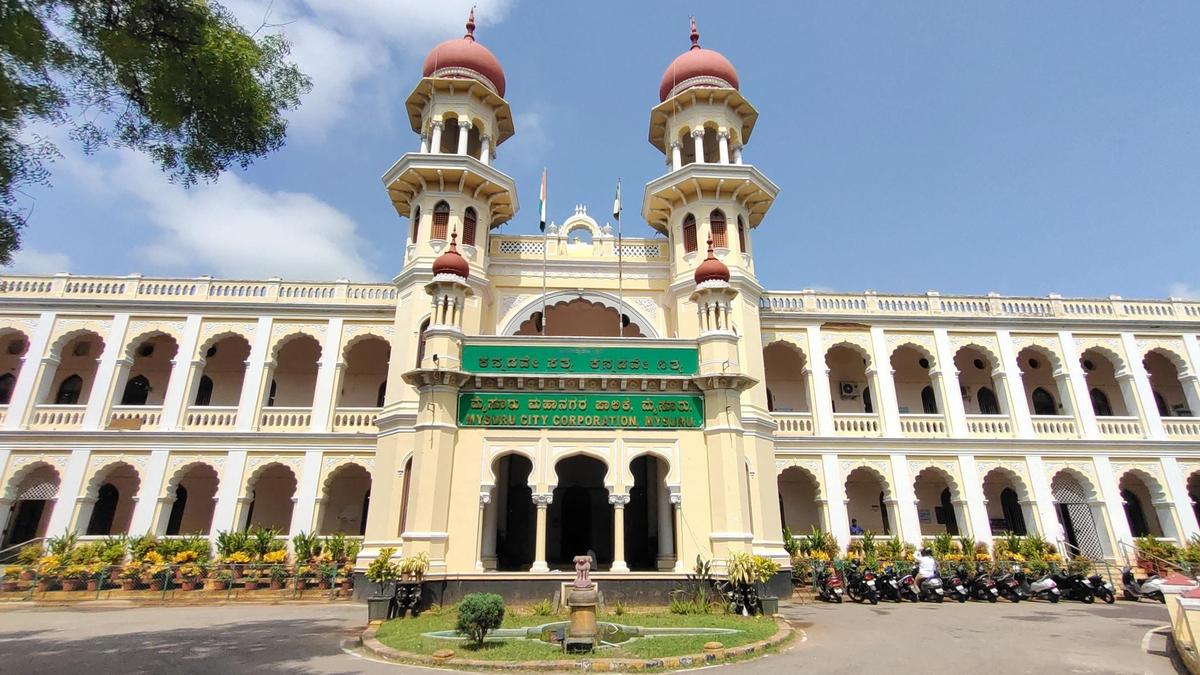
Wed Apr 01 09:53:56 UTC 2026: Headline: Mysuru City Corporation Imposes Motor Vehicle Cess and Raises Property Taxes Amidst Opposition
The Story:
The Mysuru City Corporation (MCC) has announced the implementation of a motor vehicle cess, a first for the city, alongside a 3% increase in property taxes for the fiscal year 2026-27. This decision, revealed in a public notice issued by the MCC Commissioner on April 1, 2026, mandates a cess of ₹100 for two-wheelers, ₹200 for three-wheelers, and ₹500 for four-wheelers, collected in conjunction with property taxes. The move has already sparked criticism from opposition leaders, who accuse the government of exploiting citizens to replenish state funds.
The tax hike and new cess follow the introduction of a garbage collection cess and solid waste management fee in April 2025, indicating a trend towards increased local taxation. While a 5% rebate is offered for early payments made in April 2026, the overall financial burden on Mysuru property owners is set to increase.
Key Points:
- The MCC is imposing a motor vehicle cess for the first time: ₹100 (2-wheelers), ₹200 (3-wheelers), ₹500 (4-wheelers).
- Property taxes are being revised upwards by a minimum of 3%, or according to prevailing market guidance value, whichever is higher, effective April 1, 2026.
- A 5% rebate is available for property owners paying taxes in April 2026.
- The MCC cites amendments to the Karnataka Municipal Corporations Act 1976 as legal justification.
- Opposition leaders, like former mayor Shivakumar, are criticizing the government for “fleecing money from the public.”
Critical Analysis:
The imposition of new taxes and fee hikes by the MCC, following the Kalaburagi City Corporation’s projected deficit of ₹5.92 crore in its ₹215 crore budget, and set against the backdrop of a temple city vying for district status and infrastructure improvements ahead of Mahamaham in 2028, suggests a broader trend of local governments in Karnataka facing financial pressures. These measures may be a direct consequence of the state government’s financial policies, prompting local bodies to seek additional revenue streams to maintain services and fund development projects.
Key Takeaways:
- Local governments in Karnataka are facing increased financial strain.
- Citizens are experiencing a rise in local taxes and fees.
- The Karnataka Municipal Corporations Act 1976 provides the legal framework for these tax implementations.
- Political opposition is mounting against the perceived increase in the tax burden on citizens.
- The need for infrastructure development and solid waste management are potential drivers for these financial measures.
Impact Analysis:
The imposition of the motor vehicle cess and increased property taxes is likely to have several long-term impacts:
- Increased financial burden on residents: This could lead to resentment and decreased public satisfaction with the local government.
- Potential for decreased property values: Higher taxes could make Mysuru less attractive to potential property buyers, potentially impacting the real estate market.
- Strain on transportation: In the long term, the cess revenue could be directed toward infrastructure projects, but in the short term, citizens will shoulder the burden.
- Precedent for other cities: If successful in Mysuru, other city corporations in Karnataka may follow suit, leading to a statewide increase in local taxes.
- Increased scrutiny of government spending: The opposition’s criticism may force the government to be more transparent about how
 First Piper