
Wed Apr 01 03:22:45 UTC 2026: # Fuel Prices Skyrocket in India Amidst Widening West Asia Conflict
The Story:
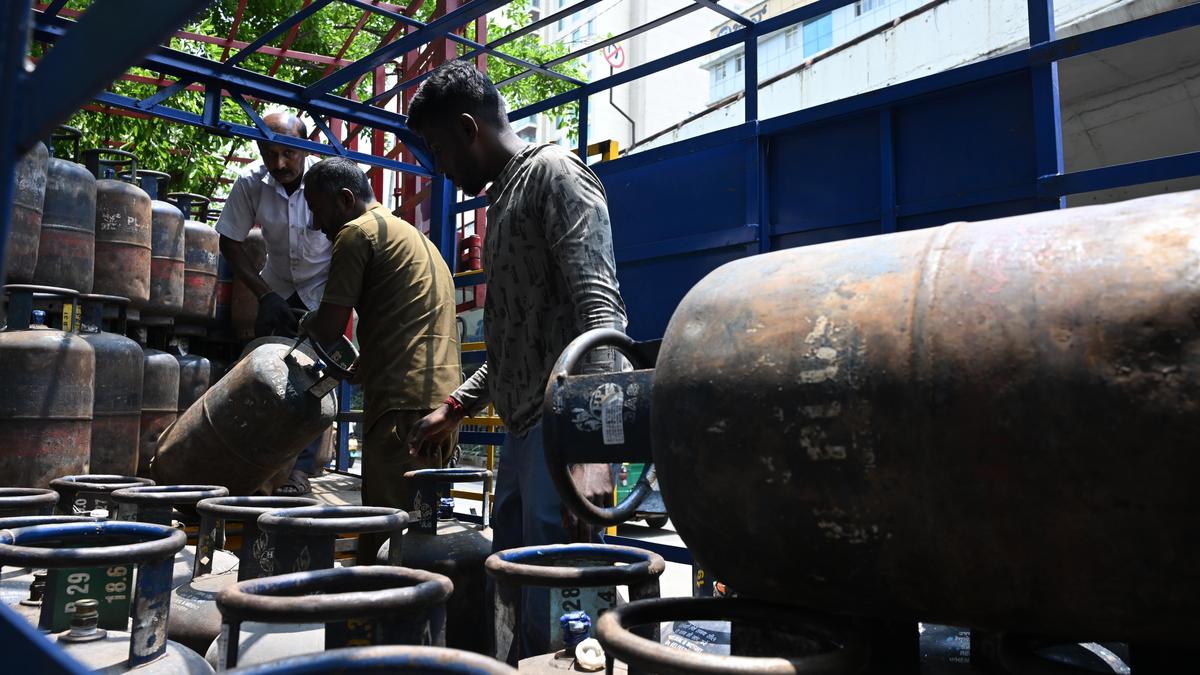
On April 1, 2026, India witnessed a record surge in aviation turbine fuel (ATF) prices, more than doubling to ₹2.07 lakh per kilolitre. Simultaneously, commercial LPG rates increased by ₹195.50 per cylinder. These price hikes are attributed to the surge in global oil prices, which are directly linked to the escalating conflict in West Asia. While commercial LPG prices have risen, domestic cooking gas rates remain unchanged for now, following a hike earlier in March.
Key Points:
- ATF prices hit a record high of ₹2.07 lakh per kilolitre on April 1, 2026.
- Commercial LPG rates increased by ₹195.50 per 19-kg cylinder.
- The price surge is directly linked to rising global oil prices due to the ongoing conflict in West Asia.
- Domestic LPG rates remain unchanged after a ₹60 hike on March 7, 2026.
- In Hyderabad, a commercial gas cylinder will now cost ₹2,321 per refill.
Critical Analysis:
The timing of the price hikes, coinciding with escalating tensions in West Asia (specifically, the Iran-Israel war mentioned in related context) and Kuwait airport fire due to Iranian drone attacks, suggests a direct and immediate impact of geopolitical instability on global oil markets and, consequently, Indian fuel prices. The reference to the 2022 price hike following the Russia-Ukraine war further reinforces the pattern of international conflicts driving domestic fuel costs.
Key Takeaways:
- Geopolitical instability in oil-producing regions has a swift and significant impact on Indian fuel prices.
- Aviation and commercial sectors are immediately affected by these price fluctuations.
- The Indian government faces the challenge of balancing economic stability with the impact of global events on its citizens and businesses.
- The increase in bookings of commercial LPG connections in Hyderabad suggests businesses are anticipating further price increases and attempting to stock up.
Impact Analysis:
The surge in ATF prices will likely increase air travel costs, impacting the aviation industry and potentially leading to higher fares for consumers. Similarly, increased commercial LPG rates will affect restaurants, hotels, and other businesses, potentially leading to higher prices for consumers in those sectors as well. The stability of domestic LPG prices, at least in the short term, is likely an attempt to mitigate the immediate impact on households, but sustained high global oil prices could eventually necessitate adjustments there as well. The long-term impact will depend on the duration and intensity of the West Asia conflict and its ongoing effect on global oil supply.
 First Piper