
Tue Mar 31 19:50:00 UTC 2026: ### Spain Blocks U.S. Aircraft, Escalating Tensions Over Iran Conflict
The Story:
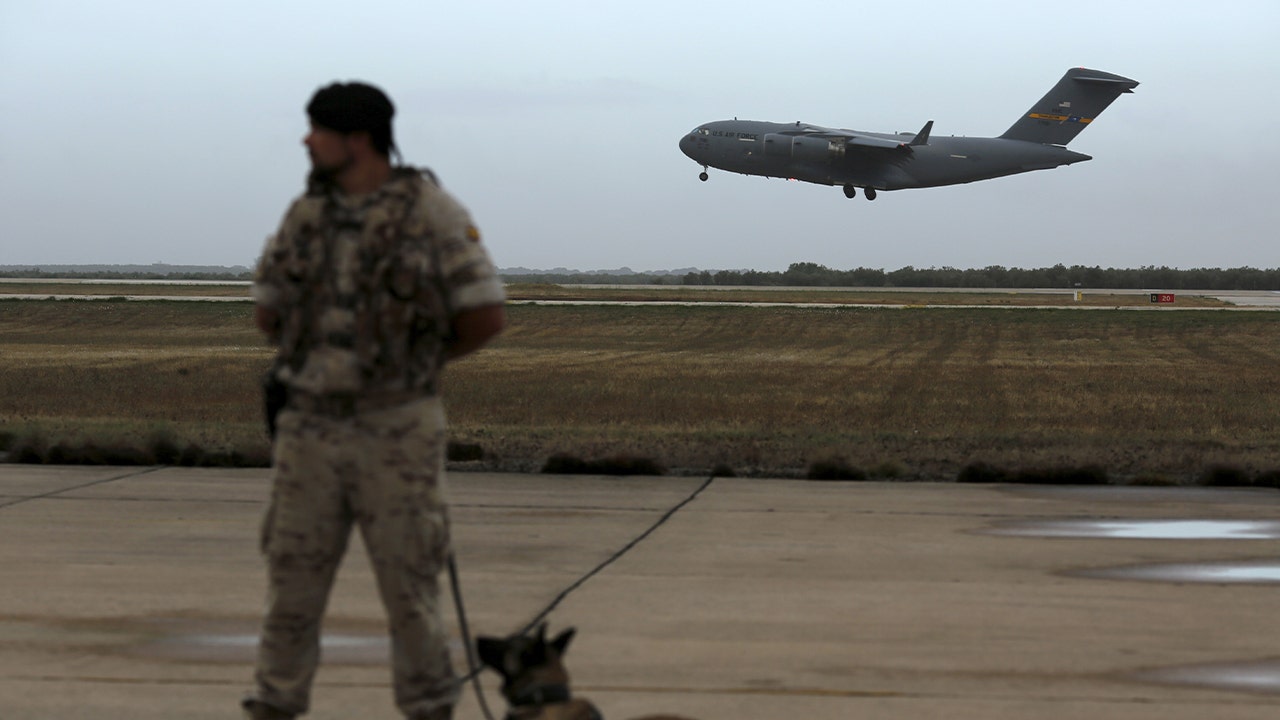
Tensions between the United States and Spain have escalated as Spain blocks U.S. military aircraft involved in the Iran conflict from using its airspace. This action, confirmed by Spanish Defense Minister Margarita Robles, includes denying the use of joint U.S.-Spanish bases for operations related to the Iran war. The move signals a significant rift within NATO, as Spain’s left-wing government, led by Prime Minister Pedro Sánchez, voices strong opposition to U.S. and Israeli military actions in Iran.
Key Points:
- Spain denies U.S. military aircraft access to its airspace and joint bases for Iran conflict operations.
- Spanish Defense Minister Margarita Robles confirms the decision, citing a long-standing position against involvement in the Iran war.
- Prime Minister Pedro Sánchez has labeled the Iran war as “illegal,” “reckless,” and “unjust.”
- The U.S. maintains a substantial military presence in Spain, including Naval Station Rota and Morón Air Base, under bilateral agreements.
- A White House official downplays Spain’s actions, asserting the U.S. military is meeting its goals under “Operation Epic Fury.”
- This action highlights a broader divide within NATO over the Iran conflict, with Spain emerging as a dissenting voice.
Critical Analysis:
Based on the provided context, the events indicate a pattern of escalating resistance from key U.S. allies against President Trump’s foreign policy, particularly concerning the Iran conflict. The blocking of military flights by Spain follows earlier instances of allies restricting military flights, as well as earlier disagreements over defense spending and burden-sharing within NATO. This suggests a growing frustration with perceived unilateralism in U.S. foreign policy and a desire by some allies to assert their own strategic autonomy.
Key Takeaways:
- The relationship between the U.S. and some of its NATO allies is under significant strain due to disagreements over the Iran conflict.
- Spain is willing to take concrete steps to limit U.S. military operations, despite its NATO membership and existing military agreements.
- President Trump’s approach to foreign policy is facing increased resistance from allies who view his actions as “illegal” and “unjust.”
- The U.S. may need to reassess its relationships with key allies and consider alternative logistical pathways for military operations.
- The incident underscores a deeper divide within NATO over how to respond to global conflicts.
Impact Analysis:
The long-term implications of this event series are substantial. The erosion of trust and cooperation between the U.S. and its allies could weaken the NATO alliance and undermine collective security efforts. The need for the U.S. to find alternative routes and bases for military operations could lead to increased costs and logistical challenges. Furthermore, the growing assertiveness of allies like Spain could embolden other nations to challenge U.S. foreign policy, potentially leading to a more multipolar world order. The United States may need to engage in more diplomatic efforts to repair relationships and find common ground with its allies on key foreign policy issues.
 First Piper