
Wed Apr 01 04:55:24 UTC 2026: ### Kerala Elections See High Turnout in Home Voting for Elderly and Disabled
The Story:
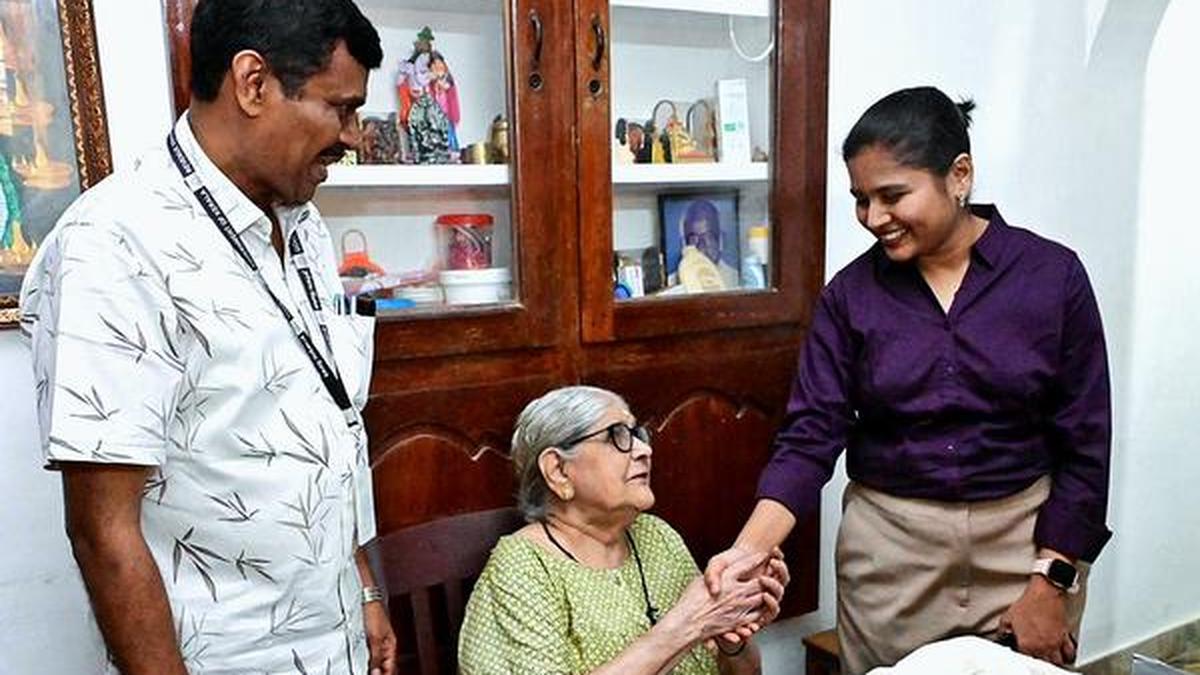
In the lead-up to the 2026 Kerala Assembly elections, a significant number of elderly and disabled voters exercised their right to vote through a home voting facility. A total of 5,836 voters across 13 constituencies in the Ernakulam district participated in the two-day process held on March 30 and March 31, 2026. This initiative, aimed at facilitating voting for those aged above 85 and individuals with disabilities exceeding 40%, demonstrates a commitment to inclusive electoral practices.
Key Points:
* A total of 5,836 voters in Ernakulam district participated in home voting.
* The initiative targeted voters aged above 85 and those with disabilities of 40% or more.
* 2,907 voters cast their votes on Monday, March 30, 2026, and 2,929 on Tuesday, March 31, 2026.
* Each home voting team comprised two polling officers, a micro observer, a police officer, and a videographer.
* 192 teams, including reserve teams, were deployed across the district.
* The home voting process will continue till April 6, 2026.
Key Takeaways:
* The Election Commission is actively working to ensure greater accessibility and participation in the democratic process for vulnerable populations.
* Home voting initiatives can significantly increase voter turnout among elderly and disabled citizens.
* The success of this program in Ernakulam district could serve as a model for similar initiatives in other regions and future elections.
Impact Analysis:
The implementation of home voting has significant long-term implications for electoral participation and inclusivity. By removing physical barriers to voting, this initiative empowers elderly and disabled citizens, ensuring their voices are heard in the democratic process. The success of the 2026 Kerala Assembly elections’ home voting program could lead to its expansion and refinement in future elections, both in Kerala and across India. This could result in higher overall voter turnout and a more representative electorate. Furthermore, the program highlights the importance of adapting electoral processes to meet the needs of diverse populations, setting a precedent for future electoral reforms focused on accessibility and inclusivity.
 First Piper