
Wed Apr 01 04:32:40 UTC 2026: ### Headline: Iran Considers Tolls on Strait of Hormuz Amid War, Restricting Access for US and Israel
The Story:
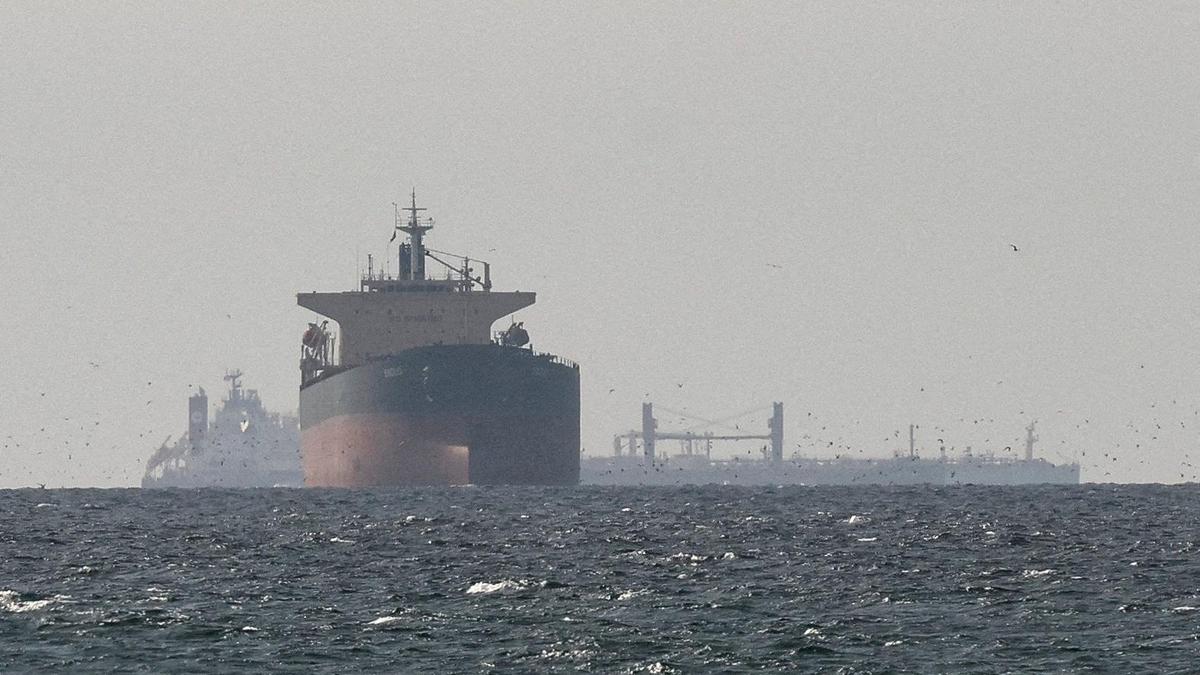
Iranian state media reported on Monday, March 30, 2026, that a parliamentary commission approved plans to impose tolls on vessels transiting the Strait of Hormuz. This waterway, critical for global oil and gas shipments, has seen a 95% reduction in traffic since the beginning of the war in West Asia. The plan includes “financial arrangements and rial toll systems,” cooperation with Oman, and a prohibition on passage for American and Israeli vessels, along with a ban on countries sanctioning Iran.
The move comes amidst ongoing conflict, significantly impacting global energy markets. While the exact details of the toll system remain unclear, the announcement signals Iran’s intent to exert greater control over this strategic chokepoint.
Key Points:
- Iranian Parliament commission approved tolls for vessels using the Strait of Hormuz.
- The plan includes barring American and Israeli vessels from passage.
- The Strait has experienced a 95% drop in traffic since the start of the war.
- The plan involves “financial arrangements and rial toll systems” and cooperation with Oman.
- The move aims to assert Iran’s “sovereign role.”
Critical Analysis:
The imposition of tolls and the barring of US and Israeli vessels represent a significant escalation of Iran’s involvement in the ongoing conflict. This action directly challenges international norms regarding freedom of navigation and could be interpreted as an attempt to leverage control over a vital energy supply route for political gain. The timing, amidst ongoing peace talks and fluctuating stock futures, suggests a calculated move to strengthen Iran’s negotiating position or destabilize the region further. The mention of cooperation with Oman is notable, implying a potential regional alignment in navigating the conflict.
Key Takeaways:
- Iran is actively seeking to control the Strait of Hormuz.
- The decision to impose tolls could further disrupt global energy markets.
- The exclusion of US and Israeli vessels exacerbates geopolitical tensions.
- The move coincides with optimism about the ending of the Iran war, potentially complicating peace negotiations.
- Oman’s involvement suggests a possible shift in regional alliances.
Impact Analysis:
The long-term implications of this decision could be far-reaching.
- Energy Security: Increased tolls and restricted access could lead to higher energy prices and instability in global markets, forcing nations to seek alternative energy sources or shipping routes.
- Geopolitical Landscape: This action could trigger a stronger response from the US and its allies, potentially leading to further military escalation. It also challenges the existing international order and norms of maritime law.
- Regional Stability: The cooperation between Iran and Oman could solidify a new regional alliance, potentially reshaping the balance of power in the Middle East.
- Economic Consequences: The financial implications of the toll system, particularly the use of the rial, could affect international trade and investment in the region.
- Future Conflicts: The successful implementation of this strategy might embolden other nations to exert control over strategic waterways, leading to more frequent disruptions in global trade and security.
 First Piper