
Wed Apr 01 01:16:00 UTC 2026: Okay, let’s break down this news article from April 1, 2026, analyze the unfolding events, and provide some critical reasoning.
Summary of Key Events (as of April 1, 2026):
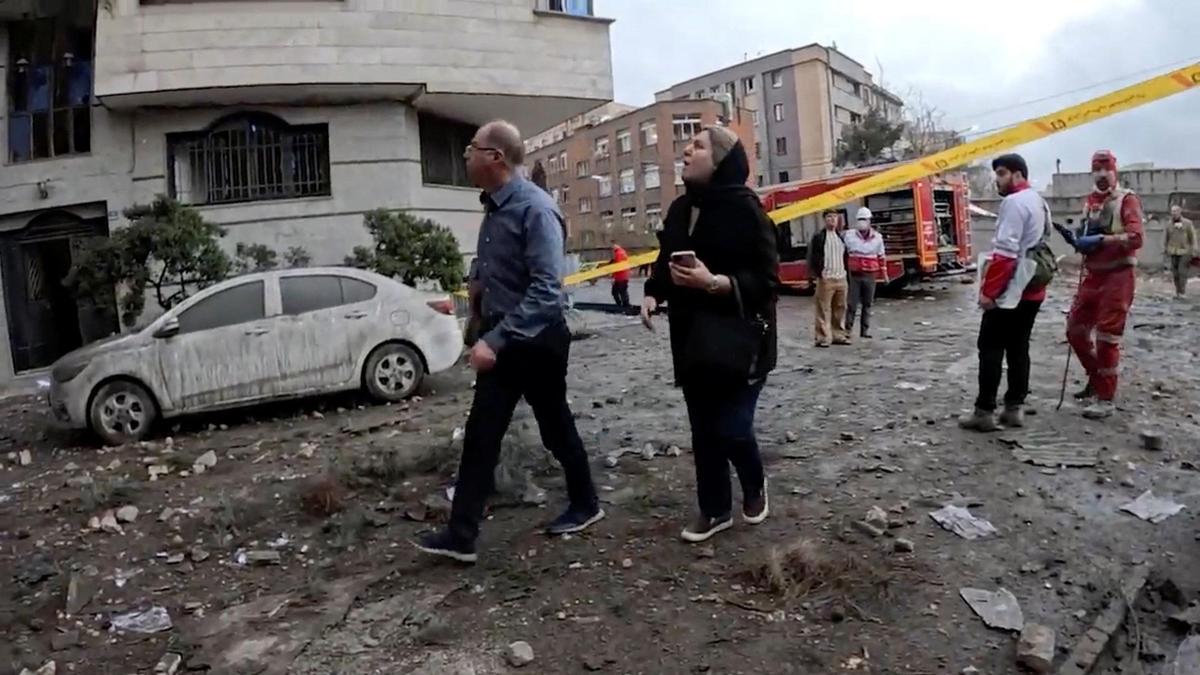
- U.S.-Israel-Iran War Escalation: The war, which began on February 28, 2026, is intensifying. The U.S. and Israel are continuing airstrikes within Iran, targeting both military and civilian infrastructure (including a pharmaceutical company and a Shia mosque). Iran is retaliating with attacks in the Gulf region, including striking a Kuwaiti oil tanker in Dubai and potentially military sites in Isfahan.
- Strait of Hormuz Closure: Iran has effectively closed the Strait of Hormuz, a critical waterway for global oil shipments.
- Global Economic Impact: The war has caused a significant surge in global energy prices, leading to inflation, economic hardship, and supply chain disruptions. Gas prices are soaring in the U.S. and Europe. Nations are scrambling to secure oil supplies.
- Military Deployments: The U.S. is deploying more troops and military assets to the region (USS George H.W. Bush carrier strike group, 82nd Airborne Division).
- Diplomatic Efforts: Despite the ongoing military actions, talks between the U.S. and Iran are reportedly ongoing. China and Pakistan have presented a five-point peace proposal and are offering to mediate. Pope Leo is urging President Trump to find an “off-ramp.”
- Regional Instability: The conflict is spreading to neighboring countries. Israeli strikes hit Lebanon, targeting Hezbollah. Attacks and interceptions are occurring in Iraq, Saudi Arabia, and Dubai. Archaeological sites in Iraq are being abandoned.
- Iranian Threats: The Iranian Revolutionary Guards are threatening to target U.S. technology companies if “targeted assassinations” continue.
- Israeli Intentions in Lebanon: Israel has stated its intention to occupy a security zone in southern Lebanon after the war.
- International Reactions:
- Many nations are calling for de-escalation and peace.
- Some countries are taking economic measures to mitigate the impact of the war (e.g., Haiti’s austerity measures, Dubai’s economic incentives, South Africa considering lowering the fuel levy).
- Italy has denied U.S. aircraft combat missions from its base.
- The EU is urging member states to prepare for prolonged energy disruptions.
- FIFA is still planning for Iran to participate in the World Cup.
- Brazil is showcasing its biofuel program as a buffer against energy shocks.
- Indonesia is urging parties to respect international humanitarian law after its peacekeepers were killed in Lebanon.
- France’s President Macron is visiting Japan to discuss the crisis.
Critical Reasoning and Analysis:
- The Escalation Trap: The article paints a picture of a rapidly escalating conflict. The initial U.S.-Israeli strikes on Iran, while perhaps intended to weaken the regime or deter its nuclear ambitions, have triggered a chain reaction. Iran’s response, particularly the closure of the Strait of Hormuz and attacks on Gulf shipping, has created a global economic crisis, further heightening tensions. The attacks on civilian infrastructure (pharmaceutical company, mosque) on both sides further contribute to the cycle of violence and make de-escalation more difficult.
-
Trump’s Objectives and Contradictions: President Trump’s statements are contradictory. He claims progress in talks with Iran while simultaneously escalating military actions and issuing ultimatums (e.g., nations must buy U.S. oil or “take it” from the Strait). His stated timeline for ending U.S. operations in Iran (“two
 First Piper