
Tue Mar 31 10:48:50 UTC 2026: ### Headline: Millions Protest Trump Administration Policies in “No Kings” Demonstrations Across U.S. and Abroad
The Story:
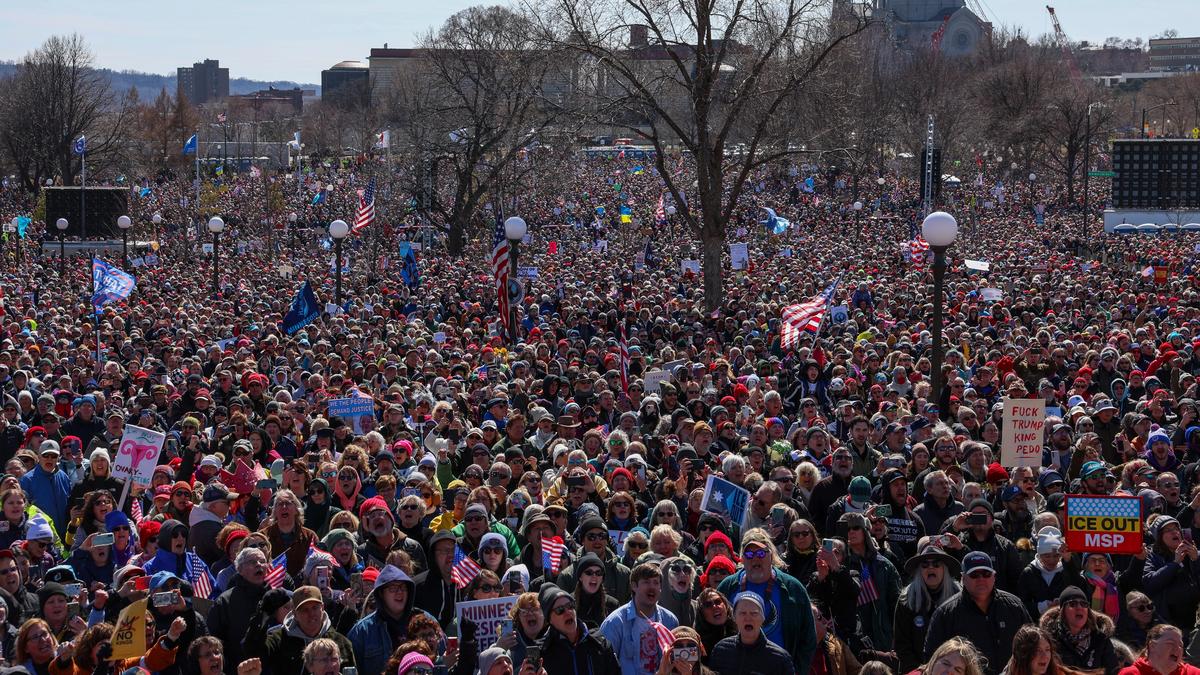
Millions of protesters participated in “No Kings” demonstrations across the United States and in several international cities on March 28, 2026, marking the third and largest nationwide mobilization against President Donald Trump’s administration since his re-election in January 2025. The “No Kings” movement, a coalition of progressive and anti-authoritarian organizations, cites concerns over immigration enforcement, the war in Iran, rising living costs, alleged voter suppression, and the rollback of civil rights protections as drivers for the protests. The demonstrations, which featured rallies, marches, and symbolic acts of resistance, underscore growing discontent with the administration’s policies and perceived authoritarian tendencies.
Key Points:
- An estimated eight million people participated in “No Kings” protests across the U.S. and abroad on March 28, 2026.
- The “No Kings” movement opposes President Donald Trump’s administration, accusing it of authoritarianism, illegal war, and undermining civil liberties.
- The protests were driven by a coalition of progressive groups, labor unions, and advocacy organizations, including Indivisible, MoveOn, the ACLU, and the National Action Network.
- Key grievances include immigration enforcement, the war in Iran, rising living costs, alleged voter suppression, and the rollback of civil rights protections.
- The symbolic center of the protests was the Twin Cities region, where tensions over immigration enforcement are high.
- The White House dismissed the protests as the product of “leftist funding networks.”
- Several US states mobilized the National Guard in response to the protests.
Critical Analysis
The historical context reveals several underlying factors contributing to the scale and intensity of the “No Kings” protests. The struggle of long-haul truckers due to rising diesel prices compounds the issue of rising living costs, one of the key grievances fueling the protests. The ongoing debate surrounding immigration, as evidenced by the story of immigration in the Supreme Court Justices’ histories, further exacerbates tensions, especially in regions like the Twin Cities where immigration enforcement is a central flashpoint. These interconnected issues likely contribute to the widespread discontent and the diverse coalition participating in the protests.
Key Takeaways:
- The “No Kings” movement represents a significant challenge to the Trump administration, reflecting widespread discontent with its policies and perceived authoritarian tendencies.
- The protests highlight the convergence of various grievances, including economic anxieties, immigration concerns, and fears over civil liberties.
- The scale and diversity of the protests suggest a deep-seated resistance to the administration’s agenda.
- The administration’s dismissive response risks further alienating segments of the population and fueling further unrest.
- The mobilization of the National Guard underscores the seriousness of the situation and the potential for escalation.
Impact Analysis:
The “No Kings” movement has the potential for a significant impact on the American political landscape. The scale of the protests demonstrates the power of organized resistance and could influence future policy decisions. The movement’s focus on safeguarding democracy and resisting authoritarianism could galvanize voter turnout in upcoming elections. The long-term impact will depend on the movement’s ability to sustain momentum and translate protest into concrete political action. Furthermore, the administration’s response to the protests will shape public perceptions of its legitimacy and its commitment to democratic principles.
 First Piper