
Wed Apr 01 05:26:29 UTC 2026: ### Headline: Bengaluru Integrates Mental Health Support with Emergency Response System
The Story:
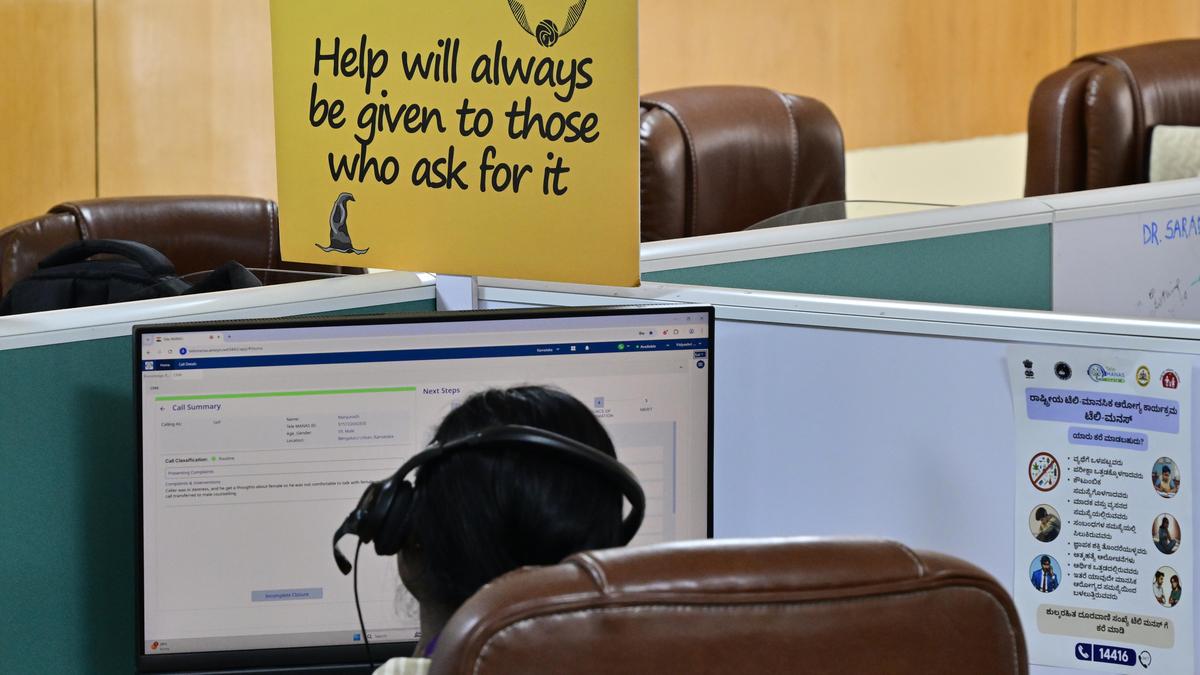
On April 1, 2026, Bengaluru launched a pilot program integrating the Tele-Manas mental health helpline (14416) with the Bengaluru City Police Emergency Response Support System (ERSS) Namma 112. This bi-directional integration aims to provide faster and more effective assistance to individuals experiencing mental distress. The system is designed around location-based routing, structured risk screening, and seamless escalation between counselling services and police intervention.
Key Points:
- The integration is a pilot initiative in Bengaluru.
- It involves Tele-Manas (14416) and Bengaluru’s Namma 112.
- The system focuses on location-based routing, risk screening, and bi-directional escalation.
- A filtering structure is in place to prevent indiscriminate diversion of calls.
- The National Institute of Mental Health and Neurosciences (NIMHANS) is a key partner.
Critical Analysis:
The integration of Tele-Manas with the ERSS reflects a growing recognition of the importance of mental health support within emergency response frameworks. The emphasis on structured risk screening and bi-directional escalation suggests a sophisticated approach to handling mental health crises, potentially reducing inappropriate police intervention and ensuring individuals receive the appropriate level of care. The mention of “emotional integration” in a related historical context further underscores the importance of holistic approaches to well-being.
Key Takeaways:
- The pilot program represents a significant step towards integrating mental health services with emergency response systems in India.
- The emphasis on location-based routing and risk screening aims to streamline the process of providing assistance.
- The bi-directional escalation mechanism allows for a more nuanced response, ensuring individuals receive the appropriate level of care.
- This initiative could serve as a model for other cities seeking to improve their mental health support services.
- The integration addresses the need for timely and appropriate response to mental health crises.
Impact Analysis:
The success of this pilot program could lead to its expansion across other cities in India, setting a precedent for integrating mental health support within emergency response systems nationwide. This initiative has the potential to significantly improve the response to mental health crises, reduce the burden on law enforcement, and promote better mental health outcomes for individuals in distress. The long-term impact could include reduced stigma surrounding mental health issues and increased access to mental health services for vulnerable populations.
 First Piper